International Polar Bear Day
Canada, United States, Norway, Russia, Greenland
About
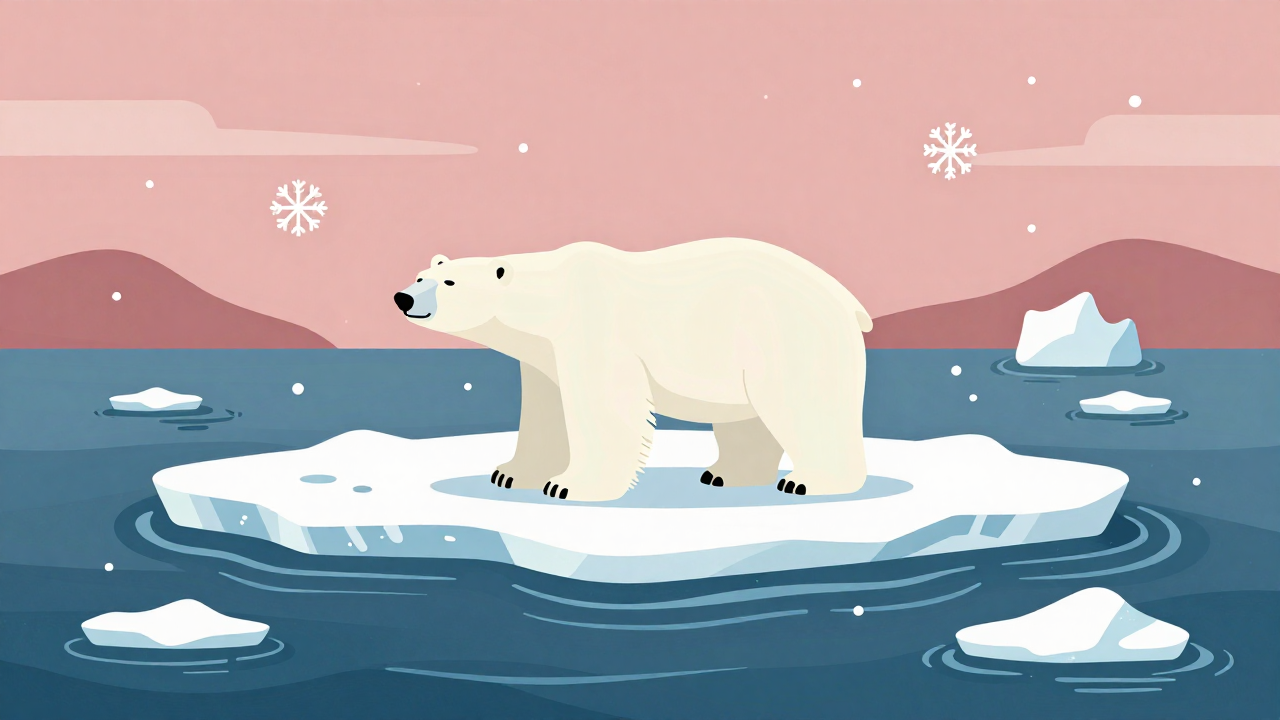
International Polar Bear Day, observed on February 27, is a special occasion dedicated to raising awareness about the majestic polar bear and the environmental challenges it faces. As the largest land carnivore, polar bears are iconic symbols of the Arctic, embodying the beauty and fragility of their icy habitats. This day encourages individuals around the globe to reflect on the impact of climate change, habitat loss, and pollution on these magnificent creatures and the delicate ecosystems they inhabit.
On this day, people are invited to engage in various activities that promote conservation efforts and educate themselves about the importance of protecting polar bears and their environments. From sharing information on social media to participating in local events, everyone can play a part in advocating for sustainable practices that contribute to the well-being of our planet. So, mark your calendars for February 27, and join the global community in honoring these incredible animals while taking steps to ensure their survival for generations to come!
History
International Polar Bear Day, observed annually on February 27, was established to raise awareness about the conservation of polar bears and their habitats. The observance was initiated by the nonprofit organization Polar Bears International (PBI) in 2011. The choice of date was symbolic, as it falls during the peak of the polar bear's denning season when pregnant females are giving birth and nursing their cubs in the Arctic. This time of year highlights the critical need to protect not only the bears but also their icy environments that are threatened by climate change and melting sea ice.
Over the years, International Polar Bear Day has evolved from a focused awareness campaign into a broader movement advocating for climate action and wildlife conservation. The day encourages individuals, communities, and organizations to engage in activities that support polar bear conservation, such as educational programs, fundraising events, and community outreach initiatives. Social media campaigns have also become a significant part of the celebration, allowing people worldwide to share information and personal stories related to polar bear conservation, thus expanding the reach and impact of the observance.
Culturally, International Polar Bear Day holds significant importance as it brings attention to the plight of these magnificent creatures, which are often seen as symbols of the effects of climate change. Various cultural groups, especially those in Arctic regions, have long revered polar bears, recognizing their role in the ecosystem and the traditional ways of life that depend on them. The day serves to highlight indigenous knowledge and practices in relation to wildlife conservation, promoting a deeper understanding of the interconnectedness between human cultures and the natural world.
As awareness of climate change and its effects continues to grow, International Polar Bear Day serves as a crucial reminder of the urgent need for action. Observed on February 27, this day not only spotlights the challenges facing polar bears but also encourages collective efforts to mitigate climate change and preserve the natural habitats that support a diverse range of wildlife. The observance invites everyone to reflect on their environmental impact and inspires hope for the future of polar bears and their ecosystems.