Dominican Republic Independence Day
Dominican Republic
About
Dominican Republic Independence Day, celebrated on February 27, is a vibrant and significant occasion that marks the country's declaration of independence from Haitian rule in 1844. This day is a heartfelt celebration of national pride, resilience, and the spirit of freedom that defines the Dominican Republic. Communities across the nation come alive with colorful parades, traditional music, and lively dances, showcasing the rich cultural heritage that has developed over centuries.
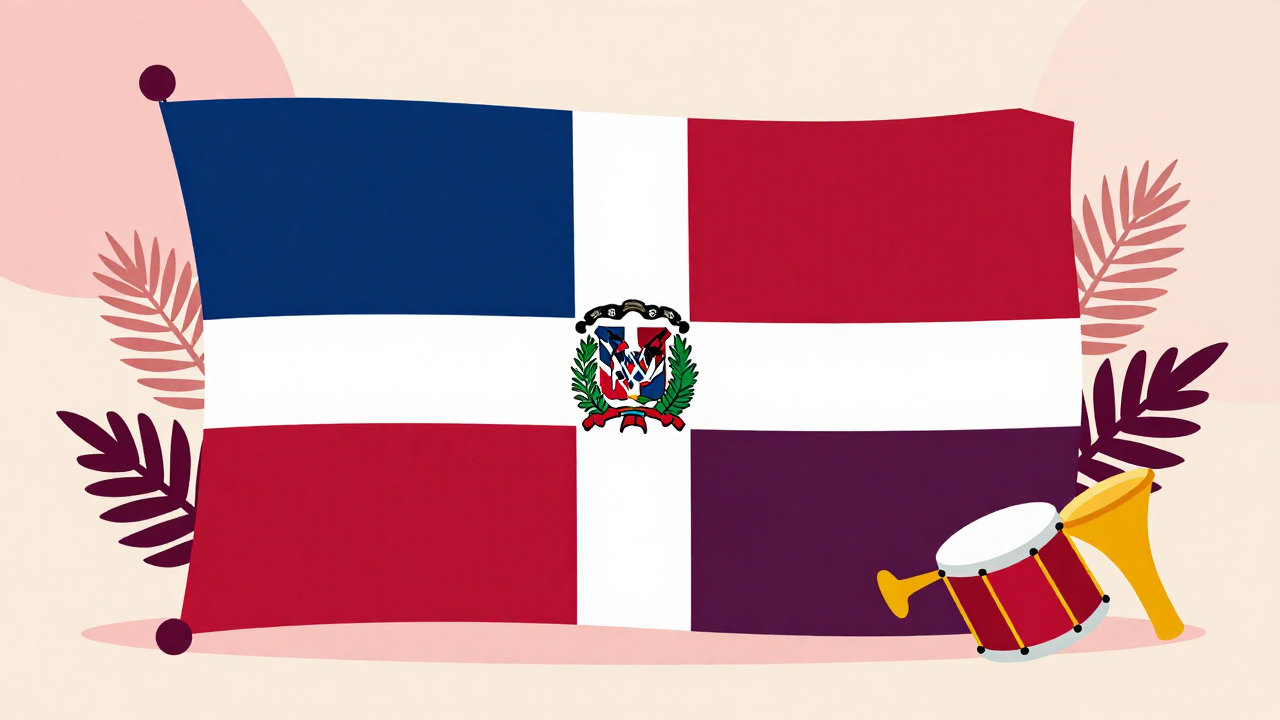
As families and friends gather to honor their history, the day is also an opportunity to reflect on the sacrifices made by the founding fathers, such as Juan Pablo Duarte and Juan Isidro Pérez, who fought for the nation's sovereignty. Festivities often include the sharing of traditional foods, such as sancocho and mangu, and the display of the Dominican flag, symbolizing unity and patriotism. February 27 is not just a day of remembrance; it’s a joyous celebration that brings people together, reinforcing the bonds of community and the love for their homeland.
History
Dominican Republic Independence Day, celebrated on February 27, commemorates the country's declaration of independence from Haitian rule in 1844. The roots of this observance can be traced back to the early 19th century when the Dominican Republic was part of Haiti following the latter's successful revolution against French colonial rule. The Dominicans, however, grew increasingly discontented with Haitian control, particularly under the presidency of Jean-Pierre Boyer, whose administration imposed heavy taxes and centralized governance that marginalized Dominican interests. The desire for autonomy culminated in a rebellion led by key figures such as Juan Pablo Duarte, who is often regarded as the father of Dominican independence.
The struggle for independence was marked by significant events, including the night of February 27, 1844, when a group of patriots, inspired by Duarte's vision, took up arms and successfully liberated Santo Domingo. The movement was characterized by a mixture of nationalistic fervor and the aspiration for self-governance, which resonated deeply with the Dominican people. The initial victory was a pivotal moment in the nation’s history, as it not only established the Dominican Republic as an independent nation but also fostered a strong sense of national identity that remains prominent to this day.
Over the years, Dominican Republic Independence Day has evolved into a significant national holiday, celebrated with parades, cultural performances, and various patriotic activities. The observance is not just a commemoration of historical events; it serves as a reminder of the enduring values of freedom and self-determination. Schools often hold educational events, and citizens engage in discussions about national pride and the sacrifices made by the founding fathers. The day is marked by the display of the national flag and the singing of the national anthem, fostering a sense of unity among Dominicans, both at home and abroad.
Culturally, Independence Day has become a platform for the expression of Dominican heritage, showcasing traditional music, dance, and food that reflect the diverse influences that shape the nation. This celebration not only honors the past but also reinforces the collective identity of the Dominican people as they continue to build a future rooted in the principles of liberty and justice. As such, February 27 stands as a powerful reminder of the resilience of the Dominican spirit and the ongoing commitment to uphold the values that define their nation.