International Martisor
Romania, Moldova, Bulgaria, Greece, Albania
About
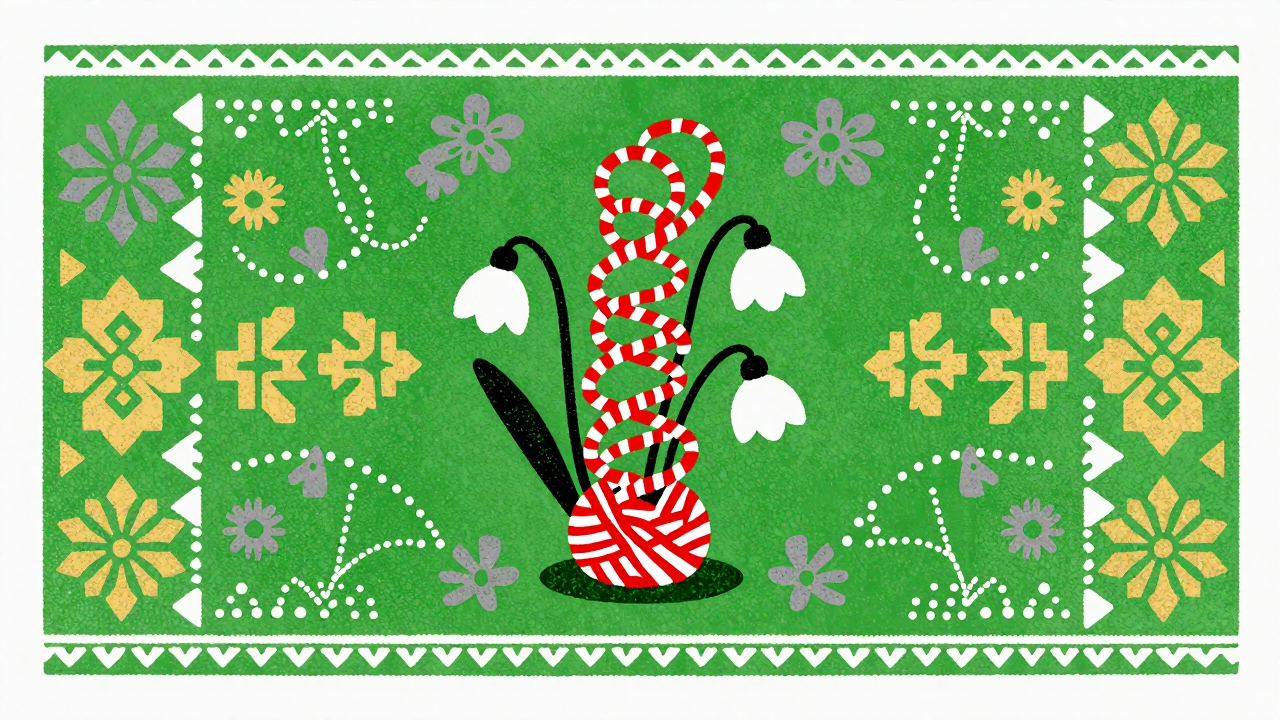
International Martisor, celebrated on March 1, is a delightful observance that marks the arrival of spring and the renewal of life. Originating from the beautiful landscapes of Romania and Moldova, this charming tradition involves the exchange of red and white yarn tied together in a small decorative charm called a "martisor." The colors symbolize the duality of life—the red representing vitality and passion, while the white signifies purity and peace. As people exchange these tokens, they are not only welcoming the warmer days ahead but also expressing good wishes for health and happiness in the coming year.
This heartwarming celebration is steeped in folklore, with many stories that highlight the significance of the martisor. It is believed that wearing this symbol throughout March brings protection and good fortune, as well as a connection to nature’s rebirth. Communities come alive with festivities, and people of all ages participate in this wonderful exchange, reinforcing bonds of friendship and family. On March 1, as the first day of spring draws near, the spirit of International Martisor brings joy and hope, reminding us that with each season comes new beginnings and cherished connections.
History
International Martisor is celebrated annually on March 1, marking the arrival of spring and honoring a traditional custom deeply rooted in Romanian and Moldovan culture. The word "Martisor" derives from "Martie," the Romanian word for March, and is associated with the rebirth of nature and the renewal of life after winter. The custom involves exchanging small tokens, often made of red and white threads, symbolizing the interconnection of life and the cycle of seasons. Traditionally, these threads are tied in a knot, representing the bond between the giver and the recipient, and are often worn as a pendant throughout March.
The origins of Martisor can be traced back to ancient Dacian and Roman traditions, where the red and white colors were believed to symbolize the duality of life and the balance between good and evil. The celebration of Martisor has evolved through the centuries, absorbing influences from various cultures and historical events. In the 20th century, it began to gain prominence not only in Romania and Moldova but also among diaspora communities worldwide, leading to its recognition as International Martisor. This transition reflects a growing appreciation for cultural heritage and the importance of preserving traditions in a globalized world.
As the observance of International Martisor has evolved, it has also gained cultural significance beyond its folkloric roots. It serves as a reminder of the values of friendship, love, and the interconnectedness of human experiences. The act of giving and receiving Martisor tokens fosters social cohesion and strengthens bonds among individuals, families, and communities. Today, the celebration is marked not only by the exchange of Martisor tokens but also by various cultural activities, such as folk music performances and art exhibitions, that celebrate the richness of springtime and the joy of renewal.
March 1 has become a day of cultural pride and unity, inviting people from different backgrounds to partake in the spirit of Martisor. By embracing this tradition, individuals contribute to the preservation of a cultural legacy that transcends borders, while also celebrating the arrival of spring and the promise of new beginnings. This observance exemplifies the importance of maintaining cultural identities in a modern world, making International Martisor a cherished occasion for many.