International Holocaust Remembrance Day
United States, Canada, United Kingdom, Germany, France, Israel, Australia, Italy, Netherlands, Sweden
About
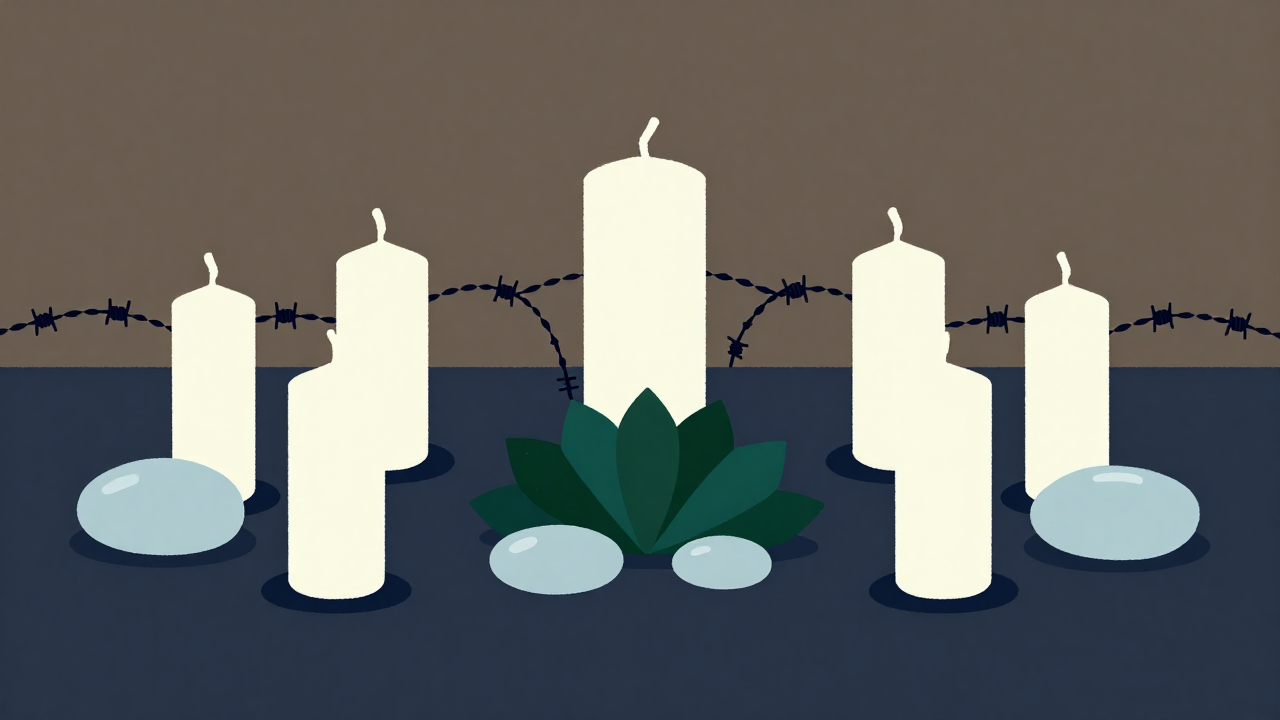
International Holocaust Remembrance Day, observed on January 27, serves as a poignant reminder of the atrocities and profound losses experienced during the Holocaust. This day was established to honor the memory of the six million Jewish individuals who perished, alongside countless others who suffered at the hands of the Nazi regime. It invites people around the world to reflect on the importance of tolerance, understanding, and respect for all communities.
On this day, communities and organizations come together to promote education about the Holocaust and its lessons, ensuring that such horrors are not forgotten. Ceremonies, discussions, and various remembrance activities are held, fostering a spirit of unity and reflection. By commemorating the resilience of survivors and the legacy of those who were lost, International Holocaust Remembrance Day encourages us to stand against hatred and discrimination in all its forms. As we observe this important day each January 27, let us commit to building a future rooted in compassion and awareness.
History
International Holocaust Remembrance Day is observed annually on January 27, a date that holds profound significance as it marks the anniversary of the liberation of Auschwitz-Birkenau, the largest Nazi concentration and extermination camp, in 1945. Established by the United Nations General Assembly in 2005, this observance emerged from a growing recognition of the need to honor the memory of the six million Jews and millions of others who perished in the Holocaust. The decision to designate a specific day was influenced by numerous Holocaust remembrance initiatives, which highlighted the importance of education, awareness, and the prevention of future genocides.
The origins of International Holocaust Remembrance Day can be traced back to various national commemorations and memorials that had already been established in several countries, particularly in Israel, where Yom HaShoah, or Holocaust Remembrance Day, has been observed since 1953. The global recognition of January 27 was formalized as part of a broader effort to instill a collective memory of the Holocaust, ensuring that the atrocities committed during World War II are neither forgotten nor repeated. The United Nations sought to foster a culture of tolerance and respect for human rights, using this day as a platform for education and dialogue about the dangers of hatred, discrimination, and racism.
Over the years, International Holocaust Remembrance Day has evolved to include a variety of commemorative events and educational programs across the globe. Governments, educational institutions, and organizations dedicated to human rights use this day to promote awareness of the Holocaust and its lessons. Public ceremonies, lectures, film screenings, and art exhibits are just a few of the activities that take place to engage individuals and communities in reflection and remembrance. The day serves as a reminder of the resilience of Holocaust survivors and the importance of their testimonies in combating antisemitism and other forms of intolerance.
Culturally, International Holocaust Remembrance Day plays an essential role in fostering understanding and dialogue about the Holocaust's impact on contemporary society. It provides an opportunity for individuals to confront the legacies of hatred and to commit to a future where such atrocities are prevented. The observance encourages people to reflect on the moral responsibilities of individuals and societies to stand against injustice, making it not only a day of remembrance but also a call to action against bigotry and violence. As January 27 approaches each year, communities around the world engage in collective reflection, ensuring that the lessons of the Holocaust continue to resonate in our shared history and consciousness.