Holocaust Memorial Day
Israel, United States, Germany, United Kingdom, France, Canada, Australia, Poland, Austria, Hungary
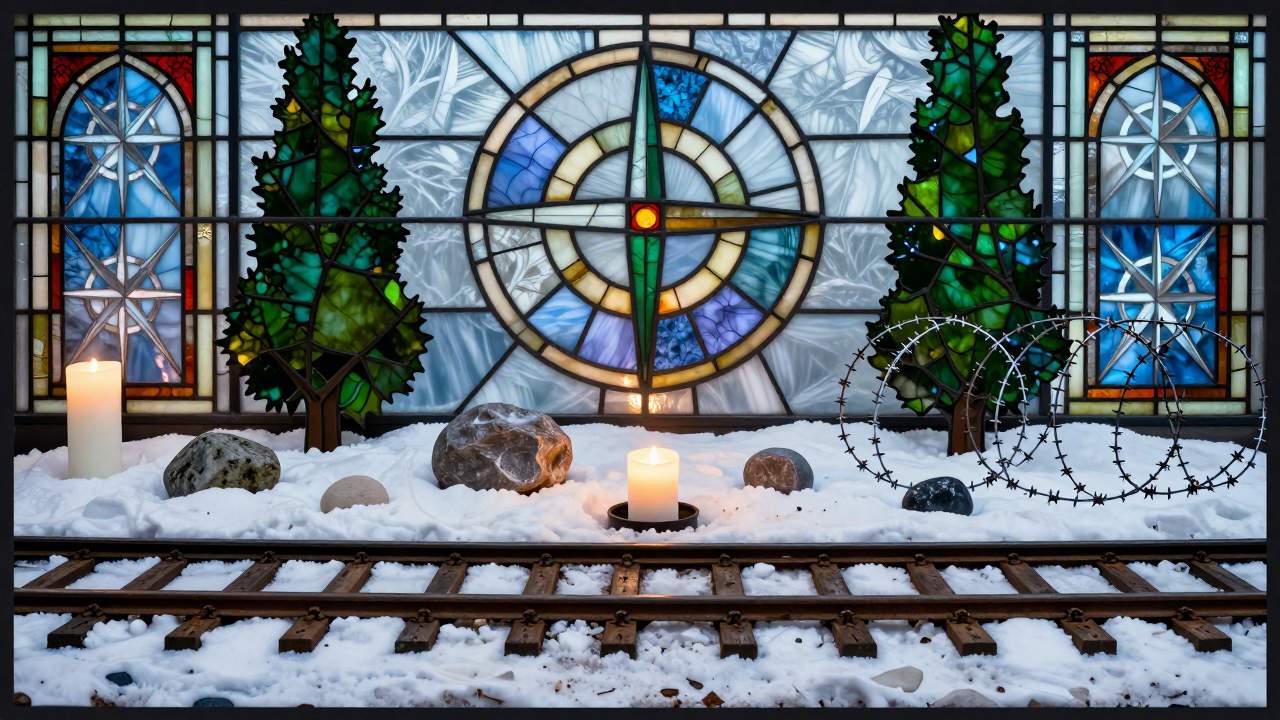
About
Holocaust Memorial Day, observed annually on January 27, serves as a poignant reminder of the atrocities that occurred during the Holocaust and encourages reflection on the resilience of the human spirit. This day marks the anniversary of the liberation of Auschwitz-Birkenau, the largest Nazi concentration and extermination camp, in 1945. It is a time for people around the world to come together in remembrance of the six million Jews, along with countless others, who lost their lives during this dark chapter of history.
On this day, individuals and communities engage in various activities to honor the memory of the victims and to educate future generations about the importance of tolerance, compassion, and understanding. Memorial services, educational programs, and moments of silence are common, allowing people to reflect on the consequences of hatred and discrimination. Holocaust Memorial Day not only commemorates those who suffered, but also serves as a powerful reminder to stand against prejudice and to promote peace and unity in our diverse world.
History
Holocaust Memorial Day, observed annually on January 27, serves as a poignant reminder of the atrocities committed during the Holocaust, when six million Jews and millions of others were systematically murdered by the Nazi regime and its collaborators during World War II. The date of January 27 holds significant historical importance, as it marks the anniversary of the liberation of Auschwitz-Birkenau in 1945, one of the largest and most notorious concentration camps. The observance of this day began in the aftermath of World War II, as a part of a broader effort to commemorate the victims of the Holocaust and to educate future generations about the consequences of hatred and intolerance.
The formal establishment of Holocaust Memorial Day was significantly influenced by the United Nations, which designated 2000 as the year to commemorate the Holocaust. This initiative aimed to promote awareness, understanding, and remembrance of the Holocaust, leading to the first official observance of Holocaust Memorial Day on January 27, 2001, in the United Kingdom. Since then, many countries have adopted similar days of remembrance, aligning with the UN's call to honor the victims and to encourage dialogues about human rights and social justice.
Over the years, Holocaust Memorial Day has evolved into a global observance that transcends cultural and national boundaries. It serves to honor not only the victims of the Holocaust but also the resilience of survivors and the importance of standing against anti-Semitism, racism, and discrimination in all forms. Commemorative events, educational programs, and community gatherings take place worldwide, allowing individuals to reflect on the lessons of the Holocaust and the ongoing need for vigilance against hate.
Culturally, Holocaust Memorial Day has significant meaning as it fosters a collective memory that connects people to a shared history of suffering and survival. It encourages discussions about moral responsibility, empathy, and the importance of remembrance. Through various forms of media, including literature, art, and film, the observance creates a platform for survivors to share their stories, ensuring that the experiences of those who suffered are not forgotten. As societies strive to learn from the past, Holocaust Memorial Day serves as a crucial reminder that vigilance and compassion are essential in preventing future atrocities.