International Day of Nowruz
Iran, Afghanistan, Azerbaijan, Kazakhstan, Kyrgyzstan, Tajikistan, Turkmenistan, Iraq, Turkey, India, Pakistan, Albania, North Macedonia, Kosovo
About
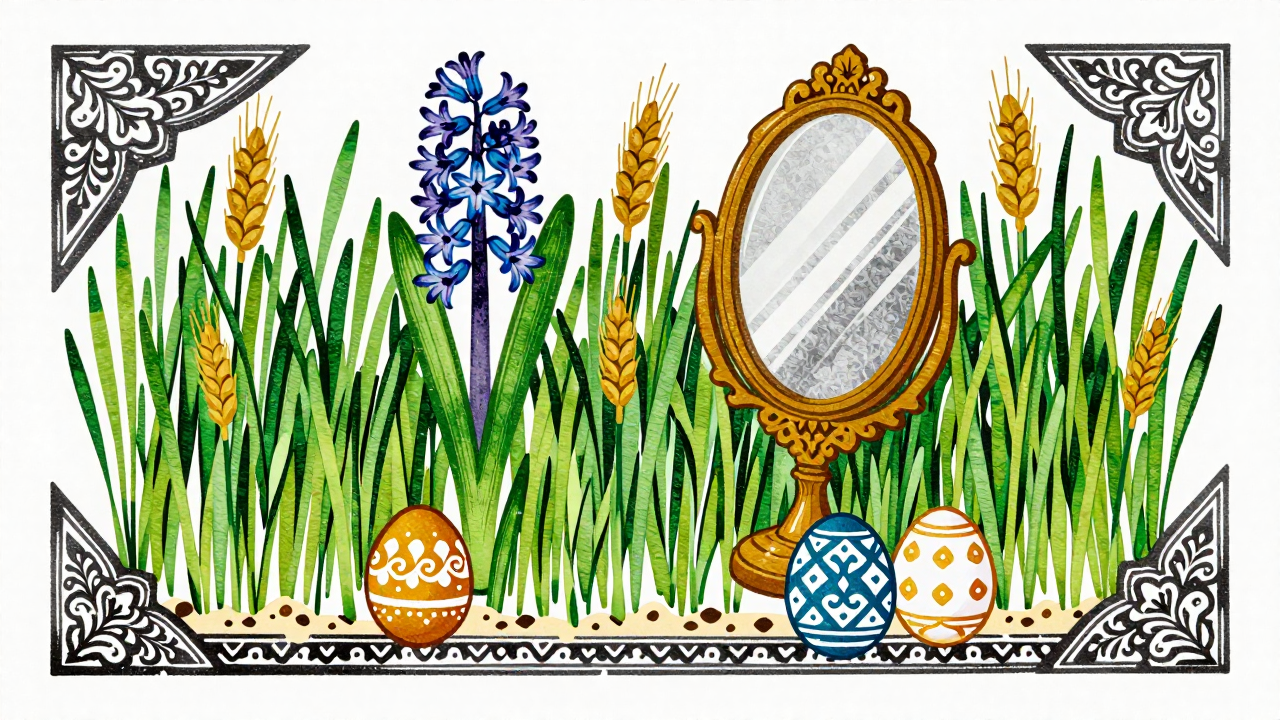
International Day of Nowruz, celebrated on March 21, marks the arrival of spring and the renewal of life. This vibrant observance has its roots in ancient Persian traditions and is embraced by millions around the world, signifying a time of rebirth, reflection, and joy. The word "Nowruz" translates to "new day," symbolizing the start of a new year in various cultures, particularly among those in Iran, Central Asia, and parts of the Middle East. As families gather to celebrate, they partake in customs such as setting the Haft-Seen table, which features seven symbolic items representing health, wealth, and prosperity.
The day is not just a time for festivities; it also emphasizes the importance of peace, unity, and cultural diversity. Communities engage in various activities, from traditional music and dance to feasting on delicious dishes that highlight the season's bounty. International Day of Nowruz serves as a reminder of the values of harmony and understanding among different cultures, encouraging individuals to come together and celebrate the richness of their heritage. As March 21 approaches, let's embrace the spirit of renewal and connection that Nowruz brings, honoring both our shared humanity and the beauty of our differences.
History
The International Day of Nowruz, celebrated annually on March 21, marks the arrival of spring and the beginning of the new year in various cultures, particularly those influenced by Persian traditions. Nowruz, which translates to "new day" in Persian, has roots that stretch back over 3,000 years to ancient Zoroastrianism, the pre-Islamic religion of the Persian Empire. It symbolizes the rejuvenation of nature, the triumph of light over darkness, and is associated with themes of renewal, hope, and the fostering of unity among people.
The observance of Nowruz has evolved significantly over the centuries. Initially, it was primarily a Zoroastrian festival celebrating the vernal equinox, which occurs around March 21. As the influence of Persian culture spread across various regions, Nowruz was embraced by different ethnic groups and incorporated into their own traditions. This inclusivity helped the holiday transcend religious and national boundaries, allowing it to be celebrated in countries such as Afghanistan, Azerbaijan, Central Asia, and parts of the Middle East. In 2010, the United Nations recognized March 21 as the International Day of Nowruz, further establishing its significance as a day of cultural heritage and peace.
Culturally, Nowruz is a time for various customs and rituals that promote community and family togetherness. Preparations often begin weeks in advance, with people cleaning their homes, purchasing new clothes, and preparing traditional dishes. A key element of the celebrations includes the Haft-Seen table, which features seven symbolic items starting with the Persian letter "S," each representing a different aspect of life and nature. The holiday is not only a celebration of the new year but also an opportunity for people to reflect on personal growth and to promote harmony and goodwill among diverse communities.
As Nowruz continues to be observed on March 21 each year, it serves as a vital reminder of cultural identity and resilience. The traditions associated with the holiday highlight the interconnectedness of various communities and the importance of celebrating diversity. In a world where cultural exchanges are increasingly significant, the International Day of Nowruz stands as a testament to the enduring legacy of ancient practices while promoting values of peace and cooperation among nations.