Independence Movement Day
South Korea
About
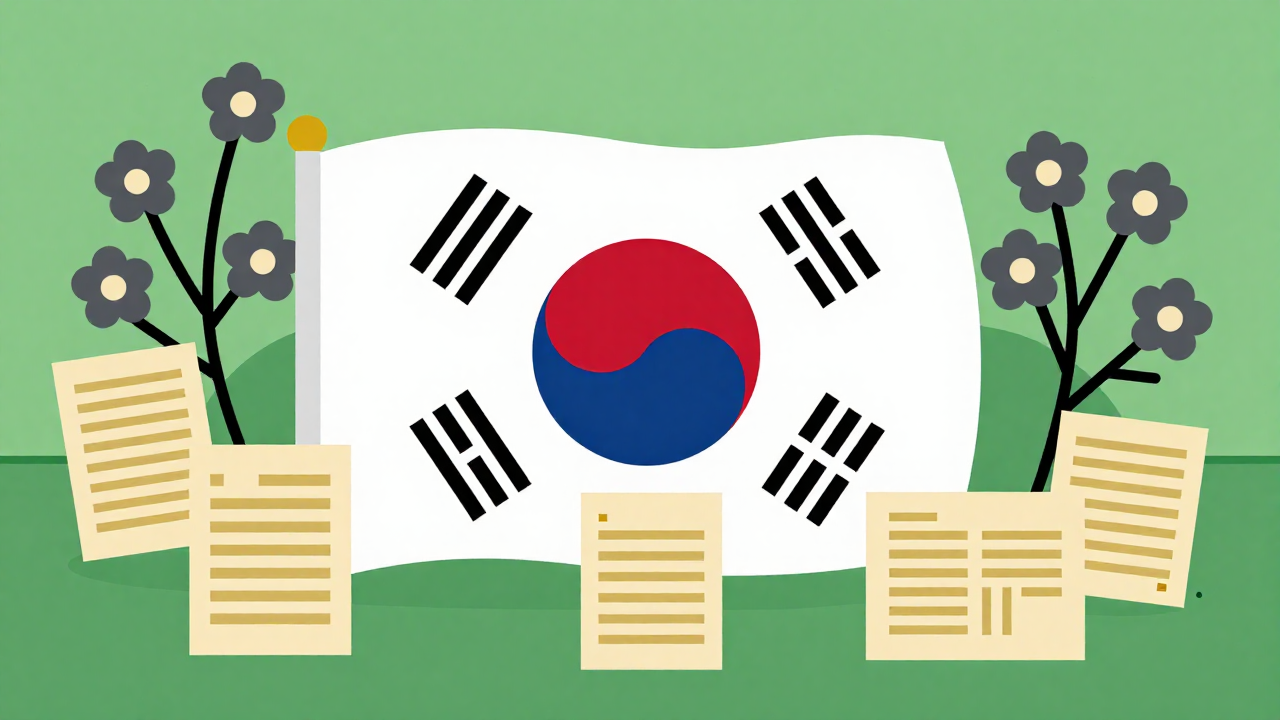
Independence Movement Day, celebrated on March 1, is a poignant observance that honors the courage and resilience of those who fought for Korea's independence from Japanese colonial rule. This day marks the anniversary of a pivotal event in Korean history—the March 1st Movement of 1919—when a wave of peaceful protests erupted, fueled by a desire for self-determination and national sovereignty. The movement not only galvanized the Korean people but also resonated with global sentiments for freedom and democracy, inspiring countless others to pursue their own paths to liberation.
On this meaningful day, people across Korea and around the world come together to reflect on the sacrifices made by their forebears and to celebrate the enduring spirit of independence. Ceremonies, educational programs, and cultural events are held, allowing communities to share stories of bravery and resilience. It serves as a reminder of the importance of standing up for one’s rights and the ongoing journey toward a just and free society. As we commemorate Independence Movement Day on March 1, we honor not only the past but also the present and future aspirations for peace and unity.
History
Independence Movement Day, observed on March 1, commemorates the pivotal role of the Korean independence movement against Japanese colonial rule in the early 20th century. The observance traces its roots back to the March 1st Movement in 1919, a significant uprising that ignited widespread protests across Korea. On that day, a group of Korean nationalists declared independence from Japan, inspired by the global wave of anti-colonial sentiments following World War I and the principles of self-determination advocated by President Woodrow Wilson. The movement sparked a series of demonstrations, gathering thousands of participants who sought to reclaim their national identity and sovereignty.
As the movement unfolded, the response from Japanese authorities was harsh and brutal. Thousands of protestors were arrested, and many lost their lives in the ensuing violence. Despite the repression, the March 1st Movement laid the groundwork for future resistance against colonial rule and fostered a strong sense of national unity among Koreans. The observance of Independence Movement Day began in 1949, shortly after Korea's liberation from Japanese occupation in 1945, as a means to honor those who sacrificed their lives for the nation’s independence and to remember the spirit of resistance that emerged during that tumultuous period.
Over the decades, Independence Movement Day has evolved into a national holiday celebrated in both South Korea and North Korea, reflecting its enduring significance in Korean history. In South Korea, the day is marked by various ceremonies, including the reading of the Declaration of Independence, military parades, and cultural performances that showcase the nation’s heritage. It serves as a reminder of the struggles faced by previous generations and emphasizes the importance of democracy, freedom, and national pride. The day often inspires reflection on ongoing issues related to peace and reunification on the Korean Peninsula.
Culturally, Independence Movement Day has become a symbol of resilience and national consciousness. It promotes a sense of solidarity among Koreans and encourages younger generations to understand their history and the sacrifices made for their freedom. As South Korea continues to navigate its identity in a complex geopolitical landscape, the observance serves as a vital reminder of the importance of independence and self-determination, echoing the aspirations of the many who fought for a free Korea on that historic March 1st in 1919.