I Hate Coriander Day
About
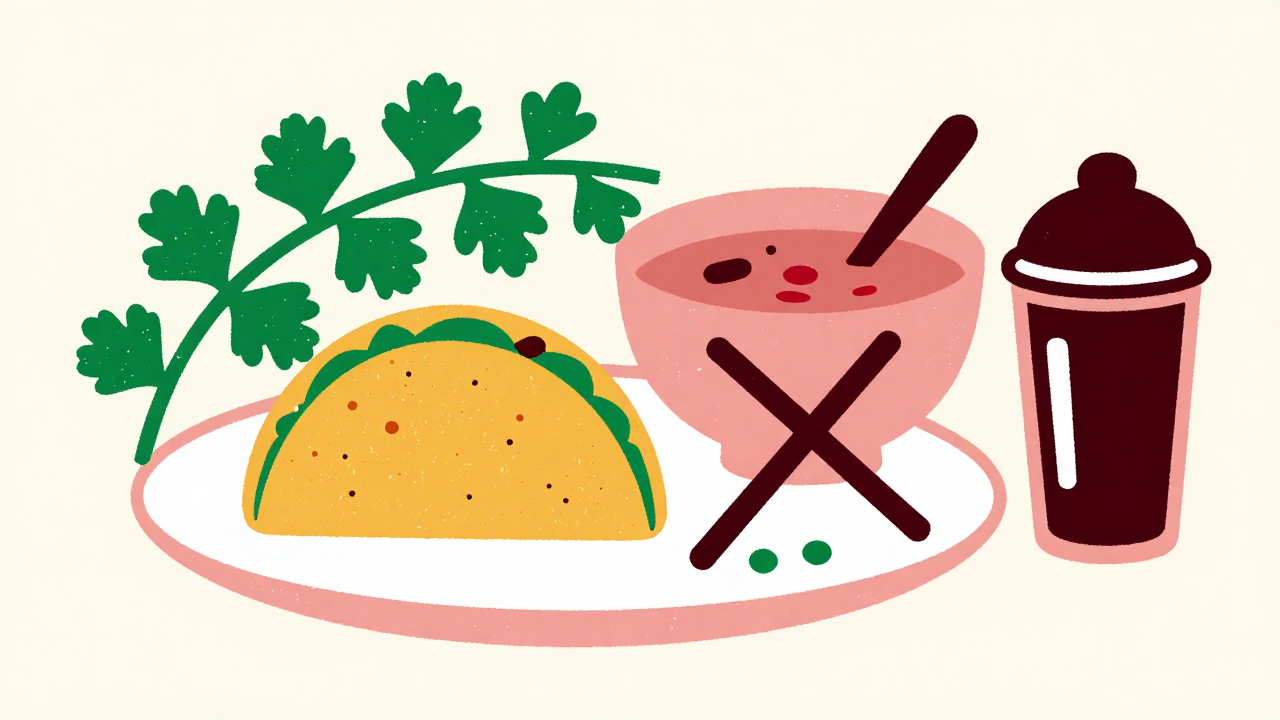
I Hate Coriander Day, celebrated on February 24, is a lighthearted observance that resonates with many food lovers around the globe. For those who find themselves passionately opposed to the distinct flavor of coriander, this day offers a chance to bond over shared culinary aversions. The herb, also known as cilantro, has a polarizing taste that either delights or disgusts, often sparking lively debates among friends and family. On this day, individuals are encouraged to express their dislike for coriander and share their personal stories of culinary encounters gone awry.
While it may seem whimsical, I Hate Coriander Day serves as a reminder of the diverse palates that exist within the world of food. It's a fun opportunity to explore alternative herbs and spices that can enhance our meals without the contentious taste of coriander. So gather with fellow coriander haters, swap recipes that celebrate flavors you love, or even host a dinner party featuring dishes that steer clear of this divisive herb. Whether you’re a fervent opponent or simply enjoy the camaraderie of shared preferences, February 24 is the perfect day to embrace your culinary choices and enjoy the flavors that make your taste buds sing!
History
"I Hate Coriander Day" is observed annually on February 24, celebrating the strong opinions many people have regarding the herb coriander, also known as cilantro in some regions. The observance provides an opportunity for those who dislike the herb—often citing its soapy flavor—to express their sentiments and connect with others who share similar tastes. The holiday, while relatively modern, has roots in the broader cultural discussions about food preferences and the divisive nature of certain ingredients in culinary traditions.
The origins of "I Hate Coriander Day" can be traced back to the growing recognition of food preferences as a legitimate topic of conversation and social interaction. As culinary diversity expanded in the late 20th and early 21st centuries, so did the debates surrounding various ingredients. Coriander, in particular, became a focal point for both culinary enthusiasts and critics. The herb’s distinct flavor profile, which some people find appealing while others detest, sparked a widespread dialogue about taste and personal preference. The day was likely established as a lighthearted way for individuals to voice their aversion to coriander and to bond over shared culinary dislikes.
Over time, "I Hate Coriander Day" has evolved into a quirky celebration that embraces individuality in taste. Social media platforms have played a significant role in amplifying this observance, with many people sharing memes, jokes, and personal anecdotes about their experiences with coriander. This online engagement has helped to foster a sense of community among those who share a dislike for the herb, turning what could be a solitary sentiment into a collective celebration. The day encourages people to embrace their food preferences without judgment and to engage in playful banter about culinary tastes.
Culturally, the significance of "I Hate Coriander Day" lies in its reflection of broader food trends and discussions about flavor, identity, and the subjective nature of taste. In many cultures, food is not just sustenance; it is intertwined with tradition, memory, and personal history. By setting aside a day to express distaste for a specific ingredient, individuals are able to delve into conversations about their culinary backgrounds and preferences. The observance also highlights the reality that food can elicit strong emotional responses, making it an essential aspect of social bonding and cultural identity.
In summary, "I Hate Coriander Day," observed on February 24, serves as a light-hearted acknowledgment of the strong feelings people can have toward certain flavors. Its origins stem from the increasing appreciation for diverse culinary experiences and the personal nature of food preferences, while its evolution illustrates the power of social media in shaping modern celebrations. Ultimately, the observance underscores the importance of embracing individual tastes and the communal aspects of food culture.