Estonia Independence Day
Estonia
About
Estonia Independence Day, celebrated on February 24, is a momentous occasion that marks the declaration of independence from Russia in 1918. This day holds profound significance for the Estonian people, as it represents their enduring spirit and commitment to sovereignty and self-determination. On this day, Estonians come together to honor their rich history, cultural heritage, and the sacrifices made by those who fought for their freedom.
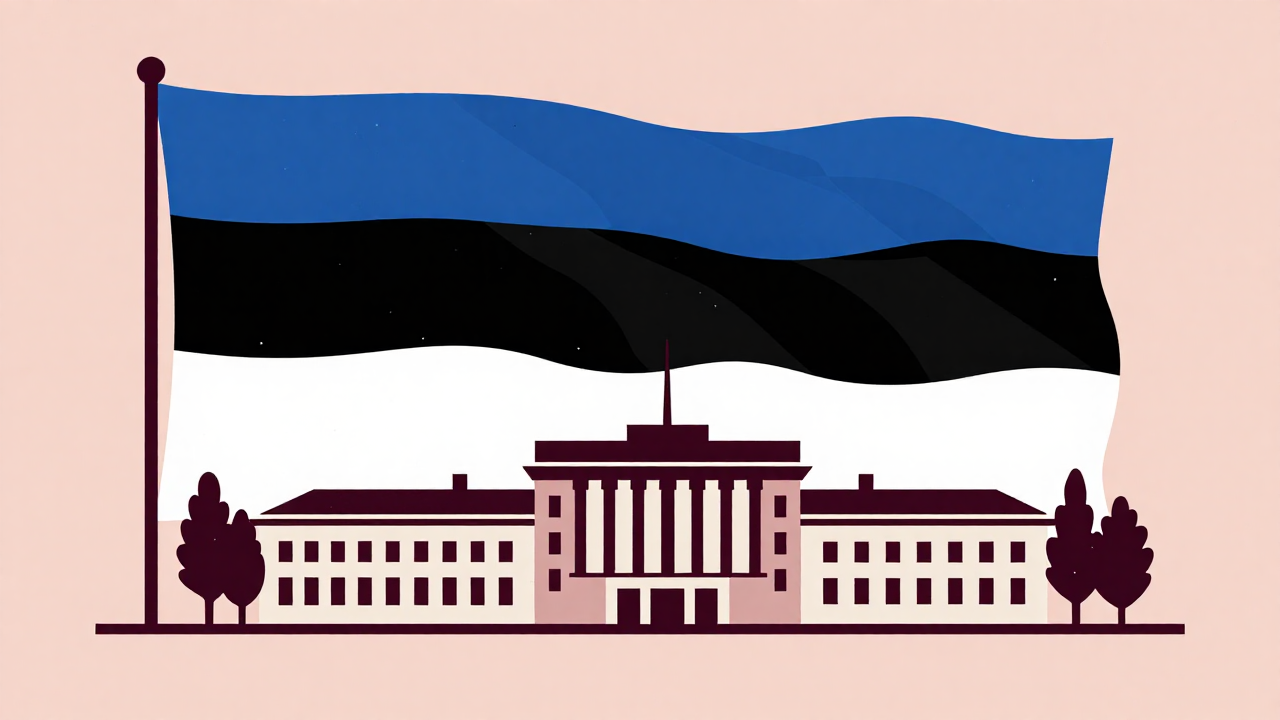
The festivities often include vibrant parades, heartfelt speeches, and various cultural performances that showcase the unique traditions of Estonia. Families gather to celebrate with traditional meals, and the streets are adorned with the blue, black, and white colors of the national flag. As the nation reflects on its journey towards independence, communities also take the time to look forward, embracing the future with hope and unity. Estonia Independence Day serves as a beautiful reminder of the resilience and pride that unites the Estonian people, making it a cherished celebration for all.
History
Estonia Independence Day, observed on February 24, commemorates the declaration of independence from Russia in 1918. The origins of this significant observance lie in the tumultuous events of World War I and the subsequent collapse of the Russian Empire. As the war progressed, various nationalist movements gained momentum across the Baltic states, including Estonia. On February 24, 1918, the Estonian Parliament, known as the Maapäev, proclaimed the country's independence, marking a pivotal moment in the nation’s quest for self-determination.
In the years following the declaration, Estonia faced numerous challenges, including the War of Independence, which lasted until 1920. Despite these difficulties, the observance of Independence Day began to take root in the national consciousness. The first official celebration occurred in 1920, coinciding with the signing of the Tartu Peace Treaty, which recognized Estonia’s sovereignty. However, the subsequent Soviet occupation from 1940 to 1941 and again from 1944 to 1991 suppressed public celebrations, as Estonia was forced into a period of repression. The observance was largely kept alive through underground movements and the resilience of Estonian culture.
With the restoration of independence in 1991, Estonia Independence Day underwent a revival, becoming a symbol of national pride and unity. The observance now features various activities, including military parades, official ceremonies, and cultural events that celebrate Estonian heritage. Schools and communities engage in educational programs that promote awareness of Estonia’s history and the significance of independence. The day serves as an opportunity for citizens to reflect on their national identity and the sacrifices made for freedom.
Today, Estonia Independence Day holds deep cultural significance, representing not only the historical struggle for independence but also the ongoing journey of the nation in the modern era. As Estonia has integrated into the European Union and NATO, the holiday has evolved into a celebration of democracy and global engagement. On February 24, the nation comes together to honor its past and look forward to a future built on the principles of liberty and self-governance, demonstrating the enduring spirit of the Estonian people.