Honen Matsuri
Japan
About
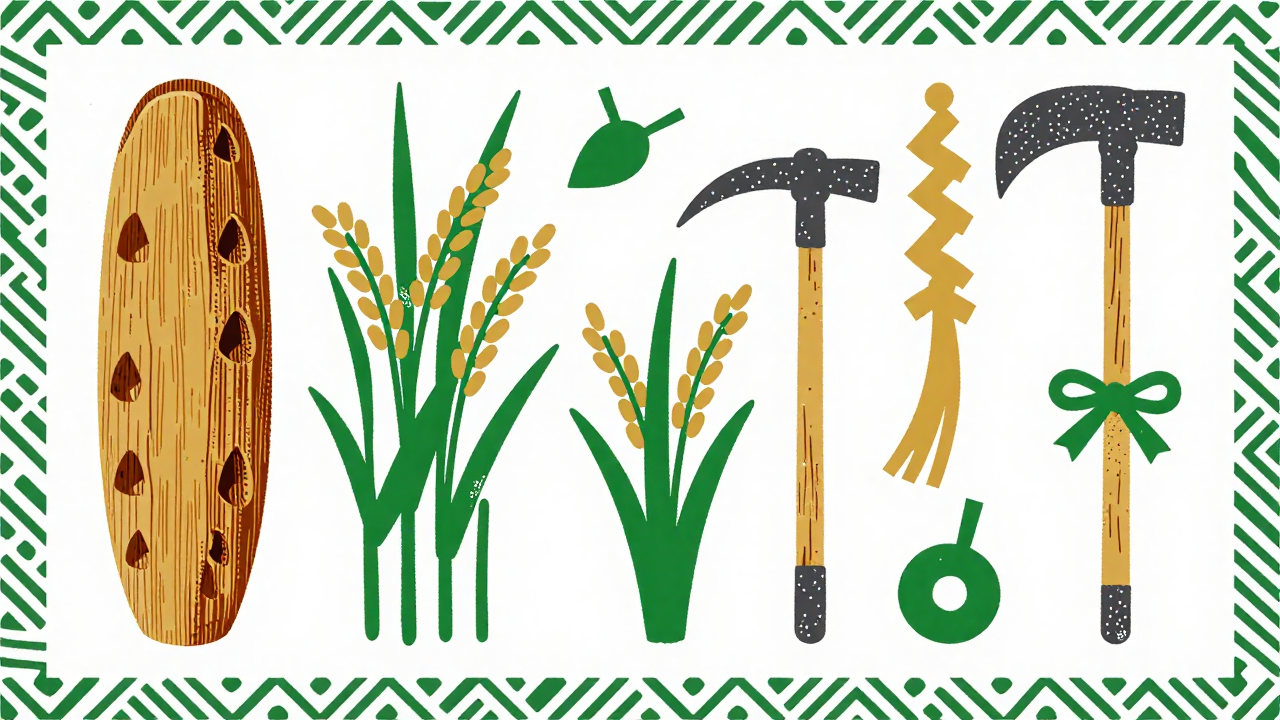
Honen Matsuri, celebrated annually on March 15, is a vibrant and joyous festival held in Japan that honors fertility, agriculture, and the blessings of a bountiful harvest. Taking place in various regions, with the most notable festivities occurring at the Tagata Shrine in Aichi Prefecture, this lively event features a colorful parade and various rituals designed to ensure a prosperous year ahead. The heart of Honen Matsuri is the impressive procession of a large, phallic-shaped wooden sculpture that symbolizes fertility and the abundance of crops, highlighting the deep-rooted connection between nature and human life.
As participants don traditional attire, the atmosphere is filled with laughter, music, and a sense of community. Visitors can partake in various activities, including tasting local delicacies and participating in traditional games, making it a delightful experience for attendees of all ages. Honen Matsuri is not just about celebrating fertility; it also serves as a reminder of the importance of nature and the agricultural roots that sustain communities. So, whether you're a local or a traveler, marking your calendar for March 15 to experience this unique festival promises a warm and enriching celebration of life and abundance.
History
Honen Matsuri, observed annually on March 15, is a vibrant and culturally significant festival celebrated primarily in Japan, particularly at the Hōnen Shrine in the city of Komaki, Aichi Prefecture. The origins of this unique observance can be traced back to the 17th century, specifically to 1700, when it was first held to honor the deity of agriculture, Inari, and to pray for a bountiful harvest. The festival is deeply rooted in agrarian traditions, reflecting the importance of fertility—both in crops and in human life—within Japanese culture.
Over the years, Honen Matsuri has evolved from its original agricultural focus to encompass broader themes of fertility and prosperity. The festival is known for its lively and colorful processions featuring large phallic symbols, which are paraded through the streets. These symbols serve as a representation of fertility and are believed to bring good fortune to those seeking to conceive or wishing for a successful harvest. The celebration includes various rituals, dances, and offerings, attracting both locals and tourists alike, who come to partake in the joyous atmosphere and to witness the unique customs.
Culturally, Honen Matsuri holds significant importance in Japanese society as it symbolizes the connection between humanity and nature. It underscores the community's reliance on agriculture and the reverence for life and fertility. The festival not only fosters a spirit of togetherness among participants but also serves as a reminder of the traditional values that have shaped Japanese rural life. Additionally, it creates an opportunity for individuals to express their hopes and desires, particularly regarding family and prosperity.
In contemporary times, Honen Matsuri stands as a vibrant celebration that has retained its traditional roots while also adapting to modern sensibilities. It continues to draw crowds, showcasing the rich tapestry of Japanese culture and its enduring connections to the past. Each year, on March 15, participants engage in this spirited celebration, ensuring that the essence of Honen Matsuri remains alive for future generations. Through its rituals and communal activities, the festival reinforces the significance of fertility, agriculture, and communal harmony in Japanese society.