Holika Dahana
India, Nepal, Mauritius, Fiji, Trinidad and Tobago
About
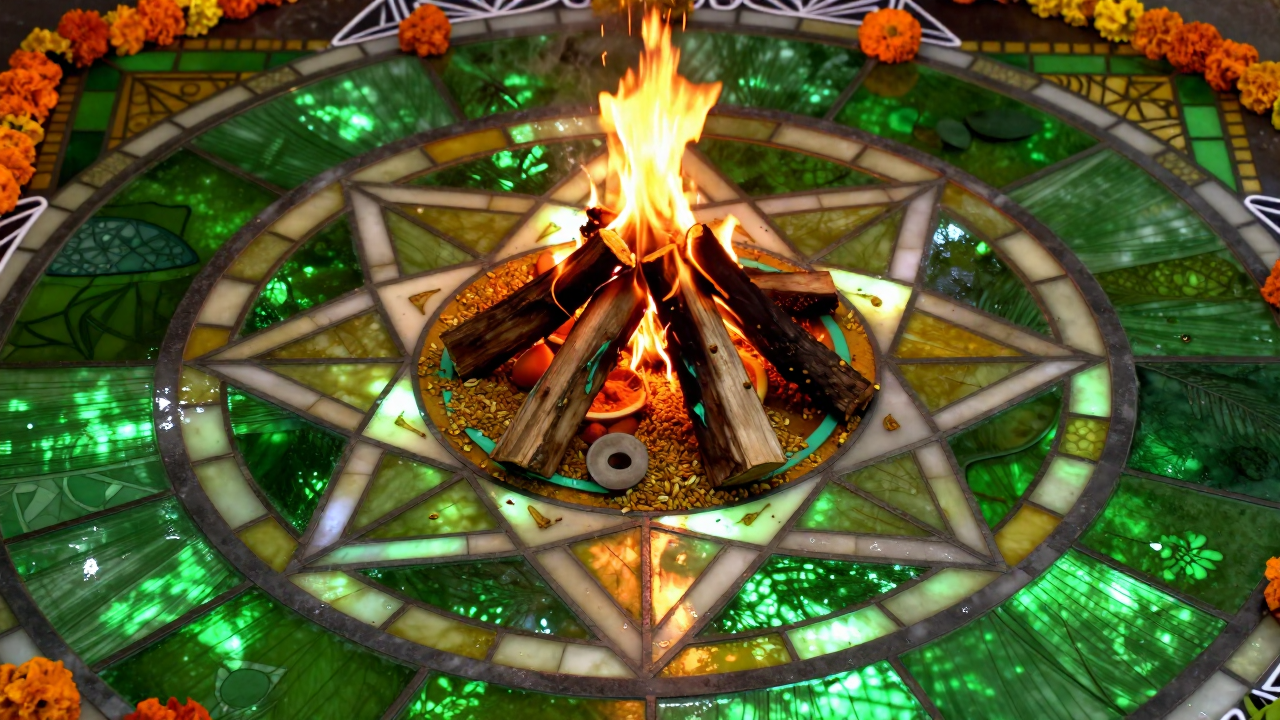
Holika Dahana, celebrated on March 21, marks a vibrant and joyous occasion in the Hindu calendar, heralding the arrival of spring and the triumph of good over evil. This festival is deeply rooted in mythology, particularly the tale of Prahlad and Holika. According to legend, Prahlad, a devoted follower of Lord Vishnu, was saved from the flames by divine intervention when he was tricked by his evil aunt, Holika, into a fire. The bonfire lit during Holika Dahana symbolizes the burning away of negativity and the celebration of faith and devotion.
As families and communities come together to light bonfires on this auspicious night, there is an atmosphere filled with warmth, love, and togetherness. People gather around the flames, singing and dancing, sharing stories and celebrating the spirit of renewal that spring brings. The following day, known as Holi, brings even more joy as participants engage in playful festivities with colors, water, and sweets—a true testament to the happiness and unity that Holika Dahana inspires. This enchanting festival not only offers a moment to reflect on the power of faith but also fosters connections among friends and family, making it a cherished observance in many parts of India and beyond.
History
Holika Dahana, celebrated on March 21, is a significant festival in Hindu culture marking the triumph of good over evil. Its origins are rooted in ancient Indian mythology, particularly the legend of Prahlad and his demonic aunt Holika. According to the myth, Prahlad was a devout follower of Lord Vishnu, which infuriated his father, King Hiranyakashipu, who sought to eliminate his son. Holika, who had a boon that made her immune to fire, was tasked with burning Prahlad alive. However, as the story goes, when Holika sat in the fire with Prahlad, she perished while he emerged unscathed, symbolizing the victory of devotion and righteousness over malevolence.
Over time, Holika Dahana has evolved into a vibrant celebration that precedes the festival of Holi, which is characterized by colorful festivities and communal joy. The night before Holi, bonfires are lit in various communities, signifying the burning of Holika and the eradication of evil. This act of lighting bonfires serves not only as a ritualistic observance but also as a communal gathering that strengthens social bonds, as families and friends come together to celebrate and partake in the festivities.
Culturally, Holika Dahana holds profound significance beyond its mythological roots. It marks the onset of spring, symbolizing renewal and the end of winter. The festival embodies themes of love, forgiveness, and the importance of community. People often gather around the bonfires to sing, dance, and share stories, fostering a sense of unity and joy. Additionally, the festival is an opportunity for reflection on the moral lessons imparted through the legend, reminding participants of the importance of faith and the victory of good over evil.
As Holika Dahana continues to be celebrated on March 21, it remains an integral part of the cultural tapestry in India and among Hindu communities worldwide. The observance not only honors ancient traditions but also adapts to contemporary practices, allowing for a rich experience that connects generations. Through its vibrant celebrations and profound themes, Holika Dahana serves as a reminder of the enduring power of faith and the communal spirit that unites people in the face of adversity.