

Awareness Week
Great British Pea Week
A week that starts on July 5 every year. Next: in 237 days
What it’s about
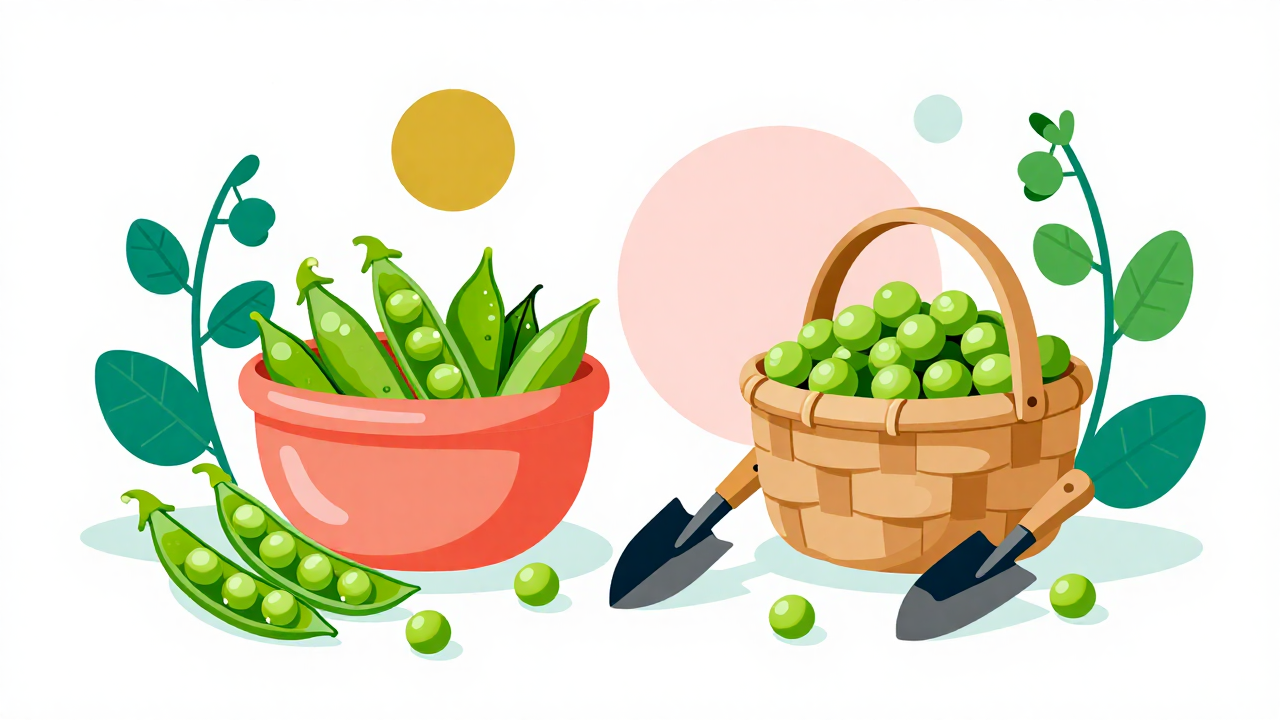
Great British Pea Week is a week-long celebration held during July, shining a spotlight on one of Britain’s much-loved seasonal vegetables. It celebrates the freshness, flavor, and versatility of British-grown peas, while recognizing the farmers, growers, and producers who help bring them from field to table.
During the week, people are encouraged to enjoy peas in all kinds of dishes, from classic side dishes and comforting meals to salads, soups, and creative new recipes. It’s also a wonderful opportunity to appreciate seasonal British produce, learn more about how peas are grown, and make the most of their naturally sweet taste while they are at their best.
A little history
Great British Pea Week is a British food observance held during a week in July, when the country’s fresh pea harvest is at its seasonal height. It was created to celebrate home-grown peas and to draw attention to the growers, seasonal workers, processors, and retailers involved in bringing them from British fields to consumers. Rather than commemorating a single historical event, the observance functions as an annual food-awareness campaign centered on one of Britain’s familiar summer crops.
Its origins lie in efforts by the British pea-growing industry to promote the quality and distinctiveness of locally grown peas. The campaign presents peas not simply as a frozen or processed vegetable, but as a crop with a short, carefully managed harvest season. British peas are harvested and processed rapidly so that their sweetness and freshness can be preserved, an aspect of production that Great British Pea Week helps explain to the public.
Over time, the week has developed beyond straightforward industry promotion. It has become an opportunity for supermarkets, food organizations, cooks, and households to share recipes and encourage people to use peas in both traditional and contemporary dishes. Familiar preparations such as peas served with fish, meat, or potatoes sit alongside salads, soups, purées, and other recipes that reflect changing British cooking habits.
The observance also has wider cultural significance. Peas are associated with British allotments, gardens, farm shops, school meals, and summer cooking, while the campaign highlights the importance of domestic agriculture and seasonal eating. By focusing attention on a crop that is often treated as an everyday ingredient, Great British Pea Week connects food culture with the rural landscape and the work required to produce it. Its annual July timing reinforces that connection, placing the celebration within the natural rhythm of the British growing and harvesting season.
Timeline
- 1753
Carl Linnaeus published "Species Plantarum," giving the garden pea its scientific name, Pisum sativum.
- 1865
Gregor Mendel presented the results of his pea-plant hybridization experiments to the Natural History Society of Brünn, outlining patterns of inheritance.
- 1866
Mendel's paper, "Experiments on Plant Hybridization," based on garden-pea crosses, was published and later became foundational to genetics.
- 1900
Hugo de Vries, Carl Correns, and Erich von Tschermak independently brought attention to Mendel's earlier pea-based inheritance findings.
Other weeks starting July 5
-
 National Childhood Obesity Week
Awareness
-
 National Transplant Week
Awareness
-
 Nude Recreation Week
Just for fun
More like this
 Just for fun
Adopt a Rescued Bird Month
January is a time for new beginnings, and what better way to embrace the spirit of renewal than by celebrating Adopt a Rescued Bird Month? This special observance shines a…
 Just for fun
Apple and Apricot Month
Apple and Apricot Month, celebrated on January 1, is a delightful homage to two of nature's most beloved fruits. As the New Year dawns, this month invites us to embrace the…
 Awareness
Apple Gifting Day
Apple Gifting Day, celebrated on January 1st, invites individuals and families to begin the new year with a sweet and wholesome tradition that symbolizes health, friendship, and…