Freedom Day (Portugal)
Portugal
About
Freedom Day (Portugal), celebrated on April 25, is a significant national holiday that marks the anniversary of the Carnation Revolution in 1974. This peaceful coup ended decades of dictatorship in Portugal, bringing about a new era of democracy and freedom. The day is a heartfelt tribute to the courage of those who fought for liberty, highlighting the power of nonviolent resistance and the importance of civic engagement in shaping a nation's future.
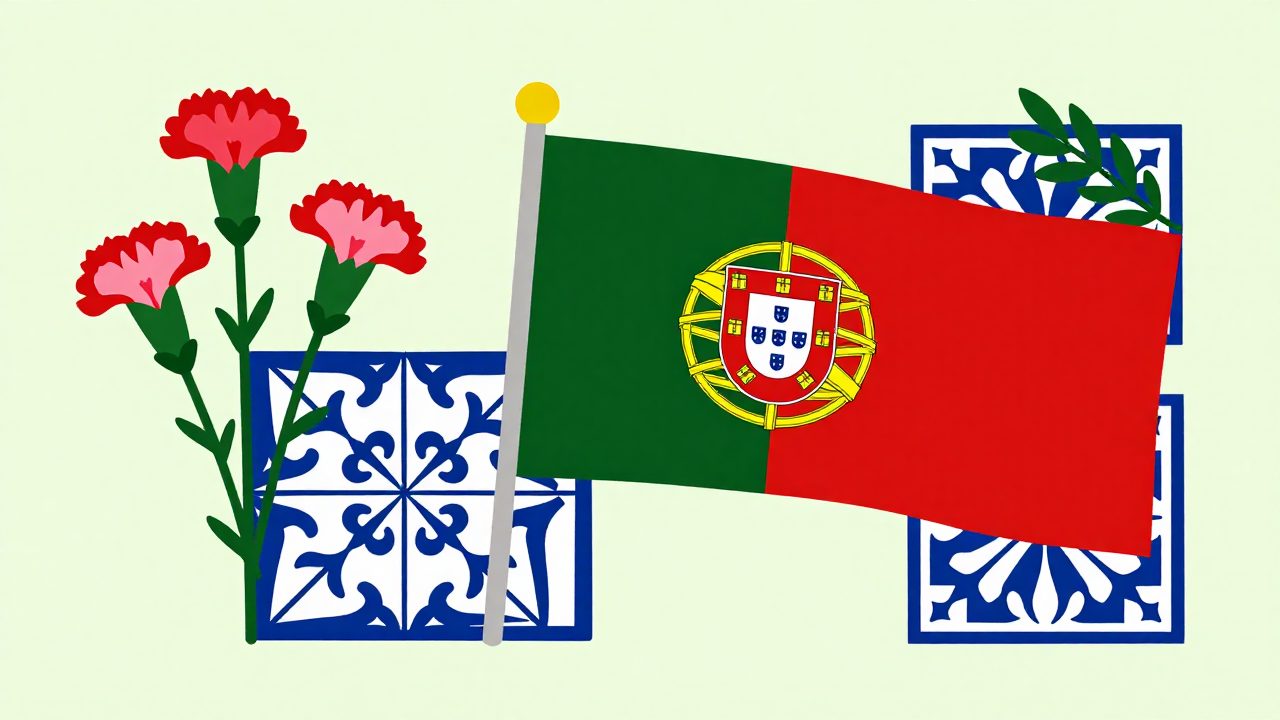
On this special day, Portuguese citizens come together to honor their history and the values of freedom and equality. Streets are filled with celebrations, including parades, music, and public speeches that reflect on the strides made since that pivotal moment in history. Traditional red carnations, symbolizing the revolution, are worn and gifted, reminding everyone of the hope and change that blossomed from the struggle for democracy. Freedom Day not only serves as a reminder of the past but also inspires future generations to cherish and safeguard the freedoms they enjoy today.
History
Freedom Day, known in Portugal as "Dia da Liberdade," is observed annually on April 25. This significant day commemorates the Carnation Revolution of 1974, a peaceful coup that effectively ended decades of authoritarian rule under the Estado Novo regime. The origins of Freedom Day trace back to a widespread discontent with political repression, censorship, and economic stagnation that characterized Portugal during the dictatorship. The revolution was initially sparked by a group of military officers, but it quickly gained popular support from civilians who yearned for democracy and freedom.
The events of April 25 began in the early hours when military forces took control of strategic locations in Lisbon, with little to no violence. A key symbol of the revolution was the carnation flower, which protesters placed in their gun barrels and wore as a symbol of peace. By the end of the day, the regime had collapsed, and a provisional government was established, setting the stage for the transition to democracy. This momentous occasion marked a significant shift in Portuguese history, as it opened the door to civil liberties, political pluralism, and eventual integration into the European community.
Over the years, Freedom Day has evolved into a national holiday that not only celebrates the end of dictatorship but also honors the values of democracy and human rights. Various commemorative events take place across the country, including parades, concerts, and political speeches, reflecting both a celebration of past achievements and a commitment to safeguarding these freedoms for future generations. The day serves as a reminder of the sacrifices made by those who fought for democracy and the importance of civic engagement and participation in the political process.
Culturally, Freedom Day has become an integral part of Portuguese identity, symbolizing resilience and the collective spirit of the Portuguese people. It also stands as an inspiration for movements advocating for democracy and social justice worldwide. As citizens reflect on their hard-won freedoms each April 25, the day encapsulates a shared history and a vision for a brighter, inclusive future, emphasizing the ongoing responsibility to protect and uphold democratic values.