East Meets West Day
Hong Kong, China, United States, Canada
About
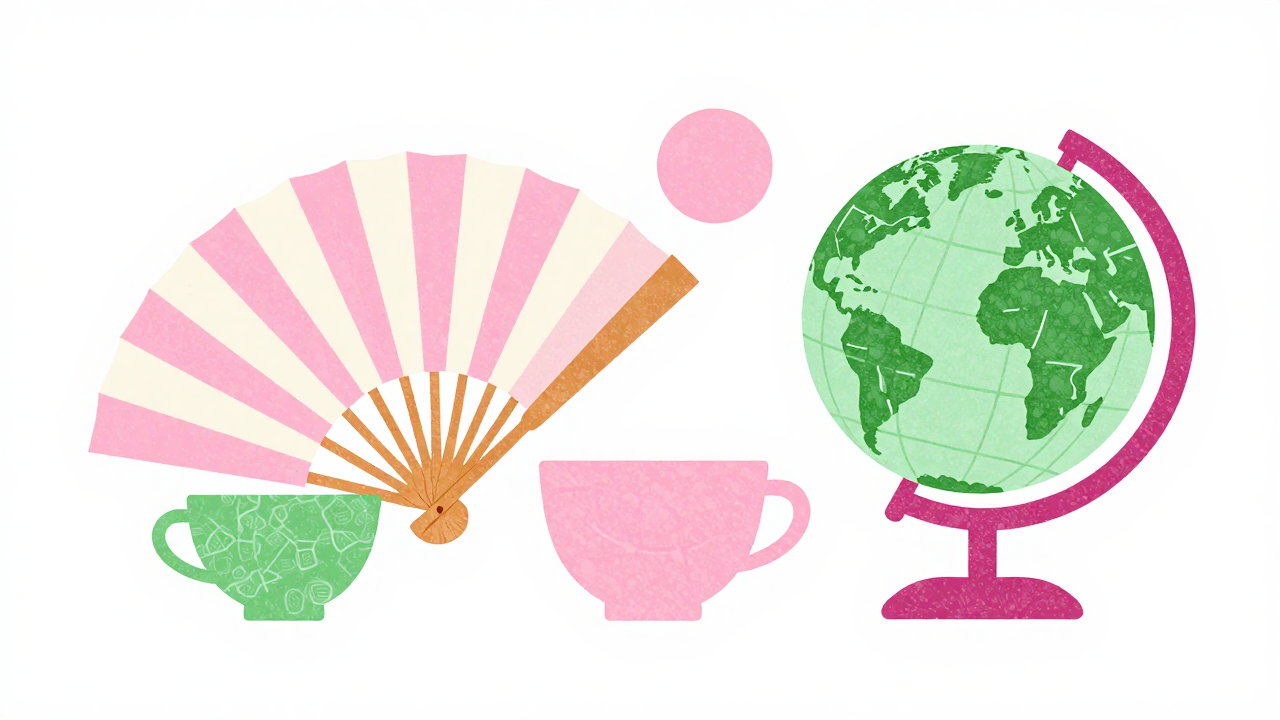
East Meets West Day, celebrated on April 25, is a vibrant observance that encourages the blending of cultures, ideas, and traditions from the Eastern and Western worlds. This day serves as a reminder of the rich tapestry created when diverse perspectives come together, fostering understanding and appreciation among different communities. It’s an opportunity for individuals to explore and celebrate the unique customs, cuisines, and art forms from both sides of the globe.
As people come together to mark East Meets West Day, they often engage in cultural exchanges, cooking traditional dishes, sharing stories, or participating in local events that highlight the beauty of diversity. Whether through art exhibitions, music performances, or culinary festivals, this day inspires a spirit of unity and collaboration. It invites everyone to reflect on how interconnected our world has become and to embrace the harmony that arises when different cultures meet. So, on April 25, take a moment to celebrate the fusion of East and West in your own life and experience the joy that comes from cultural exchange!
History
East Meets West Day, observed annually on April 25, serves as a celebration of the rich cultural exchanges between Eastern and Western societies. The origins of this observance can be traced back to the growing globalization and cultural interconnectivity that began to take shape in the late 20th century. As globalization facilitated the mingling of diverse traditions, philosophies, and practices, communities recognized the value of celebrating this fusion, leading to the establishment of East Meets West Day. The day serves as a reminder of the contributions and influences that different cultures have on one another.
As societies increasingly embraced multiculturalism, East Meets West Day evolved to highlight not only the artistic and culinary exchanges between East and West but also the sharing of ideas and values. Initially celebrated in small community gatherings, the observance has grown over the years to include larger events, educational workshops, and cultural festivals that showcase the unique traditions of both sides. These festivities often feature food tastings, art exhibits, and performances that reflect the richness of both Eastern and Western heritages, promoting understanding and appreciation among diverse populations.
Culturally, East Meets West Day holds significant importance as it emphasizes the interconnectedness of humanity. It serves as a platform for dialogue and learning, encouraging individuals to explore and engage with cultures that may differ from their own. By fostering this intercultural appreciation, the day aims to break down stereotypes and celebrate diversity, reinforcing the idea that cultural exchanges can lead to greater understanding and harmony in an increasingly global society. Observed on April 25, East Meets West Day continues to inspire individuals and communities to embrace and celebrate the beauty of their differences while acknowledging their shared humanity.