Falles
Spain
About
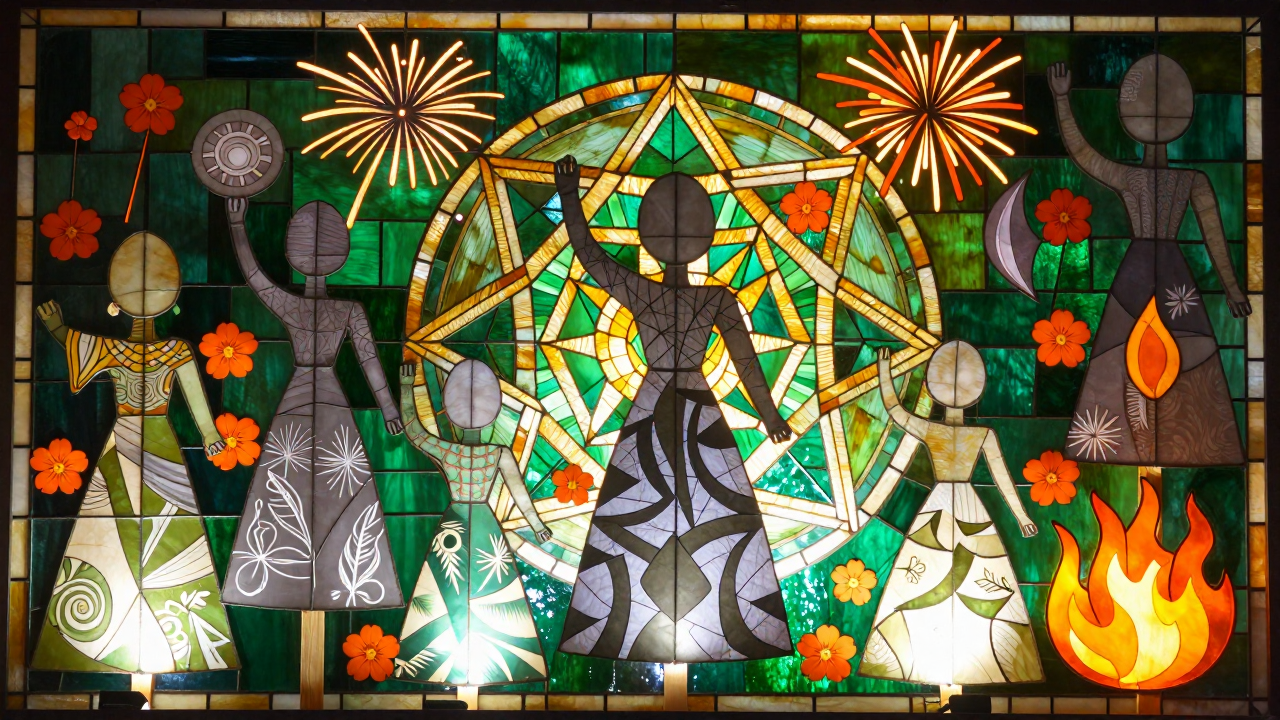
Falles, celebrated on March 15, is a vibrant and captivating festival that lights up the city of Valencia, Spain. This spectacular event marks the arrival of spring and pays homage to the city’s patron saint, Saint Joseph. At its heart, Falles is a celebration of creativity and community, where enormous, intricate sculptures, known as "fallas," are crafted from wood and papier-mâché. These artistic masterpieces often depict satirical scenes and characters, reflecting social and political commentary, and they take months to design and build, showcasing the talent and dedication of local artisans.
As the festival unfolds, the streets of Valencia come alive with lively parades, fireworks, and traditional music. The atmosphere is filled with excitement as locals and visitors come together to enjoy delicious traditional cuisine, including the famous paella. The climax of Falles occurs on the final night, known as “La Cremà,” when the fallas are set ablaze in a spectacular display of fire and light, symbolizing the cleansing of the old and the welcoming of the new season. With its rich history and communal spirit, Falles is not just a festival; it’s a heartfelt expression of Valencian culture that invites everyone to join in the joy of renewal and creativity.
History
Falles, celebrated on March 15, is a vibrant and colorful festival that originates from the city of Valencia, Spain. Its roots can be traced back to the Middle Ages, specifically to the tradition of burning leftover wood and debris from the winter months as a way to welcome the arrival of spring. This practice eventually evolved into the creation of elaborate sculptures made from wood and other materials, known as "fallas." These sculptures often depict satirical themes, caricatures of public figures, and social commentary, reflecting the creativity and humor of the Valencian people.
Over the centuries, Falles has transformed from a simple spring cleaning ritual into a grand celebration that attracts thousands of visitors to Valencia. The festival typically spans several days, culminating in the "cremà," or burning, of the fallas on the night of March 19. However, the main event and the buildup to the festivities focus on March 15, when the fallas are showcased throughout the city. The festival gained official recognition in the 20th century, leading to its designation as a UNESCO Intangible Cultural Heritage of Humanity in 2016. This recognition has further solidified its status as a significant cultural event, inspiring local pride and international interest.
Culturally, Falles is not just about the impressive fallas; it encompasses a rich tapestry of traditions, including the processions, music, fireworks, and communal feasting. Each neighborhood in Valencia participates by creating their own falla, fostering a sense of community and collaboration. The festival is also marked by the election of a "Fallera Mayor," who represents the city's women in traditional dress, and plays a pivotal role in the celebrations. Through these elements, Falles reflects the identity and heritage of Valencia, showcasing the region's artistic talents and communal spirit.
In essence, Falles serves as a remarkable fusion of art, tradition, and festivity. Observed on March 15, it represents a time of renewal and celebration for the people of Valencia, highlighting the importance of community and cultural expression. As the festival continues to evolve, it remains a testament to the enduring spirit of the Valencian people and their ability to blend history with contemporary society in a joyous celebration of life.