Eid-e-Ghorban
Saudi Arabia, Iran, Turkey, Egypt, Pakistan, Bangladesh, Indonesia, Malaysia, United Arab Emirates, Afghanistan
About
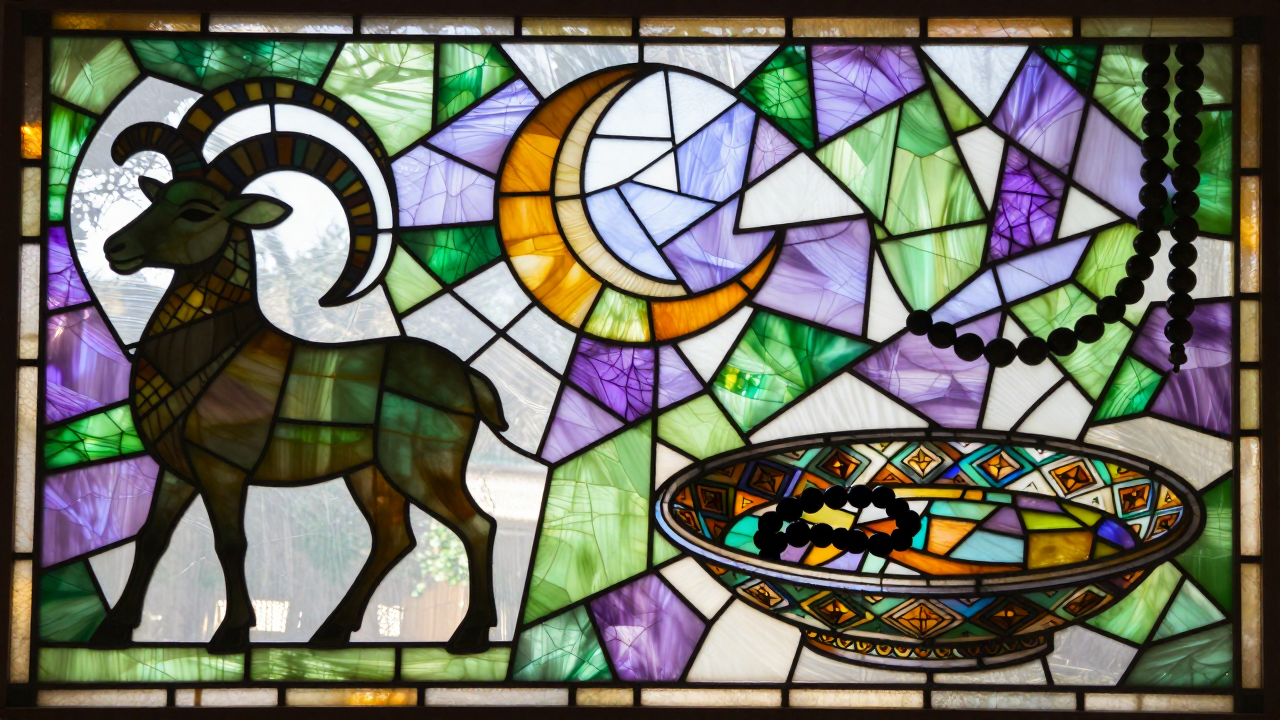
Eid-e-Ghorban, also known as the Festival of Sacrifice, is a significant celebration in the Islamic calendar that falls on May 17. This day holds profound meaning for Muslims around the world as it commemorates the story of the Prophet Ibrahim (Abraham) and his unwavering faith in God. According to tradition, Ibrahim was commanded to sacrifice his beloved son as a demonstration of his devotion. However, as he prepared to fulfill this divine order, God intervened and provided a ram as a substitute. This act of compassion and mercy is the essence of Eid-e-Ghorban, symbolizing the importance of sacrifice, obedience, and the deep bond between a parent and child.
On this special day, families come together to honor the spirit of giving, often participating in communal prayers, sharing festive meals, and engaging in acts of charity. Many people also choose to sacrifice an animal, such as a sheep or goat, and distribute the meat among family, friends, and those in need, reinforcing the values of generosity and community support. As Eid-e-Ghorban approaches on May 17, hearts are filled with gratitude and joy, making it a cherished occasion that strengthens family ties and fosters a sense of belonging among the faithful.
History
Eid-e-Ghorban, also known as the Festival of Sacrifice, is a significant Islamic observance celebrated on May 17 each year. Its origins trace back to the time of the Prophet Ibrahim (Abraham), who is revered in Islam for his unwavering faith in God. The story recounts that Ibrahim was commanded by God to sacrifice his son, Isma'il (Ishmael), as a test of faith. Demonstrating his willingness to obey, Ibrahim prepared to carry out the divine order, but at the last moment, God intervened and provided a ram to be sacrificed instead. This narrative is central to the observance, which commemorates the themes of faith, obedience, and sacrifice.
Over time, Eid-e-Ghorban evolved into a broader religious and cultural celebration among Muslims around the world. Initially marked as a solemn occasion, it gradually became a time for communal prayers, feasting, and the sharing of food with family and the less fortunate. The act of sacrificing an animal—typically a sheep, goat, or cow—during this festival symbolizes Ibrahim's willingness to sacrifice for God's commands. The meat is then divided into three parts: one-third is given to the needy, another third is shared with relatives and friends, and the last third is kept for the family, reinforcing the community spirit and the importance of charity.
Culturally, Eid-e-Ghorban holds a significant place in the Islamic calendar, being the second of the two major Islamic holidays, the other being Eid al-Fitr. The observance fosters a sense of unity among Muslims, as families gather to perform prayers and partake in the sacrificial rituals. It is also a time for reflection on personal sacrifice and the values of generosity and compassion. Across various cultures, unique customs and traditions have emerged, such as special meals, communal prayers, and festive gatherings, each adding to the rich tapestry of the holiday’s observance.
The importance of Eid-e-Ghorban extends beyond its religious significance; it serves as a reminder of the values of faith, community, and sacrifice that are integral to the Islamic faith. Celebrated on May 17, this day reaffirms the bonds of family and community while encouraging charitable acts and social responsibility, making it a cherished occasion for Muslims around the globe.