Eid al-Adha
Saudi Arabia, Turkey, Egypt, Indonesia, Pakistan, Bangladesh, United Arab Emirates, Malaysia, Morocco, Jordan, Algeria, Tunisia, Qatar, Oman, Kuwait, Iraq, Afghanistan, Sudan, Nigeria, Senegal, South Africa
About
Eid al-Adha, also known as the "Festival of Sacrifice," is a deeply significant observance celebrated by millions of Muslims around the world. This year, families and communities will come together on May 17 to honor the spirit of sacrifice and devotion exemplified by the Prophet Ibrahim (Abraham). The holiday commemorates his willingness to sacrifice his son in obedience to God’s command, a narrative that underscores themes of faith, obedience, and divine mercy. Eid al-Adha serves as a reminder of the importance of compassion and generosity, encouraging individuals to reflect on their own lives and the blessings they share with others.
On this special day, families gather to perform prayers and partake in festive meals, sharing delicious dishes that often include lamb, beef, or poultry—symbolic of the sacrifice made by Ibrahim. The act of giving is central to the celebration, as many choose to donate a portion of their meat to those in need, fostering a spirit of community and support. As the sun sets and the day winds down, people exchange greetings of joy and gratitude, reinforcing the bonds of kinship and friendship. Eid al-Adha is not only a time for reflection and gratitude but also a joyous occasion filled with warmth, love, and shared blessings, making it a cherished moment in the Islamic calendar.
History
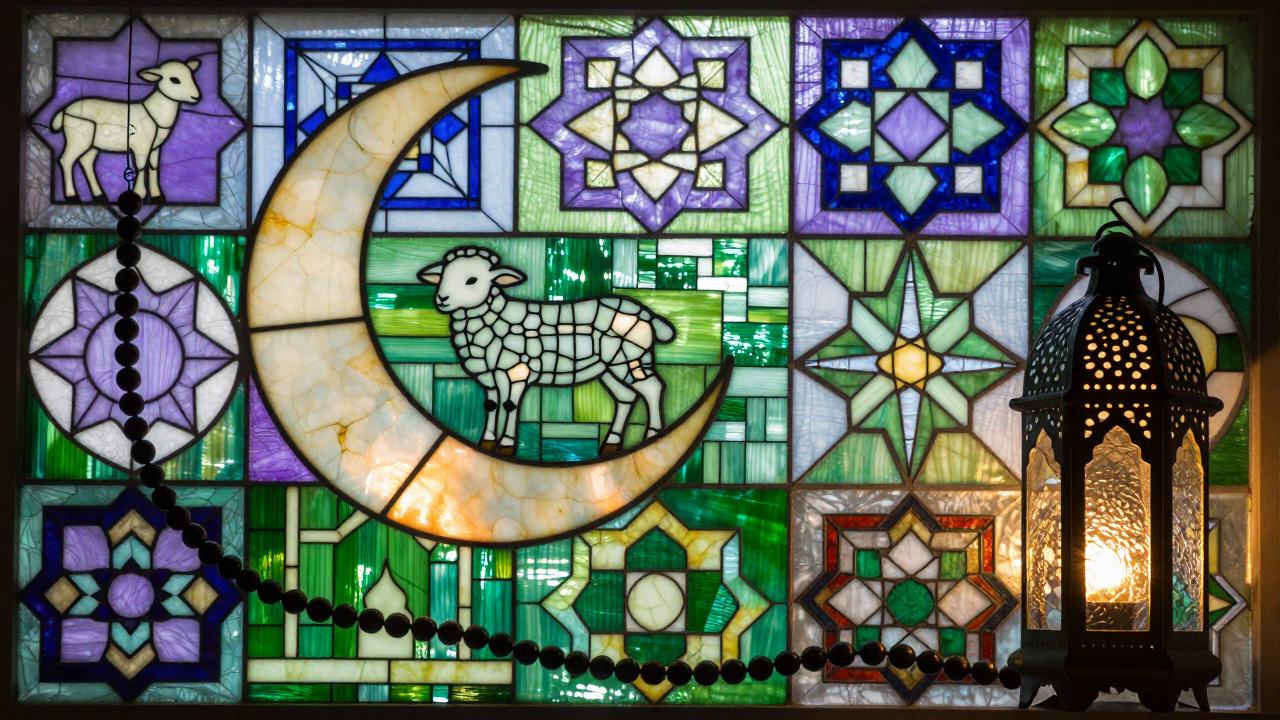
Eid al-Adha, also known as the "Festival of Sacrifice," is one of the most significant religious holidays in Islam, observed on May 17. Its origins trace back to the Quranic narrative of Prophet Ibrahim (Abraham), who is known for his unwavering faith in God. According to Islamic tradition, Allah commanded Ibrahim to sacrifice his son, Isma'il (Ishmael), as a test of obedience. Just as he was about to carry out this divine command, Allah intervened and provided a ram to be sacrificed instead. This moment of profound faith and submission laid the foundation for the observance of Eid al-Adha, commemorating Ibrahim's willingness to sacrifice for his faith.
Over time, Eid al-Adha has evolved into a major religious observance celebrated by millions of Muslims worldwide. The holiday occurs during the Islamic lunar month of Dhul-Hijjah, coinciding with the annual Hajj pilgrimage, which is one of the Five Pillars of Islam. The act of sacrifice performed during Eid al-Adha symbolizes the spirit of selflessness and charity, as the meat from the sacrificed animal is traditionally divided into three parts: one-third is given to the needy, one-third is shared with relatives and friends, and one-third is kept for the family. This practice reinforces communal bonds and highlights the importance of generosity within Islamic teachings.
Culturally, Eid al-Adha holds significant importance beyond its religious aspects. It serves as a time for family gatherings, feasting, and reflecting on the values of sacrifice and gratitude. In many cultures, elaborate meals are prepared, and special prayers are conducted at mosques or open fields, fostering a sense of community among participants. Additionally, the holiday promotes acts of charity and social responsibility, encouraging individuals to help those less fortunate. As the observance continues to adapt to modern contexts, it remains a powerful reminder of faith, resilience, and the values of compassion and empathy in the Muslim world.
In essence, Eid al-Adha on May 17 encapsulates a rich tapestry of history, spirituality, and cultural significance. It is a day that not only honors a profound biblical narrative but also reinforces the principles of generosity and community, showcasing the enduring spirit of Islam as it resonates across diverse societies worldwide.