Decoration Day
United States
About
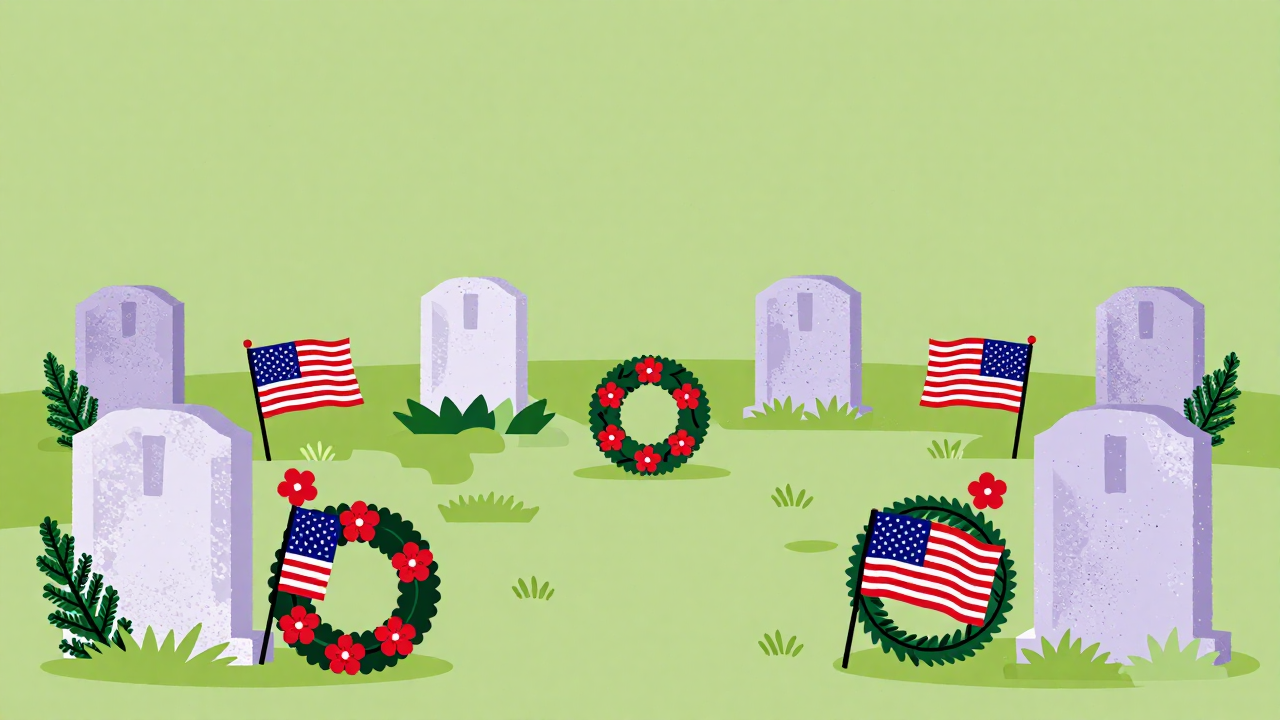
Decoration Day, observed on May 31, is a heartfelt occasion dedicated to honoring and remembering the brave men and women who have served in the armed forces. This day, which has evolved into what we now celebrate as Memorial Day, encourages individuals and communities to come together to pay tribute to those who made the ultimate sacrifice for their country. Traditionally, families would visit cemeteries to decorate the graves of fallen soldiers with flowers, flags, and other tokens of remembrance, creating a poignant display of gratitude and respect.
As May 31 approaches, many people take the time to reflect on the sacrifices made by these heroes and to celebrate the freedoms they fought for. Local parades, memorial services, and community gatherings are common, fostering a sense of unity and shared purpose. Whether you choose to participate in a solemn ceremony or engage in activities with family and friends, Decoration Day serves as a powerful reminder of the importance of remembrance and the enduring spirit of those who have served. This day not only honors the past but also strengthens our commitment to ensuring that their sacrifices are never forgotten.
History
Decoration Day, observed on May 31, originated in the aftermath of the American Civil War, a period marked by profound loss and mourning. The observance began in 1868, when General John A. Logan, the commander of the Grand Army of the Republic, called for a nationwide day of remembrance for the Union soldiers who had died in the conflict. The first official Decoration Day was held on May 30, 1868, at Arlington National Cemetery, where flowers were placed on the graves of both Union and Confederate soldiers. This act of honoring the fallen was rooted in the desire to promote national unity and reconciliation after the divisive war.
As the years progressed, Decoration Day evolved into a broader observance that included not only the commemoration of Civil War soldiers but also those who had served in subsequent conflicts. By the early 20th century, the day became an occasion to honor all American military personnel who had died in service to their country. The name "Memorial Day" gradually gained traction, and in 1971, it was officially designated as Memorial Day, establishing the last Monday in May as the day of observance. However, many communities and families still refer to it as Decoration Day, retaining the tradition of decorating graves with flowers and flags.
Culturally, Decoration Day holds significant importance as it embodies themes of remembrance, sacrifice, and patriotism. It serves as a time for reflection on the cost of freedom and the individuals who have dedicated their lives to protecting it. Communities often hold parades, ceremonies, and other events to honor veterans and educate younger generations about the sacrifices made by those who served. The day fosters a sense of collective memory and gratitude, encouraging people to remember not only fallen soldiers but also the broader implications of war and peace.
In modern times, the observance has also been infused with a sense of personal remembrance, where families take time to visit cemeteries, place flowers on graves, and share stories about loved ones who have passed. This blend of collective remembrance and personal reflection highlights the enduring legacy of Decoration Day as a pivotal moment for honoring the past while fostering connections within families and communities. As we observe Decoration Day on May 31, it remains a poignant reminder of the sacrifices made for freedom and the importance of remembering those who have served.