Columbia Corpus Christi Holiday
Colombia
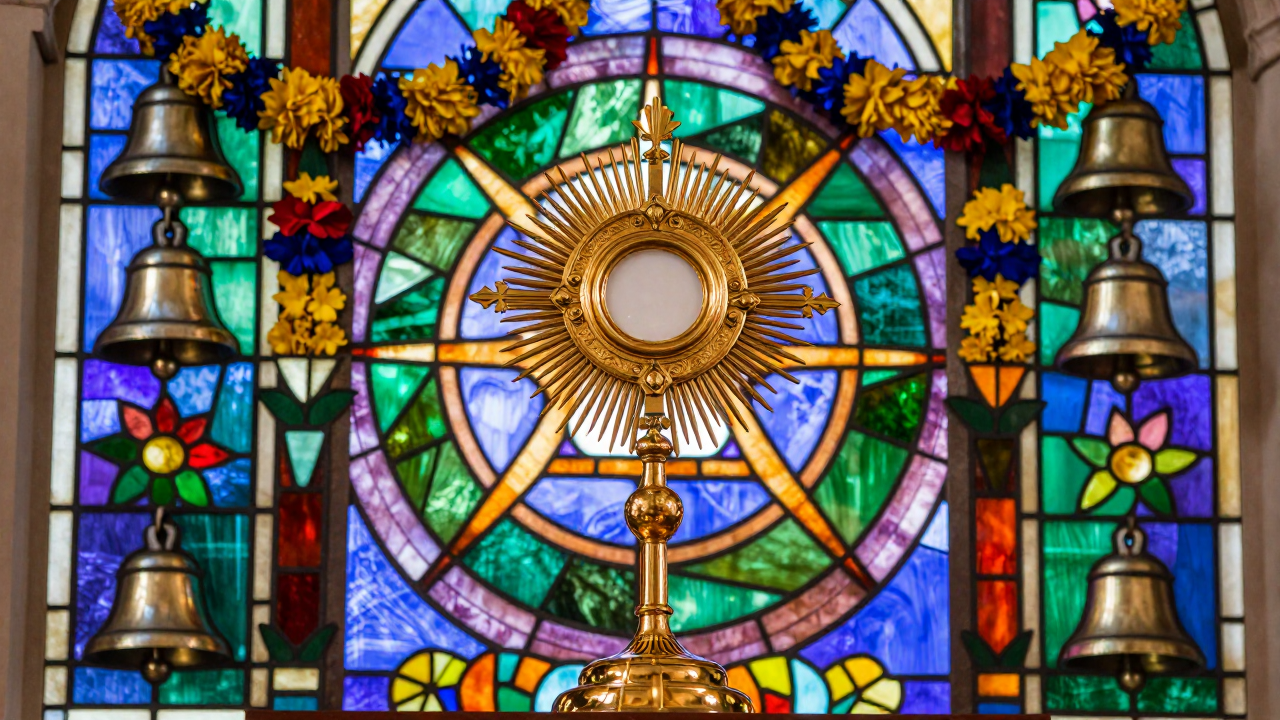
About
Columbia Corpus Christi Holiday, celebrated on May 31, is a vibrant observance that honors the rich cultural and religious traditions surrounding the Feast of Corpus Christi. This day is particularly significant in communities with strong Catholic roots, as it marks the celebration of the Eucharist and the presence of Christ in the sacrament. The holiday is a time for families and friends to come together in reflection, prayer, and joyful festivities that strengthen community bonds and spiritual connections.
On this warm spring day, many participants engage in various activities that highlight the importance of faith and gratitude. Processions, adorned with flowers and often accompanied by music, take place as people gather to celebrate the blessings of life and community. Special masses are held, inviting all to partake in the sacredness of the occasion. Columbia Corpus Christi Holiday is not just a day of solemnity but also a time of joy and togetherness, fostering a sense of belonging and appreciation for one another and the divine. As you observe this meaningful day on May 31, take a moment to reflect on the values of love, unity, and gratitude that this holiday so beautifully embodies.
History
The Columbia Corpus Christi Holiday, observed annually on May 31, traces its roots back to the early 20th century when it emerged as a celebration of the Feast of Corpus Christi, a significant event in the Christian liturgical calendar that honors the presence of Christ in the Eucharist. The Feast of Corpus Christi, which translates to "Body of Christ," is traditionally celebrated on the Thursday following Trinity Sunday, but the Columbia Corpus Christi Holiday adapts this observance by incorporating local customs and cultural expressions, thus giving it a unique identity within the larger framework of Christian celebrations.
As the holiday evolved over the years, it began to reflect not only the religious significance of the Eucharist but also the cultural and communal aspects of the regions where it was celebrated. By the mid-20th century, the Columbia Corpus Christi Holiday had become a day for communities to come together in festive gatherings, parades, and processions that emphasized collective faith and unity. This transformation highlighted the holiday's ability to adapt to changing societal values while retaining its core spiritual message.
Culturally, the Columbia Corpus Christi Holiday serves as a vital expression of community identity and heritage. It represents a fusion of religious observance and local tradition, often featuring music, food, and art that showcase the local culture. This blending of the sacred and the communal not only strengthens social bonds but also fosters an appreciation for the diversity of traditions within the larger context of Christian celebrations. The holiday has become a moment for reflection, gratitude, and the reaffirmation of faith among those who participate.
In recent years, the observance of Columbia Corpus Christi Holiday on May 31 has gained recognition beyond its religious origins, attracting individuals from various backgrounds who seek to engage in the festivities. As communities continue to celebrate this holiday, it stands as a testament to the enduring power of tradition and the importance of coming together to honor shared beliefs and values. Through its rich history and evolving significance, the Columbia Corpus Christi Holiday remains a cherished occasion for reflection, celebration, and community bonding.