Yom HaZikaron
Israel, United States, Canada, United Kingdom, Australia
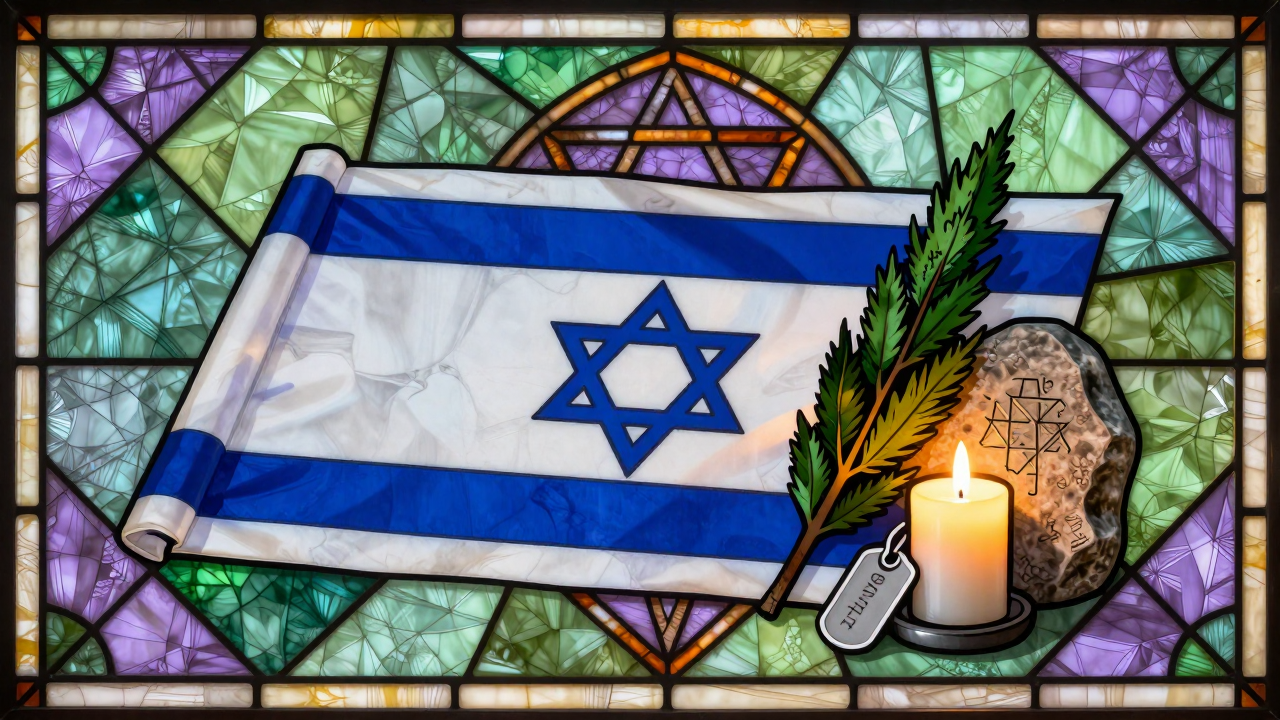
About
Yom HaZikaron, observed annually on May 10, is a poignant day of remembrance in Israel dedicated to honoring the sacrifices made by fallen soldiers and victims of terrorism. This solemn observance allows the nation to come together in collective grief and gratitude, reflecting on the bravery and dedication of those who have given their lives in the pursuit of peace and security. As the sun sets on this day, sirens sound across the country, prompting a moment of silence where people pause in their tracks to pay their respects.
The day is marked by ceremonies at military cemeteries, memorials, and schools, where families, friends, and community members gather to share stories and celebrate the legacies of their loved ones. It is a time for reflection, not just on loss, but on the resilience of the nation and the hope for a future where such sacrifices are no longer necessary. Yom HaZikaron serves as a reminder of the heavy price of freedom, fostering a sense of unity and shared responsibility among all citizens as they remember those who have served with courage.
History
Yom HaZikaron, observed annually on May 10, is Israel's Memorial Day dedicated to honoring the fallen soldiers of the Israel Defense Forces (IDF) and the victims of terrorism. The origins of this solemn observance can be traced back to the early years of the State of Israel, established in 1948. The day was officially inaugurated in 1963, reflecting the growing need to create a national day of remembrance as a means to honor those who sacrificed their lives for the nation’s security and independence. The date was strategically chosen to align closely with Israel's Independence Day, which follows immediately after, thereby emphasizing the connection between the sacrifices made and the hard-won state of Israel.
Over the years, Yom HaZikaron has evolved into a deeply significant national observance. Initially, it was marked by ceremonies limited to military memorials and gatherings, but it has since transformed into a widespread observance throughout the country. Communities, schools, and military bases hold memorial services, and a two-minute siren is sounded across Israel at 8:00 PM on the eve of Yom HaZikaron, bringing the nation to a standstill in remembrance. The day is characterized by a somber atmosphere as citizens reflect on the profound losses endured during conflicts and acts of terror. This collective mourning is crucial in fostering national unity and shared identity, as families and friends come together to honor their loved ones.
Culturally, Yom HaZikaron serves as a poignant reminder of the human cost of conflict. The observance emphasizes the values of sacrifice, bravery, and resilience, integral to the fabric of Israeli society. It also plays a vital role in educating younger generations about the historical and ongoing challenges faced by the nation. Schools incorporate lessons on the significance of the day, ensuring that the memories of the fallen are preserved and respected. The integration of personal stories and testimonies from bereaved families into the observance helps to personalize the collective grief, transforming abstract statistics into relatable narratives.
In conclusion, Yom HaZikaron, observed on May 10, stands as a crucial observance within Israeli culture that honors the sacrifices made for the nation’s freedom and security. Its evolution from a simple day of remembrance to a comprehensive national observance reflects the importance of collective memory in shaping national identity. Through its somber rituals and educational initiatives, Yom HaZikaron not only commemorates the past but also reinforces the values of resilience and unity for future generations.