World Tuna Day
Japan, Spain, United States, Indonesia, Philippines, Mexico, Italy, Australia, Thailand, South Korea
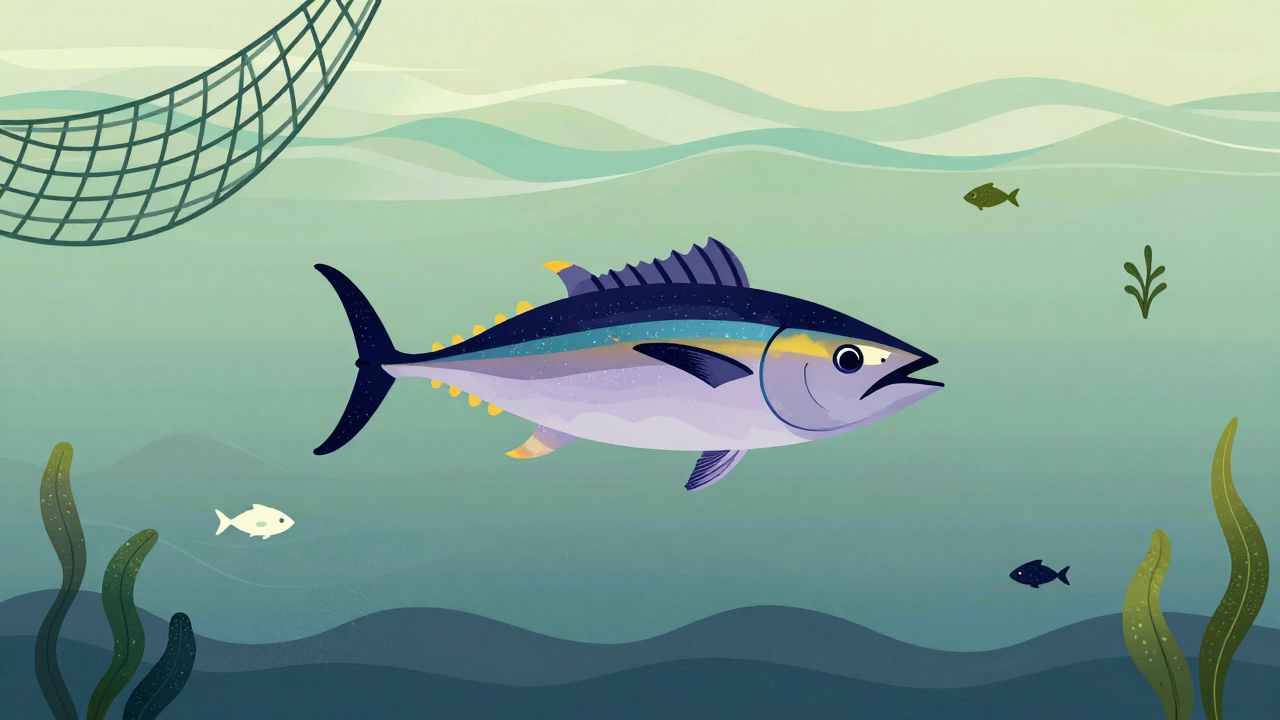
About
World Tuna Day, celebrated on May 2, is a delightful observance dedicated to raising awareness about the importance of tuna and the sustainable management of its fisheries. This day serves as a reminder of the vital role tuna plays in global food security, economic development, and marine ecosystems. With millions of people relying on tuna as a primary source of protein, it’s crucial to promote responsible fishing practices that ensure the long-term health of tuna populations and their habitats.
On this special day, enthusiasts, environmentalists, and seafood lovers alike come together to celebrate all things tuna. Events often include educational programs, cooking demonstrations, and community gatherings that highlight the cultural significance of tuna in various cuisines around the world. By sharing knowledge and encouraging sustainable practices, World Tuna Day not only honors this magnificent fish but also fosters a collective commitment to preserving our oceans for future generations. So mark your calendars for May 2 and join in the festivities to appreciate and protect one of the ocean's most remarkable treasures!
History
World Tuna Day is observed annually on May 2, a date that underscores the global importance of tuna and its role in marine ecosystems and human diets. The observance was formally established by the United Nations General Assembly in 2016, reflecting growing concerns about the sustainability of tuna fisheries and the need to ensure the long-term viability of this vital resource. Tuna is not only a staple in many diets worldwide but also a significant economic driver in various regions, particularly in countries where fishing is a primary industry.
The origins of World Tuna Day can be traced back to the increasing awareness around the environmental challenges facing tuna populations, including overfishing and habitat destruction. As tuna species, such as bluefin and yellowfin, faced declining numbers due to unsustainable fishing practices, international dialogue began to emphasize the necessity of sustainable management. The declaration of World Tuna Day by the UN marked a pivotal moment in raising global awareness regarding these issues and encouraged nations to work collaboratively towards sustainable fishing practices.
Over time, World Tuna Day has evolved into an observance that not only highlights the importance of sustainable fishing but also promotes awareness of the broader marine ecosystem. Various organizations, including conservation groups and fishing communities, use this day to educate the public about the significance of tuna, the threats it faces, and the importance of preserving marine biodiversity. Events, campaigns, and educational programs are organized worldwide, aiming to foster a deeper understanding of sustainable seafood consumption and the ecological balance of our oceans.
Culturally, tuna holds a significant place in many cuisines, particularly in Mediterranean and Asian cultures, where it is celebrated for its nutritional value and flavor. On May 2, celebrations may include cooking demonstrations, festivals, and initiatives to promote local fisheries that practice sustainable methods. As the observance continues to gain traction, it serves as a reminder of the interconnectedness between humans and the marine environment, encouraging responsible stewardship of ocean resources for future generations. Through these collective efforts, World Tuna Day aims to inspire action and cultivate a culture of sustainability surrounding one of the world's most important fish species.