World Malaria Day
Nigeria, India, Indonesia, Democratic Republic of the Congo, Uganda, Tanzania, Ghana, Mozambique, Burkina Faso, Cameroon
About
World Malaria Day, observed annually on April 25, serves as a significant reminder of the global fight against malaria, a preventable and treatable disease that still affects millions around the world. This day is dedicated to raising awareness about the impact of malaria on health and development, highlighting the ongoing efforts to eliminate this illness, and encouraging collective action to combat it. Communities, organizations, and individuals come together to share knowledge, promote prevention strategies, and celebrate progress made in the battle against malaria.
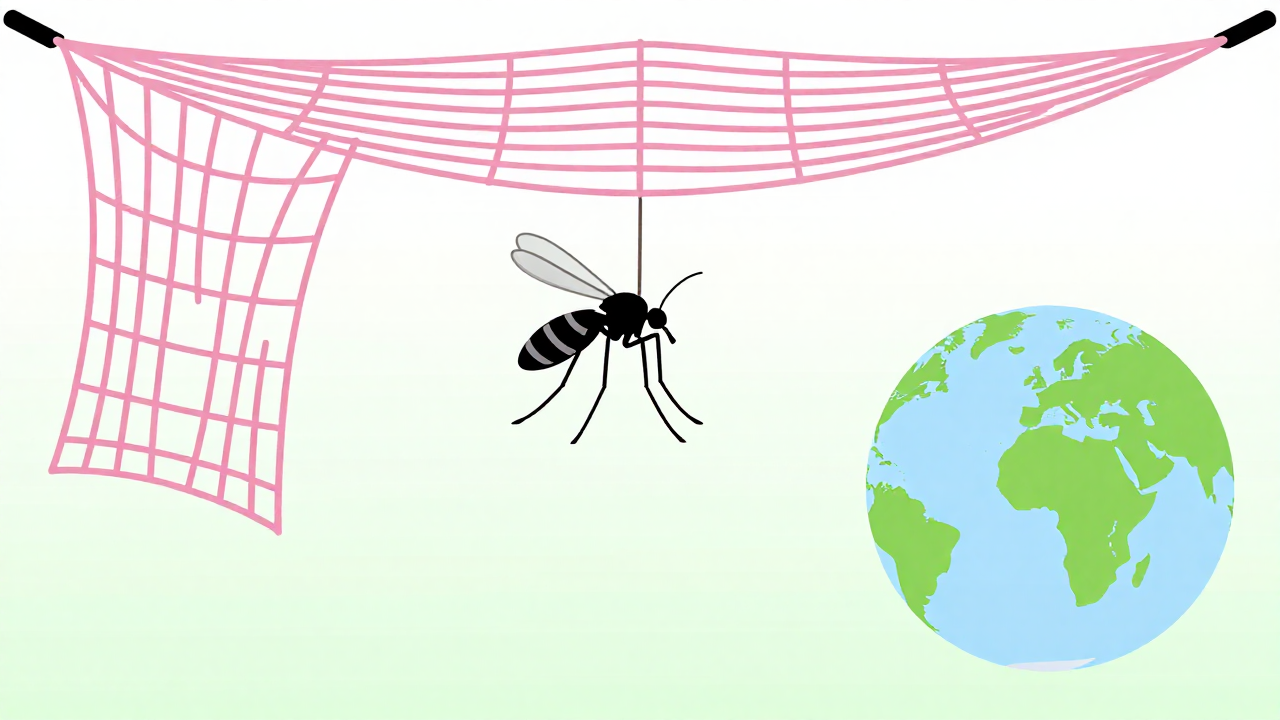
On this special day, various events and activities are organized, from educational campaigns to community health initiatives. The observance emphasizes the importance of understanding the disease, which is transmitted through the bites of infected mosquitoes, and the vital role that effective interventions, such as mosquito nets and antimalarial medications, play in protecting vulnerable populations. By shining a light on the importance of prevention and treatment, World Malaria Day invites everyone to participate in the global movement toward a malaria-free future. Join in on April 25 to honor the strides made so far and to commit to further efforts in this vital public health endeavor.
History
World Malaria Day is observed annually on April 25, with the primary aim of raising awareness about malaria, a life-threatening disease caused by parasites transmitted to humans through the bites of infected mosquitoes. The observance was established following the creation of the Roll Back Malaria partnership in 1998, a global initiative aimed at reducing the burden of malaria by implementing strategies that focus on prevention, treatment, and education. The World Health Organization (WHO) officially recognized World Malaria Day in 2007, marking a significant milestone in global health advocacy.
The origins of World Malaria Day can be traced back to the African Summit on Roll Back Malaria in Abuja, Nigeria, in April 2000, where leaders from across the continent committed to halving the malaria burden by 2010. As a result of this summit, April 25 was designated as a day to highlight the ongoing fight against malaria and to mobilize resources for prevention and control efforts. Since its inception, the observance has evolved to reflect the changing landscape of malaria research, funding, and global health policies aimed at eradicating the disease.
Culturally, World Malaria Day serves as a reminder of the profound impact that malaria has on communities worldwide, particularly in sub-Saharan Africa, where the disease remains endemic. The day provides an opportunity for governments, organizations, and individuals to come together to promote prevention strategies, such as the use of insecticide-treated bed nets, indoor spraying, and access to rapid diagnostic tests and effective treatments. Events and campaigns are organized to educate the public about malaria, its symptoms, and the importance of prompt treatment, fostering a collective commitment to combating this preventable disease.
Over the years, World Malaria Day has garnered significant attention and support, leading to increased funding and international collaboration. The observance continues to evolve, with a focus on new strategies, such as innovative vector control methods and the development of malaria vaccines. As of April 25, 2023, the global health community remains dedicated to achieving the ambitious goal of eliminating malaria in multiple regions by 2030, underscoring the importance of sustained efforts and global solidarity in this ongoing battle against a disease that has claimed countless lives throughout history.