World Hijab Day
United States, Canada, United Kingdom, Australia, Germany, France, Malaysia, Indonesia, Pakistan, Turkey
About
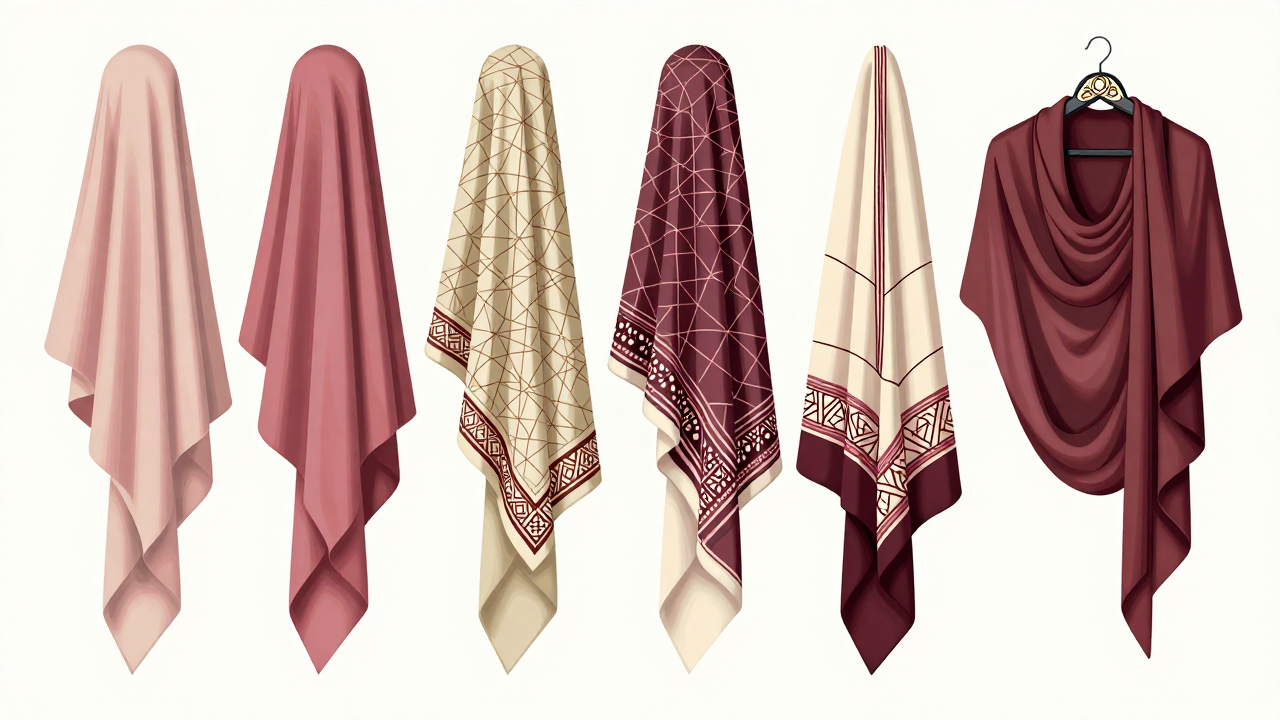
World Hijab Day, celebrated annually on February 1, is a heartfelt observance dedicated to promoting understanding and acceptance of the hijab, a traditional headscarf worn by many Muslim women around the world. This day serves as a platform to encourage dialogue about the significance of the hijab, allowing individuals from all walks of life to experience the beauty and empowerment that comes with wearing it. By inviting people to don the hijab for a day, World Hijab Day fosters empathy and breaks down stereotypes, highlighting the rich cultural and spiritual meanings behind this practice.
The initiative was founded in 2013 by Nazma Khan, who sought to create a supportive environment for women who choose to wear the hijab, while also educating others about its importance. On February 1, communities come together to celebrate diversity, showcasing the hijab as a symbol of faith, identity, and freedom of choice. Events are hosted worldwide, featuring discussions, workshops, and social media campaigns that unite individuals in a shared commitment to respect and understanding. As we observe World Hijab Day, we are reminded of the power of acceptance and the beauty found in our differences.
History
World Hijab Day is observed annually on February 1, a day dedicated to promoting awareness about the hijab and fostering understanding of its significance in the lives of Muslim women. The observance was first established in 2013 by Nazma Khan, a Muslim woman who aimed to create a platform for women to share their experiences and encourage dialogue about the hijab. The initiative was born out of Khan's personal experiences of facing discrimination and misunderstanding regarding her choice to wear the hijab. By inviting women of all faiths and backgrounds to wear the hijab for a day, Khan sought to create solidarity and dispel misconceptions surrounding the practice.
Since its inception, World Hijab Day has evolved into a global movement, with events organized in various countries, including educational workshops, social media campaigns, and community discussions. The observance has gained traction in schools, universities, and workplaces, encouraging individuals to learn about the cultural, religious, and personal significance of the hijab. Over the years, it has become a day not only for Muslim women to celebrate their identity but also for non-Muslims to show support and solidarity, fostering an inclusive environment that values diversity.
Culturally, the hijab holds profound meaning for many Muslim women, symbolizing modesty, faith, and empowerment. World Hijab Day serves as a reminder of the importance of respecting individual choices and understanding the rich tapestry of traditions that shape our world. By highlighting the diverse reasons women wear the hijab—ranging from religious obligations to personal choice—the observance encourages greater empathy and reduces stigma associated with the practice. As it continues to grow, World Hijab Day reinforces the notion that the hijab is not merely a piece of clothing but a significant aspect of identity that deserves respect and recognition.
As the movement progresses, World Hijab Day remains a vital platform for advocating for women's rights, challenging stereotypes, and promoting mutual respect among different cultures. It serves as an opportunity to engage in meaningful conversations about inclusivity and acceptance, ultimately aiming to create a world where everyone can express their identity freely and confidently. The observance, marked on February 1 each year, is a call to action for individuals to stand together in solidarity and support the rights of all women, regardless of their choices in attire.