World Bee Day
Slovenia, United States, Canada, United Kingdom, Australia, Germany, France, Italy, Brazil, India
About
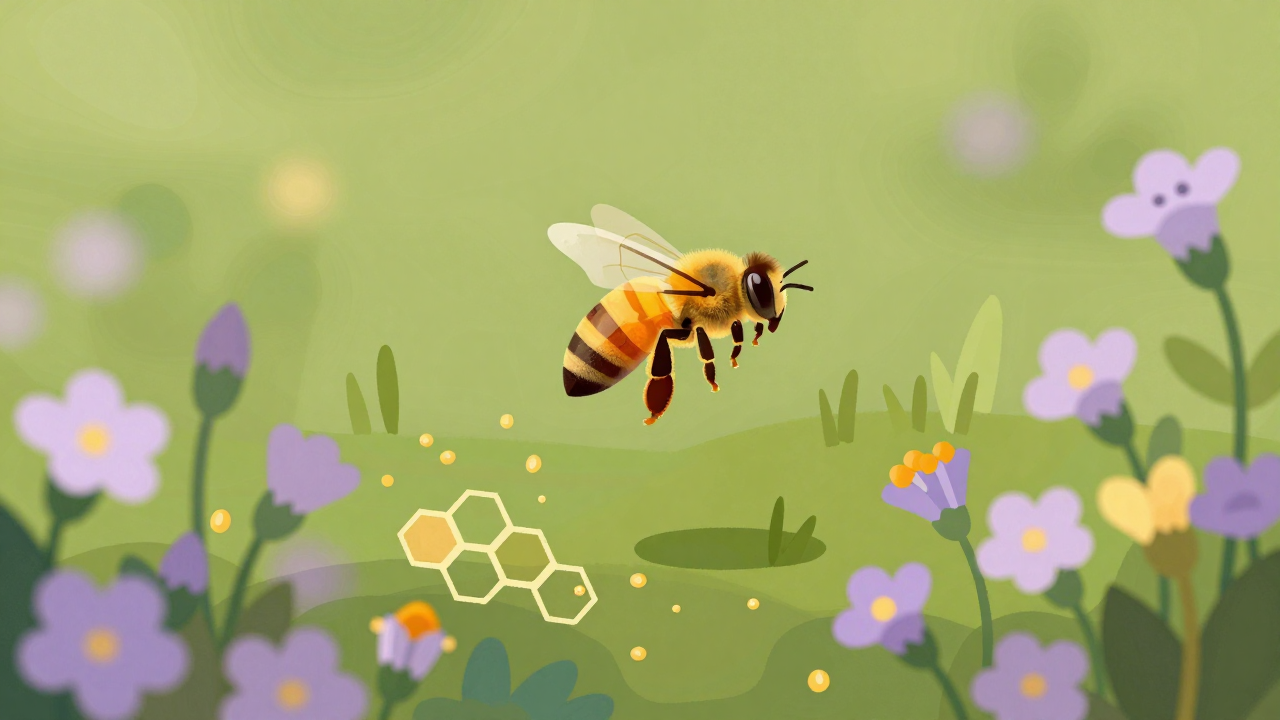
World Bee Day, celebrated on May 20, is a heartwarming observance dedicated to raising awareness about the vital role that bees and other pollinators play in our ecosystems. Established by the United Nations in 2017, this day serves as a reminder of how crucial these tiny creatures are to food production and biodiversity. Bees are not just busy little workers; they are essential for the pollination of many crops and plants that sustain both human and animal life. By honoring World Bee Day, we acknowledge their hard work and the need to protect their habitats for future generations.
On this special day, communities around the globe engage in various activities that promote bee conservation and education. From workshops and educational programs to planting bee-friendly gardens, people come together to celebrate these incredible insects. Whether you're a beekeeper, a gardening enthusiast, or simply someone who enjoys the beauty of nature, World Bee Day encourages everyone to take part in fostering a healthier environment for bees. Join in the celebration on May 20 and discover how you can contribute to the well-being of these essential pollinators!
History
World Bee Day is observed annually on May 20, a date chosen to honor the birthday of Anton Jansa, an influential pioneer of beekeeping in the 18th century. Jansa, a Slovenian beekeeper, is celebrated for his advancements in beekeeping techniques and his emphasis on the importance of bees in agriculture and the environment. His innovative methods of managing hives laid the groundwork for modern beekeeping practices, making him a fitting figure to commemorate on this day dedicated to raising awareness about the significance of bees.
The observance of World Bee Day was officially established by the United Nations General Assembly in December 2017, following a proposal by Slovenia. The initiative was launched as a response to the alarming decline in bee populations worldwide, which poses a serious threat to global food security and biodiversity. The first World Bee Day was celebrated on May 20, 2018, and since then, it has grown in recognition and participation across various countries, highlighting the need for collective action to protect these vital pollinators.
Over time, World Bee Day has evolved into a global campaign that encompasses various activities aimed at promoting the importance of bees and other pollinators. Educational programs, workshops, and community events have emerged as key components of the observance, engaging individuals, schools, and organizations in discussions about the ecological roles of bees, sustainable practices, and the threats they face from habitat loss, pesticides, and climate change. The day serves not only to educate but also to inspire action, urging people to adopt bee-friendly practices and support local beekeepers.
Culturally, World Bee Day emphasizes the interconnectedness of humans and nature, celebrating the crucial role that bees play in food production and ecological balance. Bees are responsible for pollinating a significant portion of the crops we consume, and their decline signals broader environmental issues that affect all living organisms. The observance fosters a sense of stewardship towards the environment, encouraging individuals to appreciate and protect the natural world. By raising awareness about the significance of bees, World Bee Day aims to inspire a global movement toward conservation and sustainability, reaffirming the idea that the health of our planet is intrinsically linked to the well-being of its pollinators.