Whit Sunday
United Kingdom, Germany, Sweden, Norway, Netherlands, France, Australia, New Zealand
About
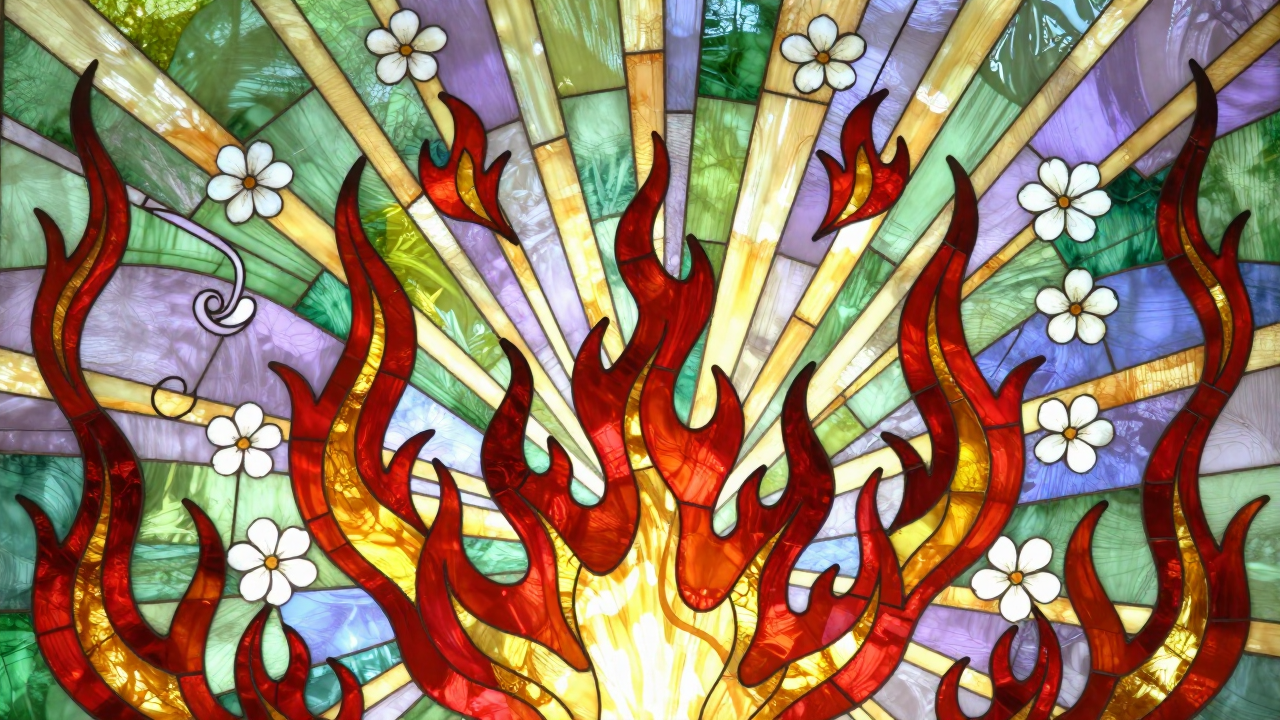
Whit Sunday, observed on May 16, is a vibrant celebration that falls seven weeks after Easter Sunday, marking the culmination of the Easter season in the Christian calendar. Also known as Pentecost, this day is significant as it commemorates the descent of the Holy Spirit upon the apostles and other followers of Jesus Christ. This momentous event is often seen as the birth of the Christian Church, as the apostles were empowered to spread the message of Christianity across the world.
Traditions surrounding Whit Sunday vary by region, but many communities celebrate with joyous church services, lively processions, and festive gatherings. In some areas, it’s customary to decorate homes and churches with flowers and greenery, symbolizing new life and the arrival of spring. Families and friends come together, sharing meals and stories, fostering a spirit of unity and community. As we observe Whit Sunday on May 16, it serves as a reminder of hope, renewal, and the importance of fellowship, allowing us to reflect on our own connections to faith and each other.
History
Whit Sunday, also known as Pentecost, is observed on May 16 and is one of the significant events in the Christian liturgical calendar, celebrated fifty days after Easter Sunday. The term "Whit" is derived from "Whitsun," which is believed to have originated from the Old English word "hwita," meaning white. This is reflective of the tradition of wearing white garments during the celebration, symbolizing purity and the coming of the Holy Spirit. The observance commemorates the descent of the Holy Spirit upon the apostles, as detailed in the Book of Acts in the New Testament, marking the birth of the Christian Church.
The origins of Whit Sunday date back to the early Christian church, with its roots in ancient Jewish festivals. The timing aligns with the Feast of Weeks, or Shavuot, which celebrates the giving of the Torah to Moses at Mount Sinai. As Christianity spread, the significance of Pentecost took on a new dimension, transitioning from a Jewish harvest festival to a distinctly Christian observance that highlights the empowerment of the apostles and the global mission of the church. This transformation reflects the early church's efforts to establish its identity and theological foundations.
Over the centuries, Whit Sunday has evolved, particularly in its liturgical observances and cultural expressions. In medieval England, the day became associated with various local customs, including processions and communal gatherings. It was a time for celebration, often marked by feasting and communal activities. In some regions, Whit Sunday also became a time for various sporting events and fairs, further embedding the observance in local culture and community life.
Culturally, Whit Sunday holds significance beyond its religious origins. In parts of England, it became a time for Whit Monday, the day following Whit Sunday, which was often designated for public holidays and events. This extension of celebration allowed for a more profound communal engagement, fostering relationships and reinforcing community bonds. Today, while the religious observance remains prevalent among various Christian denominations, many of the cultural practices associated with Whit Sunday have faded or transformed, reflecting broader societal changes. Yet, the essence of the day as a time of spiritual reflection and community remains vital for those who observe it each year on May 16.