Walpurgis Night
Germany, Sweden, Finland, Czech Republic, Estonia, Austria, Switzerland, Norway
About
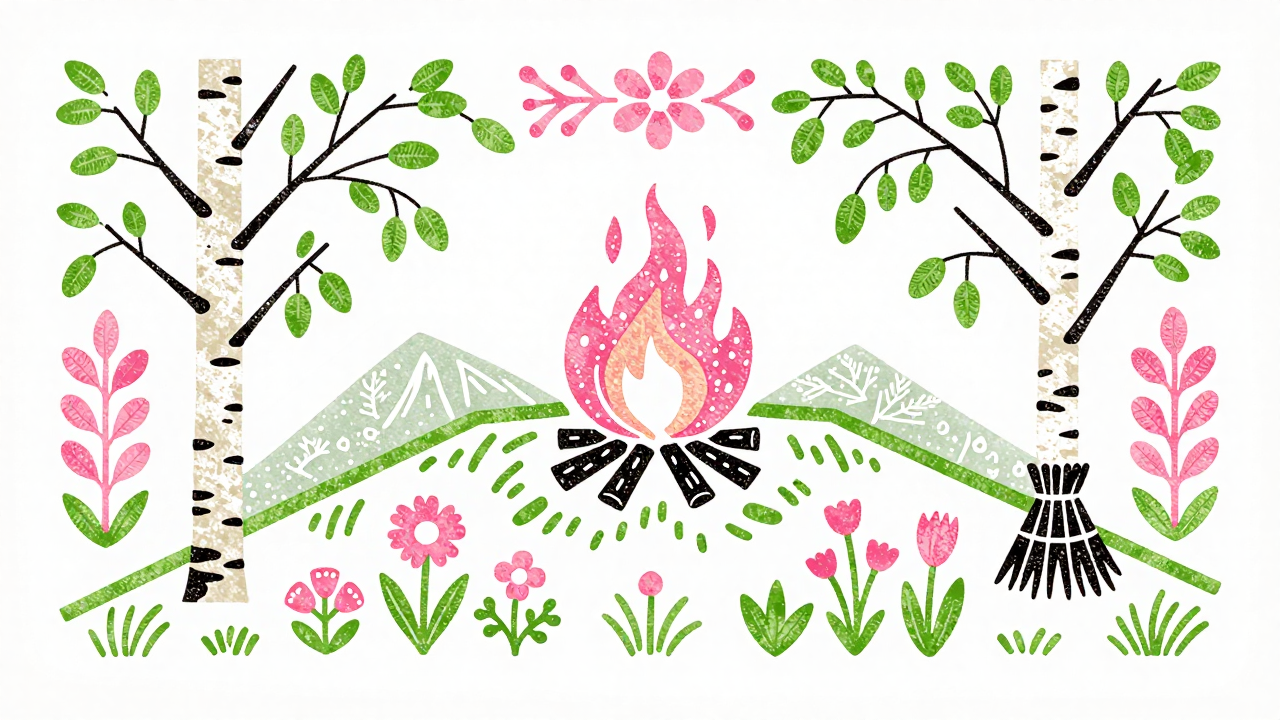
Walpurgis Night, celebrated on April 30, is a vibrant and enchanting festival steeped in folklore and tradition. This lively observance marks the arrival of spring and is characterized by a mix of ancient pagan customs and Christian influences. Rooted in Germanic lore, it is believed to be a night when witches gather on the Brocken mountain to celebrate the arrival of warmer days. Communities across Europe, particularly in Germany and the Nordic countries, embrace this night with bonfires, music, and dancing, creating a festive atmosphere that welcomes the new season.
As the sun sets on April 30, revelers don costumes and take part in spirited celebrations that often include singing, feasting, and the lighting of bonfires, symbolizing the triumph of light over darkness. Walpurgis Night is not just about the supernatural; it's a joyous occasion that brings people together, encouraging camaraderie and the enjoyment of life as nature awakens. Whether through lively street parties or intimate gatherings, the essence of Walpurgis Night lies in its ability to unite communities in celebration, making it a beloved observance that continues to thrive through the ages.
History
Walpurgis Night, observed on April 30, has its roots in ancient European pagan traditions, particularly those of the Germanic and Celtic peoples. The night is named after Saint Walpurga, an English missionary who became a nun and later was canonized in the 9th century. Her feast day, celebrated on May 1, coincides with the pagan festival of Beltane, which marks the arrival of spring and the fertility of the earth. This connection suggests that Walpurgis Night served as a transitional period between the old pagan customs and the new Christian practices, as communities sought to integrate their traditional celebrations with the Christian calendar.
Historically, Walpurgis Night was characterized by the belief that witches would gather on the Brocken mountain in the Harz range of Germany to celebrate their own rites. The festivities were said to involve dancing, feasting, and various rituals, often intended to ensure fertility and protection against malevolent spirits. Over time, the reverence for the night transformed, evolving into a cultural observance rather than a purely religious one. By the 18th century, it had emerged as a night of revelry, marked by bonfires and social gatherings, particularly in Germany and other parts of Central Europe.
The cultural significance of Walpurgis Night has grown, especially in regions with strong folklore traditions. In Germany, it is celebrated with parades and music, drawing both locals and tourists who revel in the festive atmosphere. The night has also found its way into literature and popular culture, inspiring works from Goethe’s "Faust" to modern films and music that explore themes of witchcraft and the supernatural. In Scandinavian countries, the night is similarly celebrated, often associated with the end of winter and the welcoming of spring, incorporating various local customs that reflect their unique heritages.
In contemporary society, Walpurgis Night serves as a reminder of the interplay between pagan and Christian traditions, showcasing how ancient practices can evolve while still maintaining their roots in community and celebration. As people gather to partake in festivities on April 30, they continue to honor the rich history and cultural significance of this unique observance, transforming it into a lively celebration that bridges the past with the present.