Waitangi Day
New Zealand
About
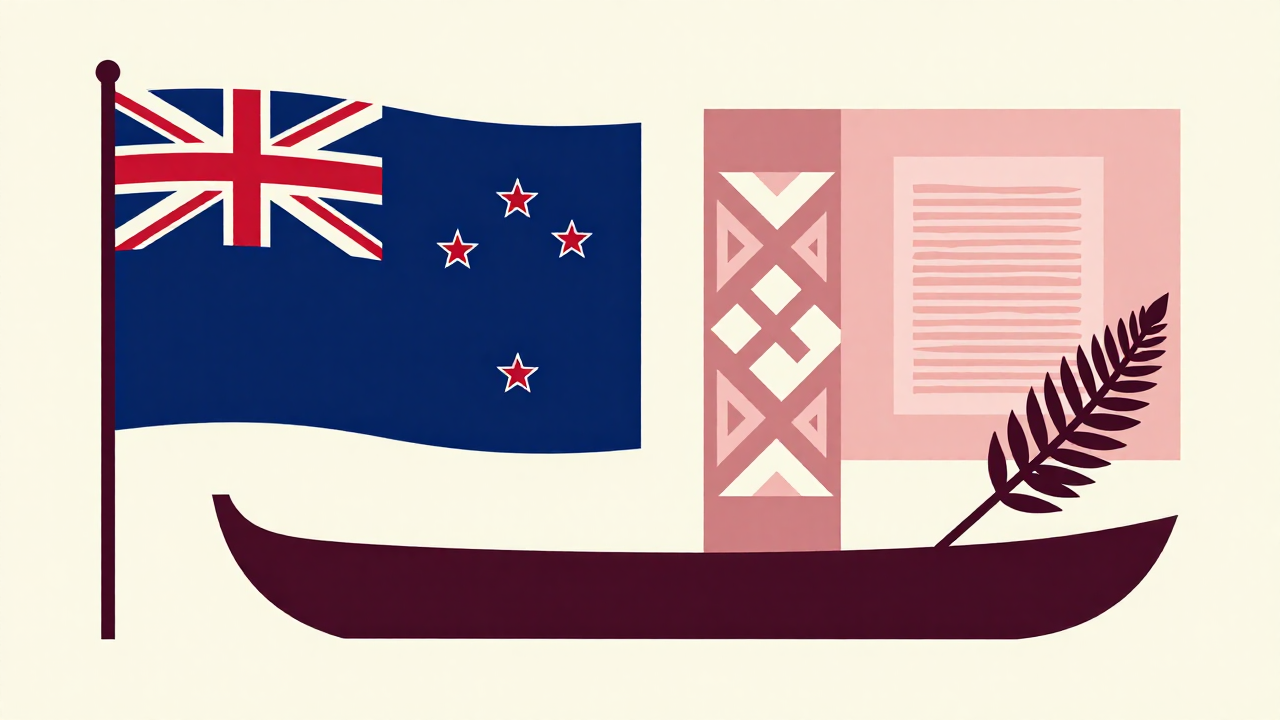
Waitangi Day, observed annually on February 6, holds a special place in the hearts of New Zealanders as it commemorates the signing of the Treaty of Waitangi in 1840. This pivotal document marked the beginning of a formal relationship between the Māori people and the British Crown, setting the foundation for New Zealand as a nation. On this day, communities across the country come together to reflect on the significance of the treaty, celebrating its role in shaping the nation’s identity and fostering understanding between cultures.
Festivities on Waitangi Day are as diverse as the country itself, featuring cultural performances, educational events, and community gatherings. From traditional Māori ceremonies to music and art exhibitions, the day is filled with opportunities to honor the rich heritage of New Zealand. Many people visit Waitangi, where the treaty was signed, to participate in ceremonies and engage with the history that continues to influence contemporary society. As you take part in the celebrations on February 6, you’ll find a warm atmosphere of unity and respect, reminding everyone of the ongoing journey toward reconciliation and partnership.
History
Waitangi Day, celebrated on February 6, commemorates the signing of the Treaty of Waitangi in 1840, a foundational document in New Zealand's history. The treaty was signed at Waitangi in the Bay of Islands by representatives of the British Crown and various Māori chiefs. Its primary purpose was to establish a legal framework for British settlers while recognizing Māori land rights and sovereignty. However, the treaty's interpretation and implementation have been contentious, leading to significant historical and cultural implications for both Māori and non-Māori New Zealanders.
Over the years, the observance of Waitangi Day has evolved from a primarily governmental and ceremonial event into a day of reflection and activism. Initially, it was marked mainly by formal ceremonies, including speeches from political leaders and traditional Māori performances. However, as awareness of historical injustices and grievances grew, particularly during the 1970s and 1980s, the day became a platform for Māori activism. Protests and demonstrations began to occur alongside official celebrations, emphasizing the ongoing issues surrounding treaty rights and social equity.
Culturally, Waitangi Day holds significant importance for both Māori and Pākehā (New Zealanders of European descent). For Māori, it represents a moment of both pride and pain, as they reflect on their history, rights, and the ongoing struggle for justice regarding treaty breaches. For many Pākehā, it is an opportunity to acknowledge the complex relationship between the indigenous population and settlers, fostering a deeper understanding of New Zealand's bicultural identity. The day is marked by various events, including cultural performances, educational discussions, and community gatherings that encourage dialogue and reconciliation.
As New Zealand continues to navigate its identity and the implications of its colonial past, Waitangi Day remains a vital observance that prompts critical conversations about nationhood, rights, and the future of Māori and Pākehā relations. Each year, on February 6, the nation pauses to reflect on its history, celebrate its diversity, and consider the path forward in honoring the principles of the Treaty of Waitangi.