Victory Day Estonia
Estonia, Russia, Latvia
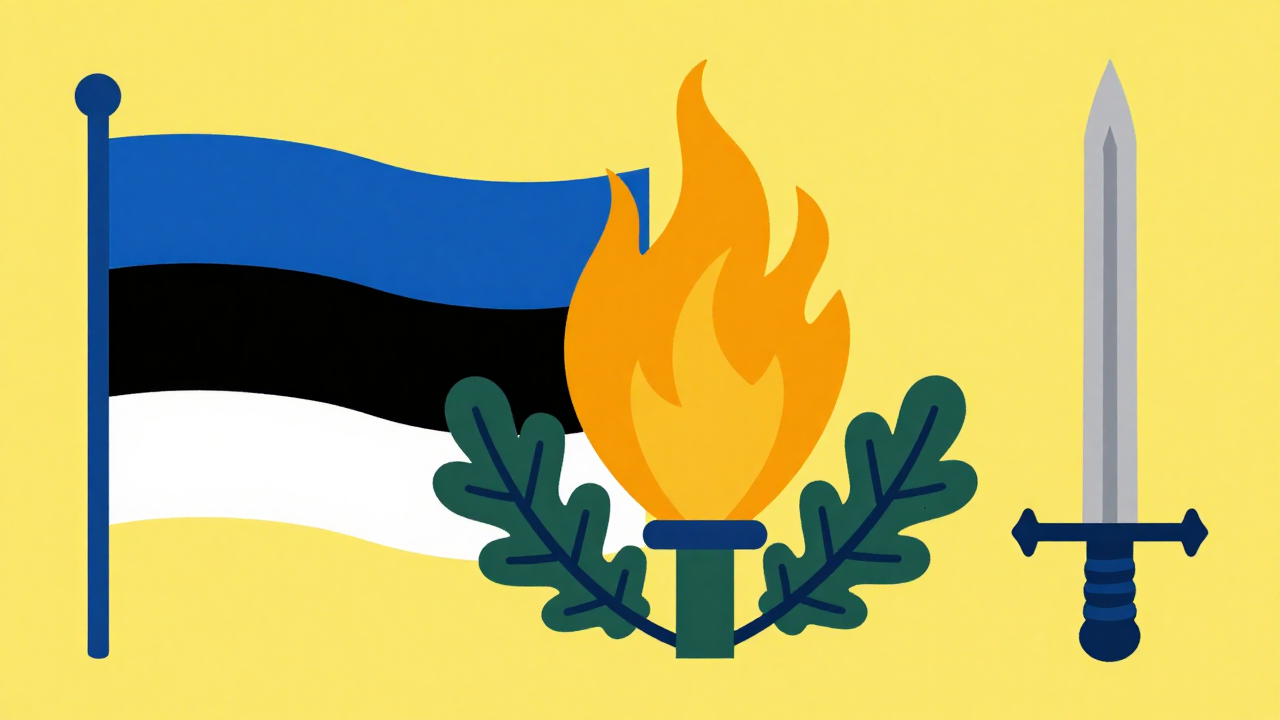
About
Victory Day Estonia, celebrated on June 23, is a significant national holiday that pays tribute to the bravery and resilience of the Estonian people during the War of Independence. This day marks the anniversary of the pivotal Battle of Võnnu in 1919, where Estonian forces achieved a decisive victory against the Soviet Red Army. The triumph not only solidified Estonia's path towards sovereignty but also instilled a sense of national pride and unity among its citizens.
As the sun rises on June 23, towns and cities across Estonia come alive with vibrant celebrations. Traditional parades, military displays, and heartfelt ceremonies are held, allowing communities to honor those who fought for their freedom. Families often gather for picnics and outdoor festivities, embracing the warm summer weather as they reflect on the importance of independence. Victory Day Estonia serves not only as a remembrance of the struggles of the past but also as a celebration of the enduring spirit of the Estonian nation, inviting everyone to come together in appreciation of their shared heritage and hope for the future.
History
Victory Day, known as "Võidupüha" in Estonian, is observed annually on June 23. This holiday commemorates the pivotal victory of Estonian forces over German troops during the Battle of Võnnu in 1919, which was a significant event in the Estonian War of Independence. The battle marked a turning point in Estonia's struggle for sovereignty following the tumultuous years of World War I and the subsequent political upheaval in the region. This victory not only helped solidify Estonia's path toward independence but also fostered a sense of national identity and pride among its citizens.
The origins of Victory Day can be traced back to the early 20th century when Estonia was seeking to establish itself as an independent nation. After declaring independence from Russia in February 1918, Estonia faced numerous threats, including the advancing German forces. The successful outcome of the Battle of Võnnu on June 23, 1919, was instrumental in turning the tide in favor of the Estonian forces, leading to further victories that ultimately secured the nation's independence in 1920. The first official celebration of Victory Day took place in 1934, marking an enduring recognition of the sacrifices made by those who fought for the country's freedom.
Over the decades, Victory Day has evolved in its significance and observance. During Soviet rule, which began in 1940 and lasted until 1991, the holiday was largely overshadowed by the celebrations commemorating the Soviet victory in World War II. However, after regaining independence, Estonia reinvigorated the observance of Victory Day as a means to honor its heritage and the contributions of those who fought in the War of Independence. The day now serves as a reminder of the importance of national unity and resilience against foreign domination.
Culturally, Victory Day is marked by various ceremonies and events, including military parades, memorial services, and community gatherings. These celebrations are imbued with a deep sense of patriotism, as they not only honor the historical military victory but also celebrate the enduring spirit of Estonian independence. The day provides an opportunity for Estonians to reflect on their historical journey, recognize the sacrifices made for freedom, and promote a collective national identity. June 23 stands as a testament to the strength and determination of the Estonian people in their quest for sovereignty and self-determination.