Vesak
Sri Lanka, Thailand, Myanmar, Cambodia, Vietnam, Indonesia, Malaysia, Singapore, India, Nepal, Bhutan, Japan, South Korea, Mongolia
About
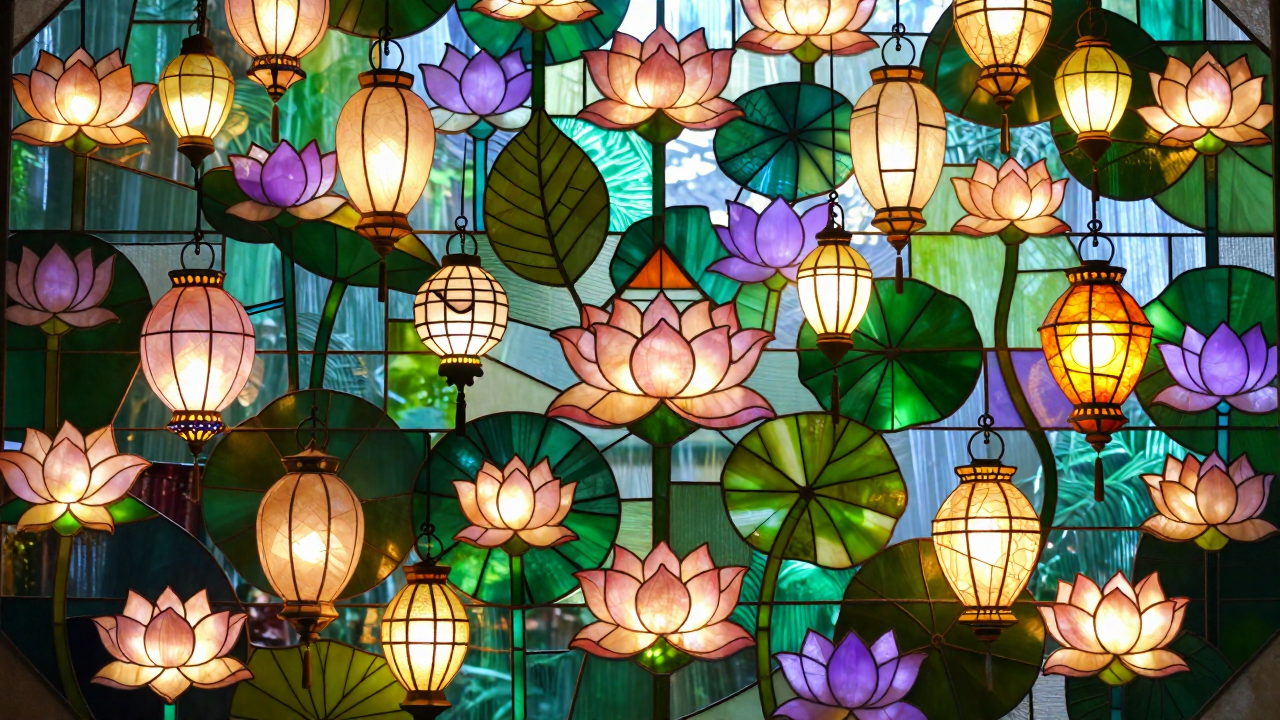
Vesak, celebrated on May 20, is a significant occasion for millions around the world as it commemorates the birth, enlightenment, and passing of Siddhartha Gautama, who became known as the Buddha. This sacred day is a time for reflection, gratitude, and joy as Buddhists gather in temples, partake in rituals, and engage in acts of kindness. The atmosphere is filled with the soft glow of lanterns and the sweet aroma of flowers, symbolizing the beauty of life and the teachings of compassion that the Buddha imparted.
On Vesak, communities come together to honor the principles of peace, mindfulness, and selflessness. Many participate in meditation and chanting, while others might volunteer in their communities, sharing food and resources with those in need. This observance serves as a reminder to embrace the core values of Buddhism, fostering a spirit of unity and goodwill toward all beings. As the sun rises on May 20, the world resonates with the teachings of the Buddha, inviting everyone to reflect on their own journeys and the profound interconnectedness of life.
History
Vesak, also known as Buddha Day, is a significant observance in the Buddhist calendar that commemorates the birth, enlightenment, and death of Siddhartha Gautama, who became known as the Buddha. Celebrated on May 20, Vesak holds deep spiritual importance for Buddhists around the world, encapsulating the core teachings of Buddhism and the fundamental principles of compassion, mindfulness, and enlightenment. The origins of Vesak can be traced back over 2,500 years to the time of the Buddha himself. While the specific date of the observance may vary among different cultures and traditions, the celebration on May 20 serves as a unified date for many Buddhists, emphasizing the shared reverence for the Buddha's life and teachings.
Over time, Vesak has evolved from its historical roots into a day filled with various cultural practices and rituals. Initially observed primarily in India, the celebration spread throughout Asia as Buddhism traveled along trade routes and into different regions. Each culture adapted the observance to its local customs, leading to a diverse array of festivities. In countries such as Sri Lanka, Thailand, and Nepal, Vesak is marked by vibrant parades, the lighting of lanterns, and communal activities that foster a sense of community and reflection. This evolution reflects the adaptability of Buddhist teachings to different cultural contexts while maintaining a focus on the fundamental tenets of the faith.
Culturally, Vesak serves as a time for Buddhists to engage in acts of kindness and charity, embodying the spirit of compassion that the Buddha advocated. Many observe this day by visiting temples, participating in meditation sessions, and engaging in community service. The act of giving, or "dana," is particularly emphasized, with many choosing to offer food and necessities to those in need. The celebration also includes the lighting of lanterns, symbolizing the light of wisdom dispelling the darkness of ignorance. By participating in these activities on May 20, Buddhists not only honor the Buddha's legacy but also strive to embody his teachings in their daily lives.
In conclusion, Vesak is a profound observance that encapsulates the essence of Buddhism, bridging historical significance with contemporary practices. As it continues to be celebrated on May 20, the day serves as a reminder of the Buddha's teachings and the ongoing journey toward enlightenment. Through its rich tapestry of cultural expressions and communal engagements, Vesak not only honors the past but also inspires future generations to live with compassion, mindfulness, and a commitment to the principles that the Buddha imparted.