Veggie Month
United States, Canada, Australia, United Kingdom, India
About
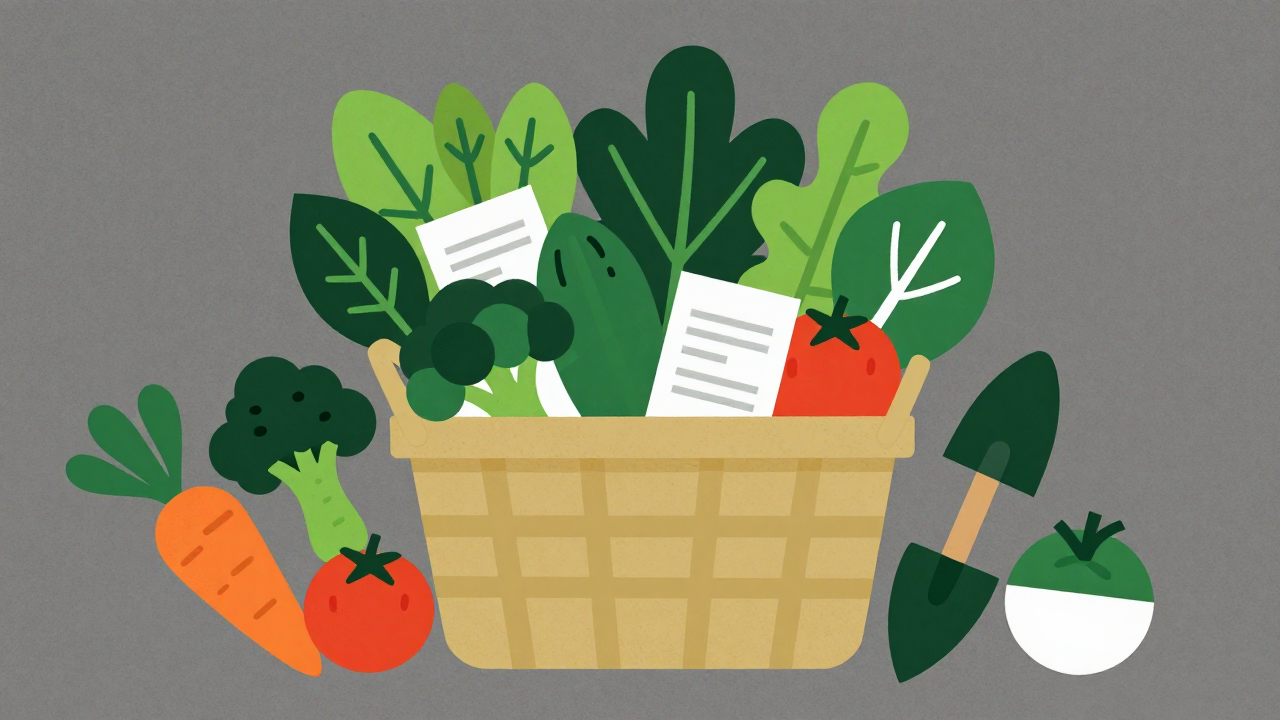
March is the perfect time to celebrate Veggie Month, a delightful observance dedicated to the vibrant world of vegetables. As the season begins to shift and fresh produce becomes more abundant, this month encourages everyone to embrace the colorful bounty that nature has to offer. From crunchy carrots to leafy greens, Veggie Month invites individuals and families alike to explore new flavors, experiment with recipes, and discover the numerous health benefits that vegetables provide.
During Veggie Month, communities often come together to share knowledge about sustainable eating and the importance of incorporating more plant-based foods into our diets. Local farmers' markets may see a rise in activity, with people eager to support local growers and learn about seasonal vegetables. Whether it's trying a new vegetable dish, participating in cooking classes, or even growing your own garden, Veggie Month serves as a reminder of the joy and nourishment that comes from eating a variety of fresh vegetables. So, let this month inspire you to celebrate health, creativity, and a deeper connection to the food we eat!
History
Veggie Month is observed throughout March, celebrating the importance of vegetables in our diets and promoting healthy eating habits. The origins of this observance can be traced back to the growing awareness in the late 20th century about the health benefits of a plant-based diet. As concerns over obesity, heart disease, and other lifestyle-related health issues became more prevalent, nutritionists and health advocates began to emphasize the role of vegetables in maintaining a balanced diet. This movement gained traction in the 1990s and early 2000s, leading to the formal recognition of Veggie Month as a time to encourage individuals to incorporate more vegetables into their meals.
Over time, Veggie Month has evolved into a platform for various organizations, including health groups, schools, and community organizations, to promote not only the consumption of vegetables but also the importance of sustainable agriculture. Initiatives such as local farmers' markets, community gardens, and school nutrition programs often align their activities with Veggie Month, aiming to educate the public about the benefits of consuming fresh, locally sourced vegetables. This observance has also coincided with the increasing popularity of vegetarian and vegan diets, with many people exploring plant-based alternatives and the positive environmental impacts of reducing meat consumption.
Culturally, Veggie Month holds significance as it aligns with the changing seasons in many regions, particularly in the Northern Hemisphere, where March marks the arrival of spring. As fresh produce begins to appear in markets, this month serves as a reminder to embrace seasonal eating and support local farmers. Many communities host events such as cooking classes, workshops, and festivals to celebrate this observance, creating opportunities for people to learn new recipes, engage with local produce, and understand the nutritional value of vegetables.
The observance of Veggie Month fosters a collective movement toward healthier eating habits and environmental sustainability. By focusing on the consumption of vegetables, individuals are encouraged to explore diverse cuisines and cooking methods, enhancing their culinary skills while promoting a diet rich in vitamins, minerals, and fiber. Through these efforts, Veggie Month not only highlights the importance of vegetables in our diets but also contributes to broader discussions about health, sustainability, and community well-being.