Universal Day of Culture
United Nations member states
About
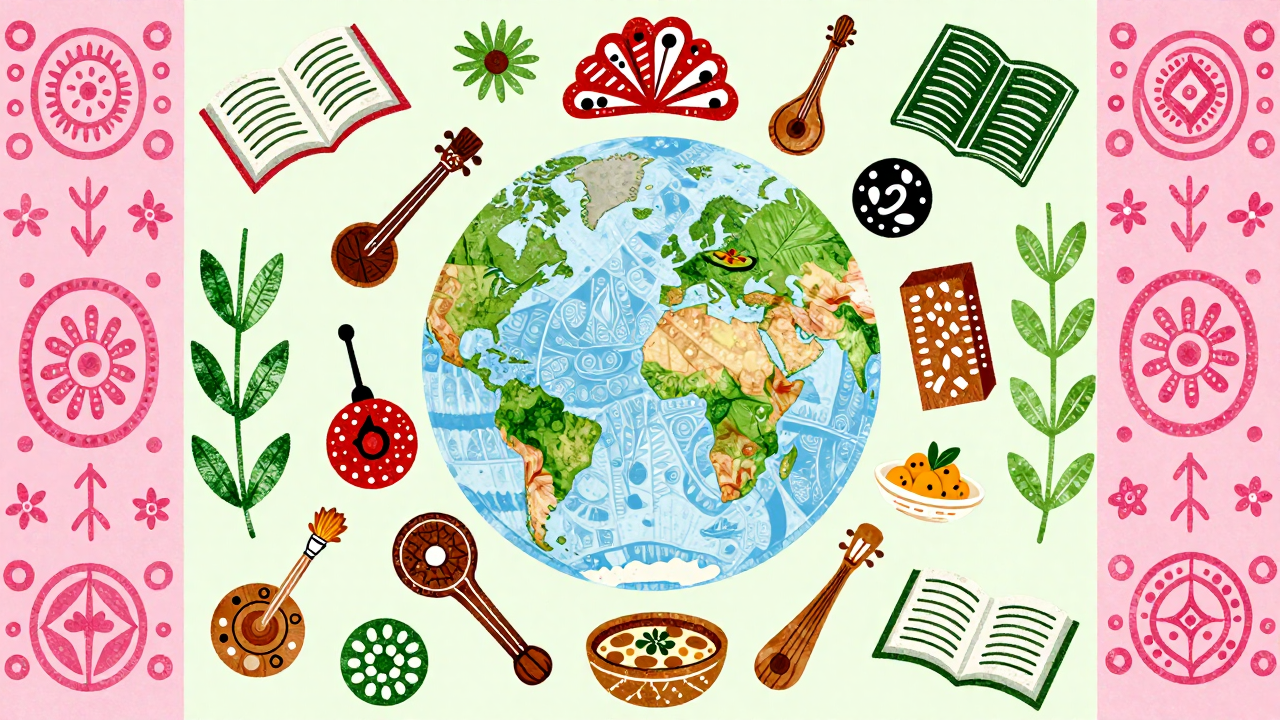
Universal Day of Culture, observed on April 15, is a delightful celebration that invites people from all walks of life to appreciate and embrace the rich tapestry of cultural diversity that exists around the globe. This special day serves as a reminder of the importance of culture in our lives, highlighting how it shapes our identities, connects us to our communities, and fosters understanding among different societies. Whether through art, music, literature, or culinary traditions, culture enriches our experiences and broadens our perspectives.
As we mark Universal Day of Culture, individuals and communities are encouraged to engage in activities that showcase and celebrate their unique cultural heritage. Festivals, performances, workshops, and exhibitions are just a few ways people can come together to share their stories and traditions. This observance not only honors the variety of cultures that make our world vibrant but also promotes dialogue and collaboration, emphasizing the beauty found in our differences. So, on April 15, take a moment to explore, appreciate, and celebrate the culture that surrounds you and the connections it fosters!
History
The Universal Day of Culture is observed on April 15 each year, a day dedicated to celebrating the diverse tapestry of cultures that enrich our global community. The origins of this observance can be traced back to a growing recognition of the importance of cultural heritage and the arts in fostering mutual understanding and respect among peoples. While the specific inception date of the Universal Day of Culture is not widely documented, it emerged in response to the increasing globalization of societies and the resultant need to promote cultural awareness and appreciation.
Over time, the Universal Day of Culture has evolved into an occasion for various events and activities that showcase the rich traditions, languages, and artistic expressions of different cultures. Initially celebrated in small, localized events, the observance has expanded to include international festivals, workshops, art exhibitions, and performances that highlight the unique characteristics of cultures from around the world. Educational institutions, community organizations, and cultural groups often participate by organizing activities that invite people to engage with and learn about different cultural practices, thereby fostering a spirit of inclusivity and collaboration.
The cultural significance of the Universal Day of Culture lies in its emphasis on the value of diversity and the role that cultural expression plays in shaping human experiences. By promoting awareness and appreciation of various cultural backgrounds, this observance encourages dialogue and understanding, which are essential in a world often divided by differences. Through music, dance, literature, and visual arts, individuals are invited to celebrate their own cultural identities while also recognizing and honoring the traditions of others.
As the Universal Day of Culture continues to be marked on April 15, its relevance remains poignant in today's interconnected world. The day serves not only as a reminder of the importance of preserving cultural heritage but also as an opportunity to inspire future generations to embrace and celebrate diversity. By recognizing and valuing the myriad cultures that exist globally, the observance contributes to a more harmonious and enriched society, where cultural differences are seen as strengths rather than barriers.