Union Day
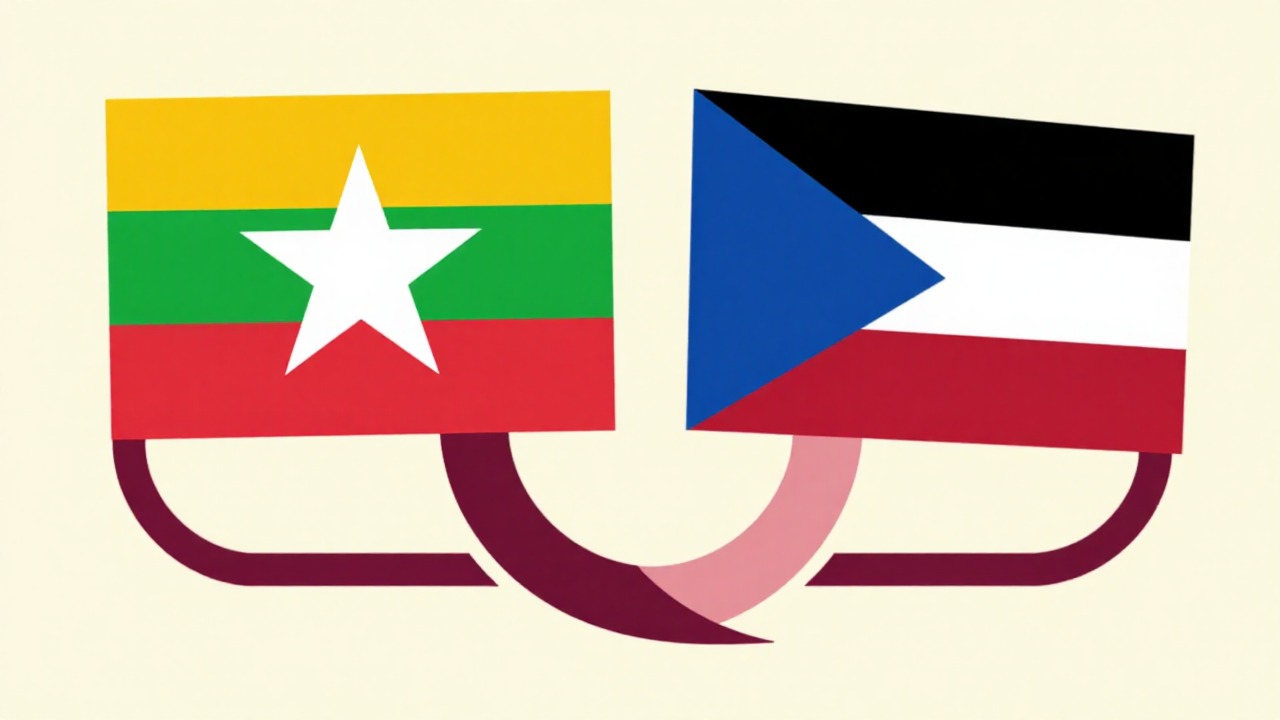
Myanmar, South Sudan
About
Union Day, observed on February 12, is a heartfelt celebration that honors the spirit of unity and togetherness. This day serves as a reminder of the strength found in collaboration and solidarity among individuals, communities, and nations. As people come together to commemorate this special occasion, it encourages reflection on the importance of working hand in hand for a common purpose, whether it be fostering relationships, building bridges across cultures, or advocating for peace.
The origins of Union Day are rooted in the desire to promote harmony and understanding. On this day, communities often engage in activities that highlight the significance of unity, such as community service projects, cultural events, and open dialogues. Families and friends gather to share stories, experiences, and aspirations, reinforcing the bonds that tie them together. As February 12 approaches, let us embrace the message of Union Day by celebrating our shared humanity and the collective strength we possess when we stand united.
History
Union Day, observed on February 12, commemorates a significant moment in the history of Myanmar (formerly known as Burma). The origins of this observance date back to 1947, shortly after the country gained independence from British colonial rule. The day marks the signing of the Panglong Agreement, which was a pivotal accord between the ethnic leaders of various groups, including the Shan, Kachin, and Chin, and the leaders of the Burman majority. This agreement was instrumental in unifying the different ethnic states within Myanmar and laid the foundation for a federal union.
Over the decades, Union Day has evolved from a political milestone into a broader celebration of national identity and unity. Initially focused on the political implications of the Panglong Agreement, the observance has grown to encompass a wider recognition of the diverse cultures and ethnicities present in Myanmar. The day serves as a reminder of the aspirations for peace, solidarity, and mutual respect among the country’s various ethnic communities.
Culturally, Union Day holds significant importance as it fosters a sense of belonging and collective identity among the citizens of Myanmar. Various festivities, including parades, cultural performances, and community gatherings, take place across the country on February 12. These events not only celebrate the historical significance of the day but also promote the values of national unity and cooperation among the different ethnic groups. The observance is an opportunity for people to reflect on the progress made toward inclusivity and the challenges that still lie ahead in achieving true unity within the nation.
Despite facing ongoing ethnic tensions and challenges to national cohesion, Union Day remains a vital observance in Myanmar. It emphasizes the importance of dialogue and reconciliation among the country's diverse populations. As Myanmar continues to navigate its complex socio-political landscape, Union Day serves as both a commemoration of its past and a hopeful reminder of the potential for a united future.