Twelfth Night
United Kingdom, United States, Spain, Mexico, France, Italy, Brazil
About
Twelfth Night, celebrated on January 5, marks the end of the festive Christmas season and invites revelers to embrace the joy and merriment of the holidays one last time. This enchanting observance has its roots in medieval England, where it was traditionally associated with the Feast of Epiphany, commemorating the visit of the Magi to the Christ Child. As the twelfth night following Christmas, it serves as a poignant reminder of the spirit of giving and the warmth of community, encouraging people to gather with family and friends in celebration.
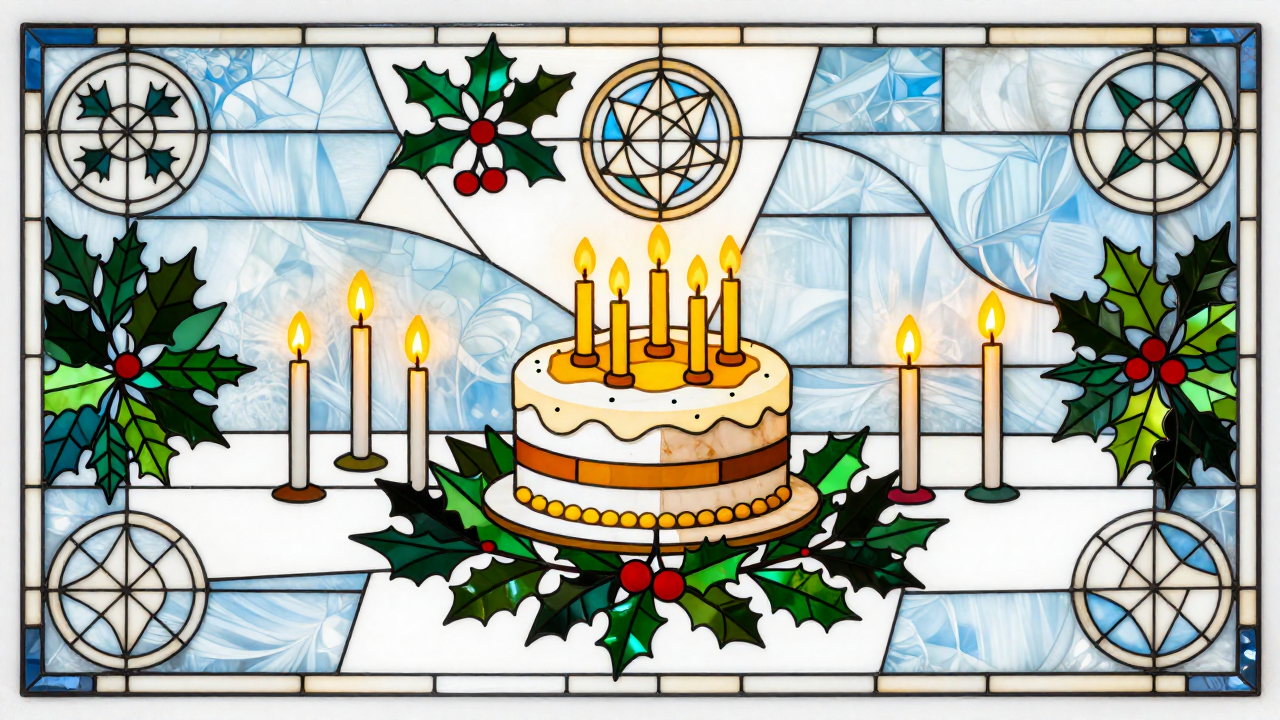
The festivities of Twelfth Night often include feasting, singing, and playful revelry, with many participants enjoying a slice of the iconic Twelfth Night cake, which typically contains a hidden token. Finding the token is said to bestow good luck for the year ahead, adding an element of excitement to the occasion. In addition, it is a time when people engage in merrymaking, dressing in costumes, and even performing plays, reviving a sense of whimsy and creativity that harkens back to the traditions of old. As January 5 approaches, embrace the joy of Twelfth Night and let its spirit of celebration fill your heart and home one last time before the winter season settles in.
History
Twelfth Night, observed on January 5, marks the culmination of the Christmas festivities and traditionally signifies the end of the Twelve Days of Christmas. Its origins can be traced back to the medieval period in Europe, particularly within the Christian tradition. The name "Twelfth Night" refers to the twelfth night after Christmas Day, which is celebrated as the Feast of the Epiphany, commemorating the visit of the Magi to the infant Jesus. This observance was significant in both religious and cultural contexts, intertwining the celebration of Christ's revelation with the joys of winter festivities.
Historically, Twelfth Night was characterized by revelry and merriment, often involving feasting, dancing, and various forms of entertainment. In the 16th century, it became a pivotal occasion for social inversion, where societal norms could be temporarily suspended. People would partake in masquerades and games, and a "Lord of Misrule" might be appointed to preside over the festivities, leading to a playful chaos that subverted social hierarchies. This celebratory atmosphere was marked by a sense of community and joy, allowing people to engage in lighthearted mischief before the return to normalcy after the holiday season.
As time progressed, the observance of Twelfth Night evolved, particularly during the Renaissance, when it gained prominence in literature and the arts. William Shakespeare's play "Twelfth Night," written around 1601, highlights the themes of love, mistaken identities, and the joyous spirit of the holiday. The play reflects the traditions of the time, incorporating the revelry and festive spirit associated with the celebration. Over the centuries, the observance has maintained its festive character, though modern interpretations may vary, with some focusing more on the theatrical aspects and others emphasizing the religious significance of the day.
Culturally, Twelfth Night has become an important part of various traditions around the world, influencing customs and practices. In some regions, it is customary to prepare special foods, such as the "King Cake," which has its roots in the celebration of Epiphany. The cake often contains a hidden figurine or a coin, with the person who finds it being crowned as the king or queen for the day, further enhancing the festive and communal spirit. In contemporary times, Twelfth Night continues to be celebrated both in religious contexts and as a cultural event, reflecting the enduring significance of this rich tradition observed on January 5.