Tubers and Dried Fruit Month
About
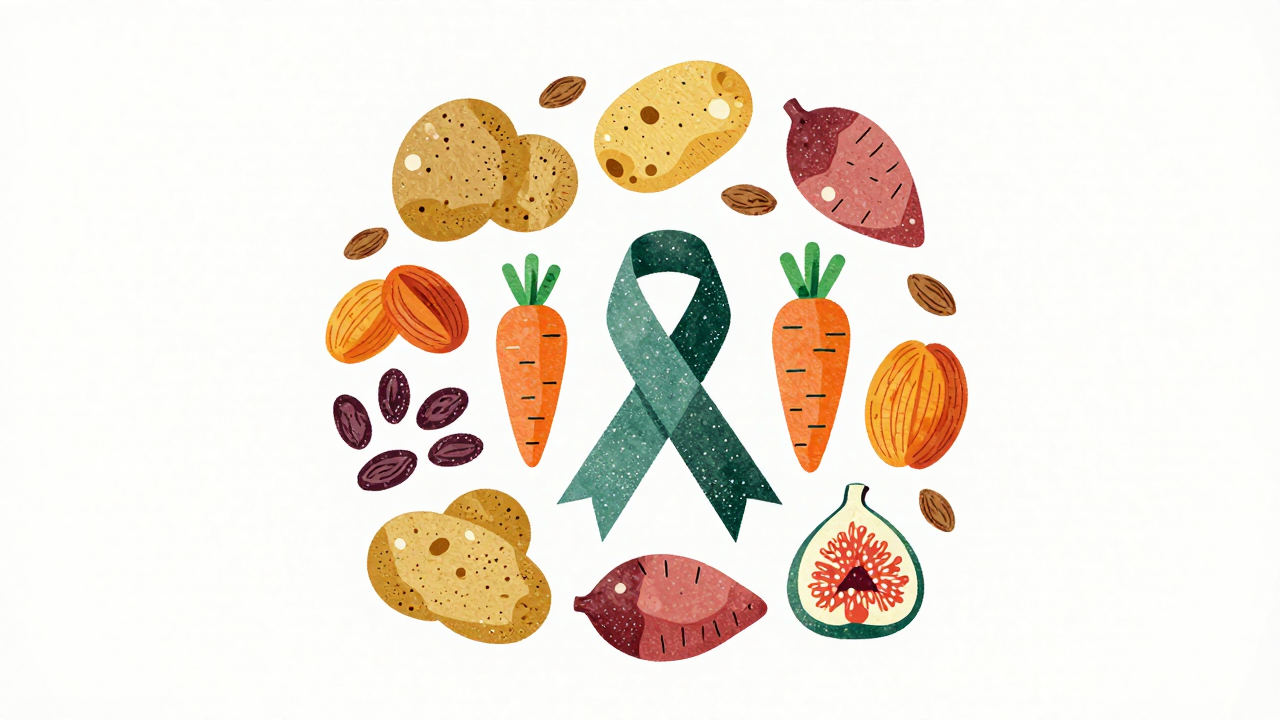
January is a wonderful time to celebrate Tubers and Dried Fruit Month, a delightful observance that invites everyone to explore the rich and diverse world of tubers and dried fruits. As the year begins, this month encourages us to appreciate the various flavors, textures, and nutritional benefits these natural foods offer. From the humble potato to the vibrant sweet potato, tubers are versatile ingredients that can be prepared in countless ways, whether mashed, roasted, or turned into comforting soups. Their hearty nature makes them perfect for winter meals, providing warmth and satisfaction during the chilly days of January.
Dried fruits, on the other hand, bring a touch of sweetness and convenience that complements our diets beautifully. Whether you're snacking on raisins, apricots, or figs, these nutrient-dense treats are packed with vitamins and minerals, making them a fantastic addition to breakfast cereals, salads, and baked goods. Tubers and dried fruits not only enhance our culinary experiences but also connect us to traditions and cultures that have celebrated these foods for generations. So, this January, take a moment to explore new recipes, try different varieties, and savor the delicious simplicity of tubers and dried fruits while embracing the warmth of the season.
History
Tubers and Dried Fruit Month is celebrated throughout January as a way to highlight the nutritional benefits and culinary versatility of tubers and dried fruits. The observance encourages people to incorporate these wholesome foods into their diets, especially during the colder winter months when fresh produce may be less accessible. The origins of this celebration can be traced back to a growing awareness of the importance of healthy eating and local agriculture. As more individuals began to seek out seasonal foods, tubers such as potatoes, sweet potatoes, and yams gained recognition for their hearty qualities, while dried fruits like raisins, apricots, and figs became popular for their long shelf life and concentrated flavors.
Over time, this observance has evolved to reflect broader dietary trends and the increasing popularity of plant-based diets. With the rise of health-conscious eating in the late 20th and early 21st centuries, the appreciation for the nutritional value of tubers and dried fruits has grown significantly. These foods are rich in vitamins, minerals, and fiber, making them ideal for those looking to maintain a balanced diet. Additionally, the versatility of these ingredients allows for a wide range of culinary applications, from savory dishes to sweet snacks, further solidifying their place in modern cuisine.
Culturally, Tubers and Dried Fruit Month serves as a reminder of the connection between food and health, as well as the importance of seasonal eating. Many cultures around the world have long celebrated the harvest of tubers and the preservation of fruits through drying, which has allowed communities to sustain themselves during harsh winters. This observance encourages individuals to explore traditional recipes and cooking methods, fostering a sense of community and shared heritage around food. Moreover, it promotes local farming practices and supports farmers who grow these essential crops, highlighting the importance of sustainable agriculture.
In summary, Tubers and Dried Fruit Month is not just a celebration of food; it is an acknowledgment of the historical significance and nutritional benefits of these ingredients. By encouraging people to incorporate tubers and dried fruits into their diets, this observance plays a vital role in promoting health, sustainability, and cultural appreciation within communities as they adapt to seasonal changes and the challenges of winter.