Trinity Sunday
United Kingdom, United States, Canada, Australia, New Zealand, South Africa, Ireland
About
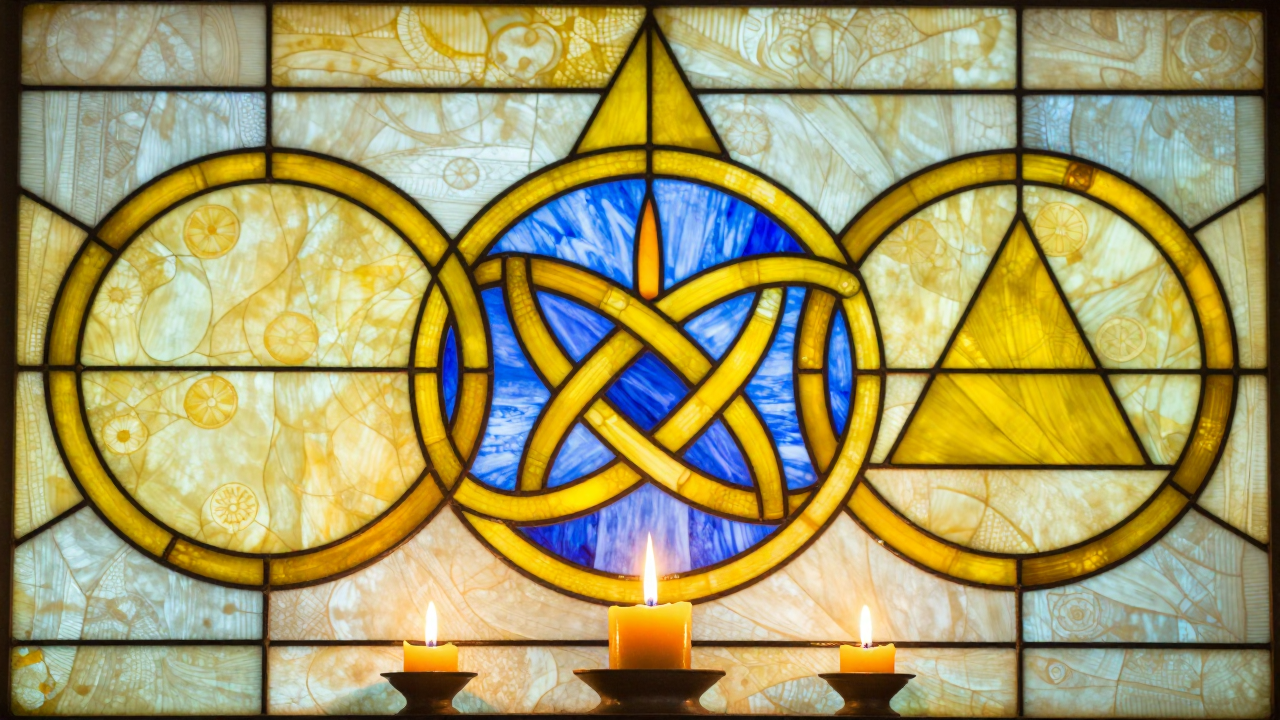
Trinity Sunday, observed on June 20, is a special day in the Christian liturgical calendar dedicated to celebrating the Holy Trinity: the Father, the Son, and the Holy Spirit. This observance invites believers to reflect on the profound mystery of God's triune nature, emphasizing the interconnectedness of these three divine persons. It comes after Pentecost, a time when many Christians celebrate the gift of the Holy Spirit, thus providing a moment to contemplate the unity and diversity of God’s presence in the world.
On this day, congregations often gather for special services that highlight teachings related to the Trinity through scripture, hymns, and prayers. The warmth of community and shared faith is palpable as individuals come together to deepen their understanding of this core tenet of Christianity. Whether through sermons that illuminate the Trinity's significance or through personal meditation, Trinity Sunday serves as an enriching opportunity for spiritual growth and connection. So, as June 20 approaches, many look forward to this meaningful day that celebrates the essence of their faith and the loving relationship that God fosters with humanity.
History
Trinity Sunday is a Christian observance celebrated on June 20, marking the first Sunday after Pentecost. Its origins trace back to the early Church, with the formal recognition of the Trinity—Father, Son, and Holy Spirit—emerging as a central tenet of Christian doctrine over several centuries. The observance is rooted in the theological developments of the early Christian community, which sought to articulate and affirm the nature of God as a triune entity. The Feast of the Trinity was established in the Western Church in the 10th century, gradually becoming a significant point of reflection on the mystery of the Trinity and its implications for faith and practice.
As the observance evolved, it became more structured within the liturgical calendar. By the 14th century, the celebration of Trinity Sunday was firmly established in the Roman Catholic Church, reflecting a growing desire to celebrate the doctrine not just as an abstract theological concept but as a vital part of the Christian faith. The Anglican and Lutheran traditions also adopted Trinity Sunday, further solidifying its importance across various denominations. In the context of the liturgical year, Trinity Sunday serves as a transition from the Easter season into Ordinary Time, emphasizing the ongoing presence and work of the Trinity in the life of the Church.
Culturally, Trinity Sunday holds significance beyond its liturgical observance. It invites congregations to explore the relational nature of God, fostering a deeper understanding of community and unity within the Church. Many clergy use this Sunday to preach on themes of relationship, love, and the interconnectedness of believers, paralleling the relationship of the Father, Son, and Holy Spirit. This emphasis on the relational aspect of the Trinity has influenced various community activities and discussions within congregations, often leading to initiatives that promote fellowship and mutual support among church members.
In contemporary practice, Trinity Sunday is marked by special liturgical texts, hymns, and prayers that celebrate the triune nature of God. The observance encourages reflection on the significance of the Trinity in everyday life, urging believers to consider how this fundamental doctrine shapes their faith and interactions with others. By recognizing Trinity Sunday on June 20, Christians worldwide reaffirm their commitment to understanding and living out the implications of this profound aspect of their faith, fostering a sense of unity that resonates deeply within their communities.