Thaipusam
India, Malaysia, Singapore, Mauritius, Sri Lanka, Thailand, Indonesia
About
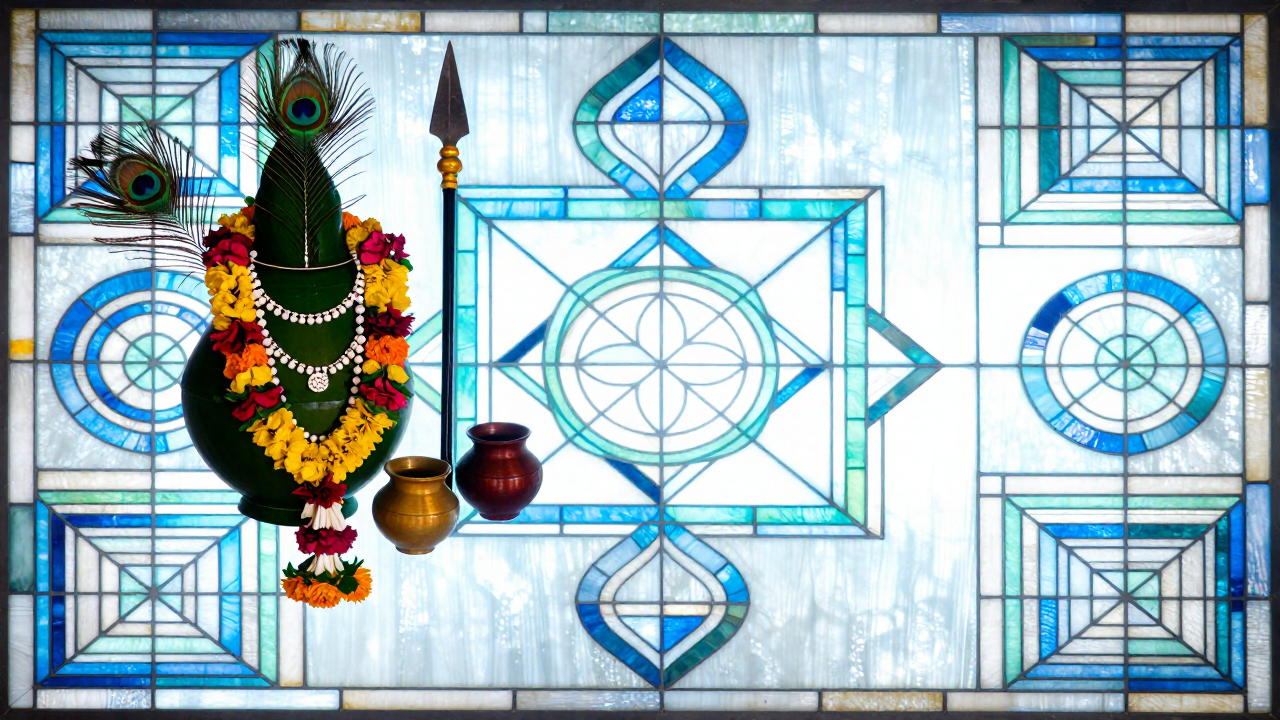
Thaipusam, celebrated on January 22, is a vibrant and deeply spiritual festival observed predominantly by the Tamil community around the world. This remarkable occasion honors Lord Murugan, the Hindu god of war, and commemorates the occasion when Parvati, his mother, gave him a powerful spear to vanquish the evil demon Soorapadman. The festival is a testament to devotion, faith, and the pursuit of spiritual enlightenment, attracting devotees who engage in various acts of penance and offerings as a means of expressing their gratitude and devotion.
As participants prepare for Thaipusam, many undertake rigorous acts of devotion, which can include fasting, carrying kavadis—ornate structures borne on the shoulders—and piercing their bodies with hooks and skewers. These acts, while intense, are performed with a sense of reverence and deep commitment to their faith. The atmosphere is filled with colorful processions, the sounds of traditional music, and the aroma of fragrant offerings, creating an environment of celebration and community spirit. On this day, families and friends come together, not only to honor their beliefs but also to strengthen their bonds, making Thaipusam a truly heartwarming observance that exemplifies the power of devotion and the shared human experience.
History
Thaipusam is a significant Hindu festival celebrated primarily by the Tamil community around the world, particularly in India, Malaysia, and Singapore. The observance is dedicated to Lord Murugan, the son of Lord Shiva and Goddess Parvati. The name "Thaipusam" derives from the Tamil month of "Thai" and "Pusam," which refers to the star Pusam, which is believed to be auspicious for the worship of Lord Murugan. Thaipusam is celebrated on January 22, marking the day when devotees express their gratitude and seek blessings from the deity.
The origins of Thaipusam can be traced back to the ancient Hindu texts and the mythology surrounding Lord Murugan. According to legend, the festival commemorates the occasion when Parvati gifted a divine spear (vel) to Lord Murugan to vanquish the demon Soorapadman, symbolizing the victory of good over evil. This narrative not only emphasizes the power of devotion and faith but also highlights the importance of overcoming personal obstacles and challenges through spiritual strength.
Over time, Thaipusam has evolved into a grand festival characterized by various rituals and traditions. In the early days, the observance was mainly limited to specific communities in Tamil Nadu, India. However, as Tamil migration spread to different parts of the world, particularly during the colonial era, Thaipusam took on a more global significance. Today, it is celebrated with fervor in countries like Malaysia, where large processions and elaborate rituals attract thousands of devotees. The festival often includes acts of penance, such as carrying kavadis—ornamental structures attached to the body through hooks and pins, symbolizing the devotee's commitment and faith.
Culturally, Thaipusam serves as a unifying force for the Tamil community, fostering a sense of identity and belonging. It is a time for communal gatherings, prayers, and celebrations, where participants engage in singing devotional songs, reciting prayers, and sharing traditional foods. The festival also highlights the rich traditions of Tamil culture, showcasing vibrant processions, elaborate decorations, and the intricate artistry involved in creating kavadis. Overall, Thaipusam is not just a religious observance; it is a vibrant celebration of faith, resilience, and the enduring spirit of the Tamil people, deeply rooted in their history and cultural heritage.