Texas Day
United States
About
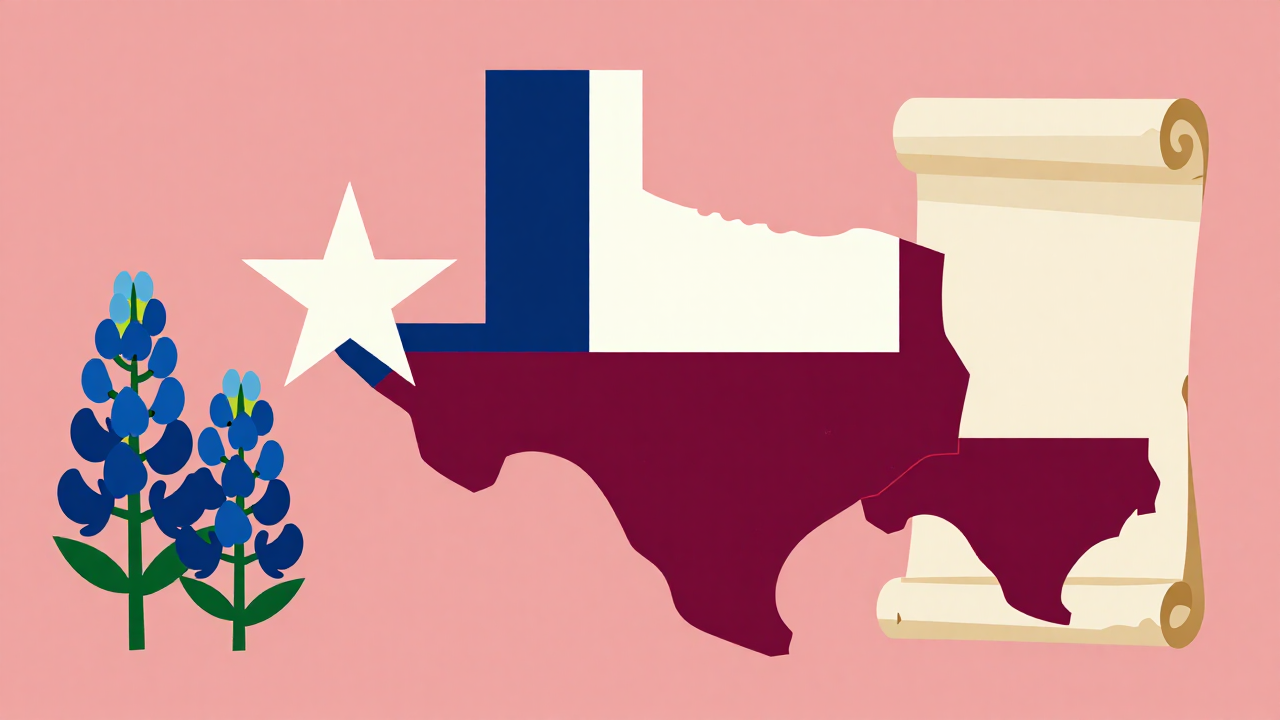
Texas Day, celebrated on February 1, is a vibrant occasion that honors the rich history and cultural heritage of the Lone Star State. This day marks the anniversary of the adoption of the Texas Declaration of Independence in 1836, when Texas declared its freedom from Mexico. It is a time for Texans and admirers of the state to come together and celebrate the spirit of independence, bravery, and the unique identity that has shaped Texas over the years.
On this special day, festivities often include community gatherings, parades, and educational events that highlight Texas's storied past, its diverse cultures, and its contributions to the nation. From the iconic bluebonnets to the delicious flavors of Tex-Mex cuisine, Texas Day invites everyone to engage with the traditions and values that make Texas truly one-of-a-kind. Whether you're a lifelong resident or a curious visitor, Texas Day is an opportunity to embrace and appreciate the state's proud legacy and the warm hospitality of its people.
History
Texas Day, observed annually on February 1, commemorates the adoption of the Republic of Texas's Declaration of Independence from Mexico in 1836. This significant event marked a pivotal moment in Texas history, as it established the region's identity and desire for self-governance. The choice of February 1 for this observance directly connects to the date in 1846 when Texas officially joined the United States as the 28th state. This dual significance underscores February 1 as a day of reflection and celebration for Texans, acknowledging both their fight for independence and their eventual statehood.
The origins of Texas Day can be traced back to the early 20th century, when local communities began to celebrate their heritage and the history of the Republic of Texas. As citizens sought to honor their roots and the sacrifices made by early settlers, various events and activities emerged, including parades, reenactments, and educational programs. Over the years, these celebrations have evolved, incorporating elements of Texan culture, such as traditional music, food, and storytelling, aimed at fostering a sense of pride and unity among residents.
Culturally, Texas Day serves as a reminder of the state's rich and diverse history, which includes influences from Native American, Spanish, Mexican, and Anglo cultures. The observance encourages Texans to explore their heritage and instills a sense of belonging and community. Festivals often feature local artisans, showcasing crafts that reflect the state's unique traditions, while local schools engage students in learning about the historical events that led to Texas's independence and statehood. This day not only honors the past but also reinforces the values of resilience and independence that many Texans hold dear.
As Texas Day continues to be celebrated each February 1, it remains a vital part of the state's cultural identity. The observance has adapted to modern times, utilizing social media and community involvement to reach a broader audience. Today, it encompasses a wide range of activities that highlight Texas's unique spirit, ensuring that the legacy of its history is preserved and passed down to future generations.