Static Electricity Day
United States
About
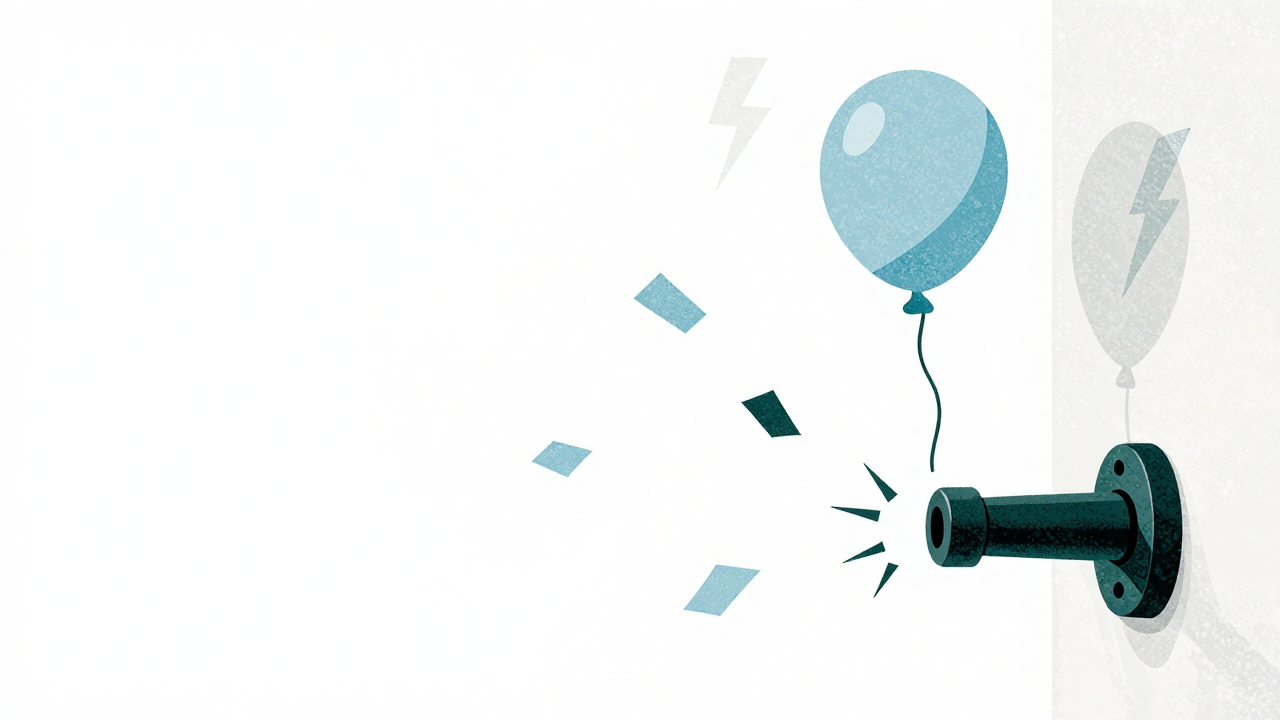
Static Electricity Day, celebrated on January 9, invites us to marvel at the fascinating world of electricity that surrounds us. This quirky observance sheds light on the invisible forces that play a vital role in our everyday lives. From the little shocks we receive when we touch a doorknob after walking across a carpet to the stunning displays of lightning in the sky, static electricity is a phenomenon that captures our curiosity and reminds us of the wonders of science.
On this day, individuals are encouraged to explore the principles of static electricity and engage in fun experiments, making it a perfect opportunity for families and educators to spark interest in the fields of physics and engineering. Whether you’re creating static electricity with a simple balloon or observing the way hair stands on end, Static Electricity Day is a delightful reminder of the power of nature and the science that explains it. So, gather your loved ones, get creative, and celebrate the electrifying magic that static electricity brings to our lives!
History
Static Electricity Day is observed annually on January 9, celebrating the fascinating phenomenon of static electricity and its impact on everyday life. The origins of this observance can be traced back to the early explorations of electricity itself. Pioneers such as Benjamin Franklin and William Gilbert laid the groundwork for understanding static electricity in the 17th and 18th centuries. Franklin's famous kite experiment in 1752 demonstrated the connection between lightning and electricity, captivating the public's imagination and prompting further inquiry into electrical science.
As knowledge of static electricity grew, so did its applications in various fields. The late 19th and early 20th centuries saw significant advancements in electrical engineering and technology, leading to the invention of numerous devices powered by electricity. Static electricity found its place in everyday life, from the simple act of rubbing a balloon on hair to create an amusing shock, to practical applications in industries such as electronics and manufacturing. Celebrating Static Electricity Day on January 9 serves as a reminder of these scientific milestones and encourages curiosity about the fundamental forces of nature.
Over time, the observance of Static Electricity Day has evolved into a fun and educational opportunity. Schools and science centers often organize activities and demonstrations to engage students and the public in the wonders of static electricity. This day promotes hands-on learning experiences that illustrate concepts such as electric charge, conductivity, and the behavior of electrons. Additionally, it fosters an appreciation for the science behind everyday occurrences, making it accessible and relatable to people of all ages.
Culturally, Static Electricity Day highlights the intersection of science and daily life. It encourages individuals to explore the principles of physics that govern the world around them. In a time when technology is ever-present, understanding the basics of electricity can empower people to engage more thoughtfully with the devices they use. Celebrating this day not only honors the scientific discoveries of the past but also inspires future generations to explore and innovate in the field of science, ensuring that the legacy of inquiry and discovery continues well beyond January 9 each year.