St. Piran’s Day
United Kingdom
About
St. Piran’s Day, celebrated on March 5, is a cherished holiday that honors the patron saint of Cornwall, a region in the southwest of England known for its stunning landscapes and rich cultural heritage. The day commemorates St. Piran, who is believed to have arrived in Cornwall from Ireland in the 5th century. He is renowned for his role in introducing Christianity to the local people and is often associated with the region's tin mining industry. His legacy is celebrated with a sense of pride and unity among the Cornish, who take this opportunity to embrace their unique identity and traditions.
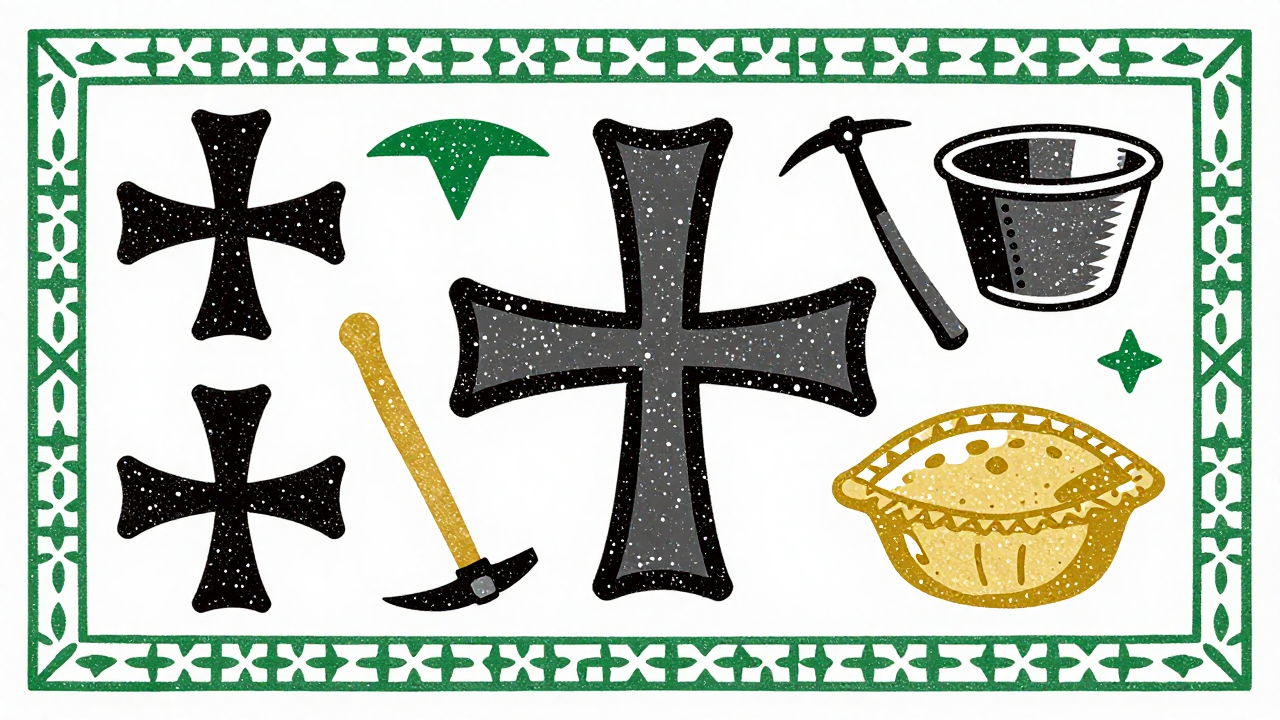
On this delightful day, festivities abound as communities come together to celebrate Cornish culture. Parades featuring traditional music, dance, and colorful costumes fill the streets, while local delicacies, such as the beloved Cornish pasty, are enjoyed by many. The Cornish flag, adorned with its simple white cross on a black background, is proudly displayed, symbolizing the region's rich history and the spirit of its people. St. Piran’s Day serves not only as a time to remember the saint himself but also as a joyous occasion to reflect on the cultural heritage and community ties that bind the people of Cornwall together.
History
St. Piran’s Day, observed on March 5, celebrates the patron saint of Cornwall, England. The origins of this observance trace back to the early medieval period, around the 5th century, when St. Piran is believed to have arrived in Cornwall after being cast out of Ireland. According to legend, he brought with him the knowledge of tin smelting, which was a significant industry in the region. St. Piran is often depicted with a black cross on a white background, which has become a symbol of Cornwall and is featured on the Cornish flag. The day is not only a religious observance but also a celebration of Cornish identity and heritage.
Over the centuries, St. Piran’s Day has evolved from a primarily religious celebration into a broader cultural event that emphasizes Cornish pride. Initially marked by church services and local gatherings, the observance began to incorporate more secular festivities by the 19th century. As Cornwall experienced a revival of interest in its Celtic heritage, St. Piran’s Day became a focal point for celebrating Cornish culture, language, and traditions. Today, it often includes parades, music, dancing, and traditional Cornish food, showcasing the region's unique customs and community spirit.
The cultural significance of St. Piran’s Day extends beyond its historical roots; it has become a symbol of Cornish nationalism and pride. Many Cornish people view the day as an opportunity to assert their identity and promote the distinctiveness of their culture within the United Kingdom. Events often feature Cornish songs, poetry, and displays of the Cornish language, reflecting a deep connection to the region’s past. Schools and community groups frequently participate in activities that educate the younger generation about their heritage, ensuring that the legacy of St. Piran lives on.
In recent years, St. Piran’s Day has gained recognition beyond Cornwall, with celebrations occurring in various parts of the world where Cornish immigrants have settled. This global acknowledgment speaks to the enduring influence of St. Piran as a symbol of resilience and community. Observed on March 5, St. Piran’s Day serves as both a historical commemoration and a vibrant celebration of Cornish culture, inviting all to partake in the festivities and honor the legacy of a saint who has become a beacon of regional pride.