St. George's Day
United Kingdom, Georgia, Portugal, Malta, Bulgaria
About
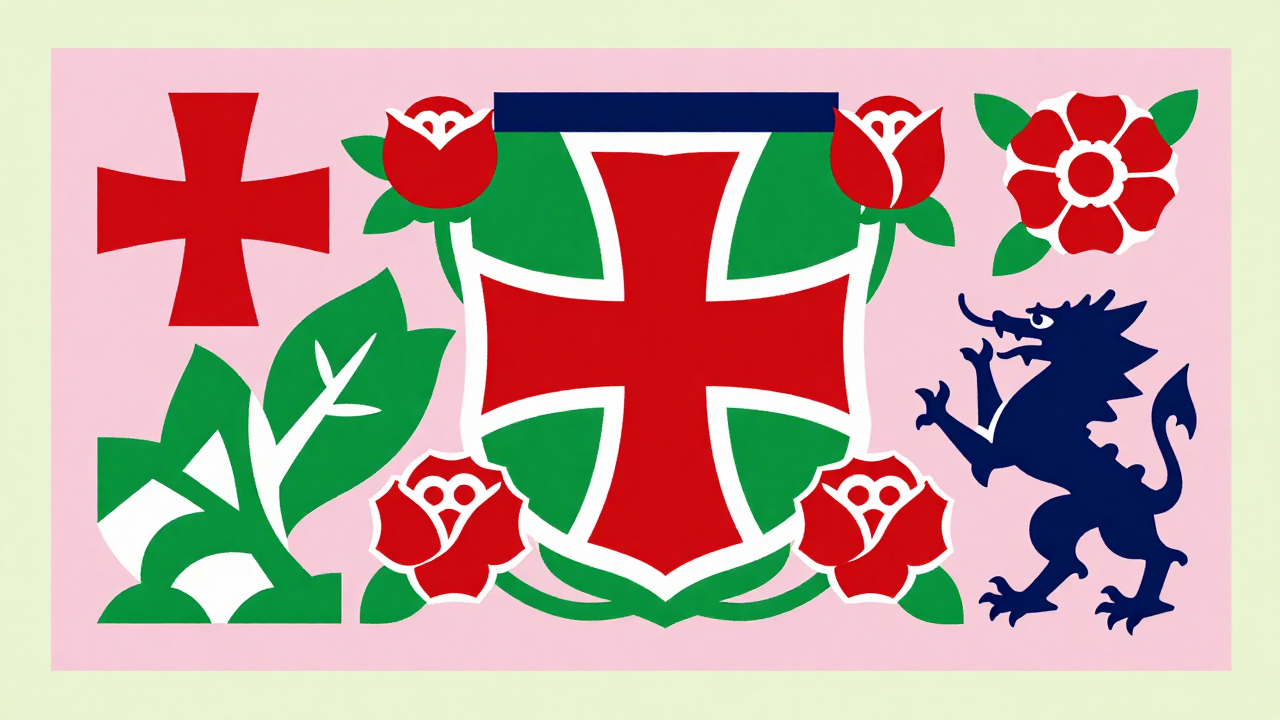
St. George's Day, celebrated on April 23, is a cherished occasion that honors St. George, the patron saint of England. This day is steeped in history and legend, famously associated with the tale of St. George slaying a dragon, symbolizing the triumph of good over evil. For many, it is a time to reflect on national pride and the rich tapestry of English culture and heritage. Communities across England come together to celebrate, often adorned with the emblematic red rose and flags featuring St. George’s cross.
Festivities typically include parades, cultural events, and traditional feasts, showcasing the best of English cuisine. From hearty pies to delightful pastries, the food is as much a part of the celebration as the stories of bravery and valor associated with St. George. Many people also take this opportunity to engage in local community activities, fostering a spirit of camaraderie and connection. As April 23 approaches, the air fills with excitement, inviting everyone to join in the celebration of this historic figure who has become a symbol of courage and resilience for generations.
History
St. George's Day, observed annually on April 23, commemorates the feast day of St. George, the patron saint of England and several other countries. The origins of this observance trace back to the early Christian centuries, with St. George being a figure of veneration in the Christian tradition. He is often depicted as a soldier who was martyred for his faith, with the legend of his battle against a dragon symbolizing the triumph of good over evil. The earliest recorded celebration of St. George's Day as a feast day dates to the 12th century, when King Edward III declared St. George the patron saint of England in 1348, leading to an increase in the observance's significance within the English cultural and religious landscape.
Over the centuries, St. George's Day has evolved from a primarily religious observance into a day of national pride and cultural celebration, particularly in England. During the medieval period, the day was marked by church services and feasting, with various local customs emerging. These included parades and the display of the St. George's Cross, a red cross on a white background, which became a symbol of English identity. By the 18th century, St. George’s Day began to be embraced as a day for English nationalists, with various organizations and groups adopting it as a celebration of English heritage and culture.
Cultural significance surrounding St. George's Day has grown, particularly in the 21st century, as people have sought to revive and promote English traditions. Celebrations can include parades, the wearing of symbolic red roses, and various festive events that showcase English music, dance, and food. The day also emphasizes community gatherings and local pride, reflecting a broader interest in regional identity within England. In some areas, the observance has been accompanied by a surge in activities aimed at promoting awareness of English folklore and history, associating St. George with concepts of bravery and chivalry.
While St. George's Day is not a public holiday in England, it holds a special place within the hearts of many who celebrate it. The day serves as a reminder of England's rich history and cultural traditions, fostering a sense of unity and national identity. As April 23 approaches each year, various events and gatherings are organized, contributing to the ongoing legacy of St. George and the significance of his feast day in modern English society.