

Cultural Week
Spring Festival Golden Week holiday
A week that starts on January 4 every year. Next: in 55 days
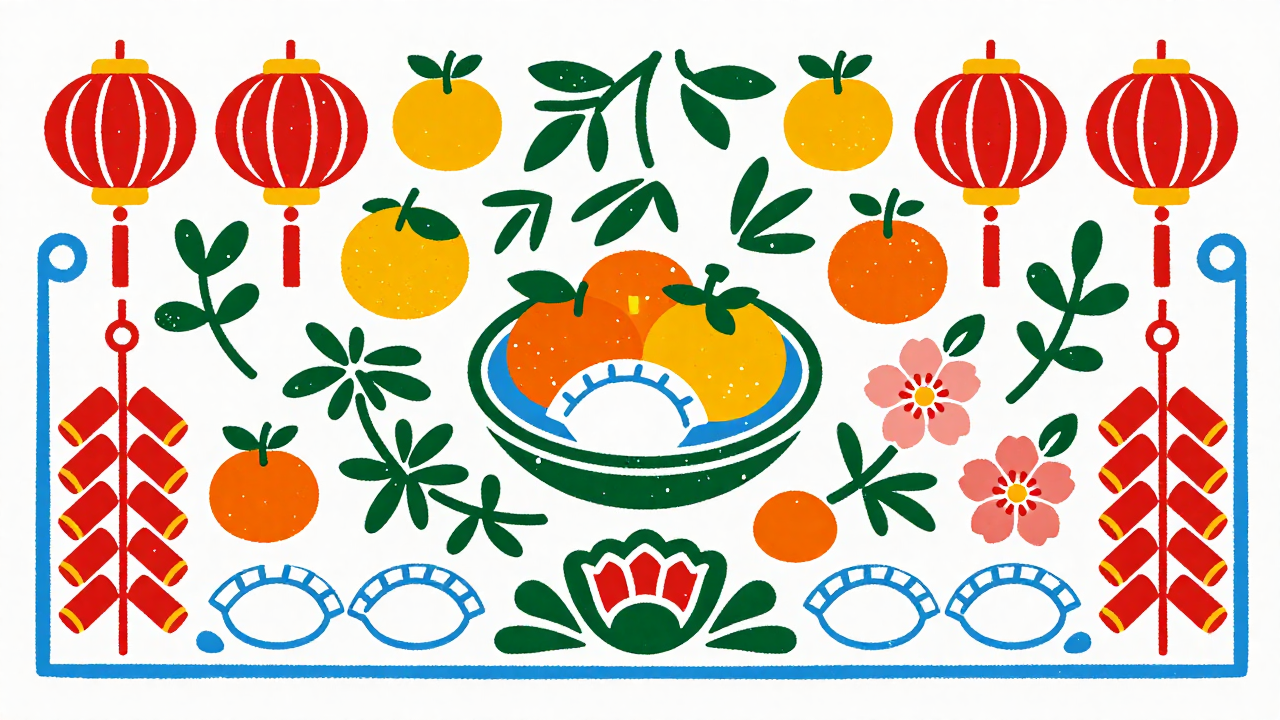
What it’s about
The Spring Festival Golden Week holiday is a vibrant and cherished observance celebrated in January, marking the arrival of the Lunar New Year. This festive week is a time when families come together to honor traditions, enjoy sumptuous feasts, and participate in joyful festivities. The air is filled with excitement as people engage in various activities that symbolize good fortune, happiness, and the renewal of life. It is a period of joy, where communities unite to celebrate the rich cultural heritage that has been passed down through generations.
During the Spring Festival Golden Week, the streets come alive with colorful decorations, dragon and lion dances, and the sound of firecrackers welcoming the new year. Families gather to share traditional meals, with dishes carefully prepared to bring luck and prosperity for the year ahead. It’s also a time for giving, as exchanging red envelopes filled with money is a common practice symbolizing good wishes. This week is not just a celebration of the new year; it is a heartfelt expression of love, unity, and hope for the future, making it a truly special time for all who partake in the festivities.
A little history
The Spring Festival Golden Week holiday, a significant cultural observance, originated from the traditional Chinese New Year celebrations. The Spring Festival itself has roots that stretch back thousands of years, with its origins tied to ancient agricultural practices and the lunar calendar. Historically, this period was marked by various rituals aimed at ensuring a prosperous new year, including family reunions, feasts, and ceremonies to honor ancestors. The Golden Week, as it is popularly known today, encompasses a week in January during which many people in China, and around the world in Chinese communities, take time off to celebrate the New Year, reflecting on familial bonds and cultural heritage.
Over time, the Spring Festival Golden Week has evolved into a modern holiday that not only emphasizes traditional practices but also accommodates contemporary social and economic dynamics. In 1999, the Chinese government officially designated the week-long holiday to boost domestic tourism and encourage family gatherings. This decision transformed the observance into a period of significant travel, with millions of people returning to their hometowns, making it one of the largest annual human migrations in the world. The Golden Week has thus become a time for both cultural reflection and economic activity, as families come together to celebrate, share meals, and partake in festive customs.
Culturally, the Spring Festival Golden Week holiday holds immense significance. It is a time for renewal and hope, symbolizing new beginnings that accompany the lunar New Year. Traditional practices during this week include cleaning houses to sweep away bad luck, decorating with red lanterns and couplets, and preparing special foods such as dumplings and fish, which symbolize prosperity. Moreover, the celebration fosters a sense of community and belonging as people engage in public festivities, including temple fairs, dragon dances, and fireworks, all of which serve to reinforce cultural identity and heritage.
In contemporary society, the Spring Festival Golden Week has also adapted to the changing landscape of modern life. While maintaining its deep-rooted traditions, it has embraced technological advancements, with online shopping and digital celebrations becoming increasingly popular. Social media has allowed families separated by distance to connect virtually, sharing their traditions and festivities in new ways. As it stands, the Spring Festival Golden Week holiday is not only a celebration of the past but also a vibrant observance that continues to evolve, reflecting the values and aspirations of modern Chinese society.
Timeline
- 1949
The People's Republic of China was established, and the Spring Festival began to gain prominence as a national holiday, reflecting the new government's efforts to promote traditional culture.
- 1980
The Chinese government officially designated the Spring Festival as a public holiday, allowing for extended celebrations and travel.
- 1999
The Spring Festival Golden Week was introduced, providing a seven-day holiday for workers, which encouraged domestic tourism and economic activity.
- 2008
The Beijing Olympics prompted increased attention to the Spring Festival, leading to enhanced travel infrastructure and tourism during the holiday.
- 2020
The COVID-19 pandemic significantly impacted Spring Festival celebrations, leading to travel restrictions and a shift towards virtual gatherings.
- 2023
As restrictions eased, the Spring Festival saw a resurgence in travel and celebrations, marking a return to traditional festivities after the pandemic.
More like this
 Just for fun
Adopt a Rescued Bird Month
January is a time for new beginnings, and what better way to embrace the spirit of renewal than by celebrating Adopt a Rescued Bird Month? This special observance shines a…
 Just for fun
Apple and Apricot Month
Apple and Apricot Month, celebrated on January 1, is a delightful homage to two of nature's most beloved fruits. As the New Year dawns, this month invites us to embrace the…
 Awareness
Apple Gifting Day
Apple Gifting Day, celebrated on January 1st, invites individuals and families to begin the new year with a sweet and wholesome tradition that symbolizes health, friendship, and…