Spiritual Baptist Liberation Day
Trinidad and Tobago
About
Spiritual Baptist Liberation Day, celebrated on March 30, is a vibrant and significant observance that honors the rich heritage and resilience of the Spiritual Baptist community, particularly in Trinidad and Tobago. This day commemorates the 1917 decision by the colonial government to allow Spiritual Baptists to practice their faith openly, following years of persecution and suppression. The liberation from oppression marked a turning point for the community, empowering them to express their beliefs freely and celebrate their cultural identity without fear.
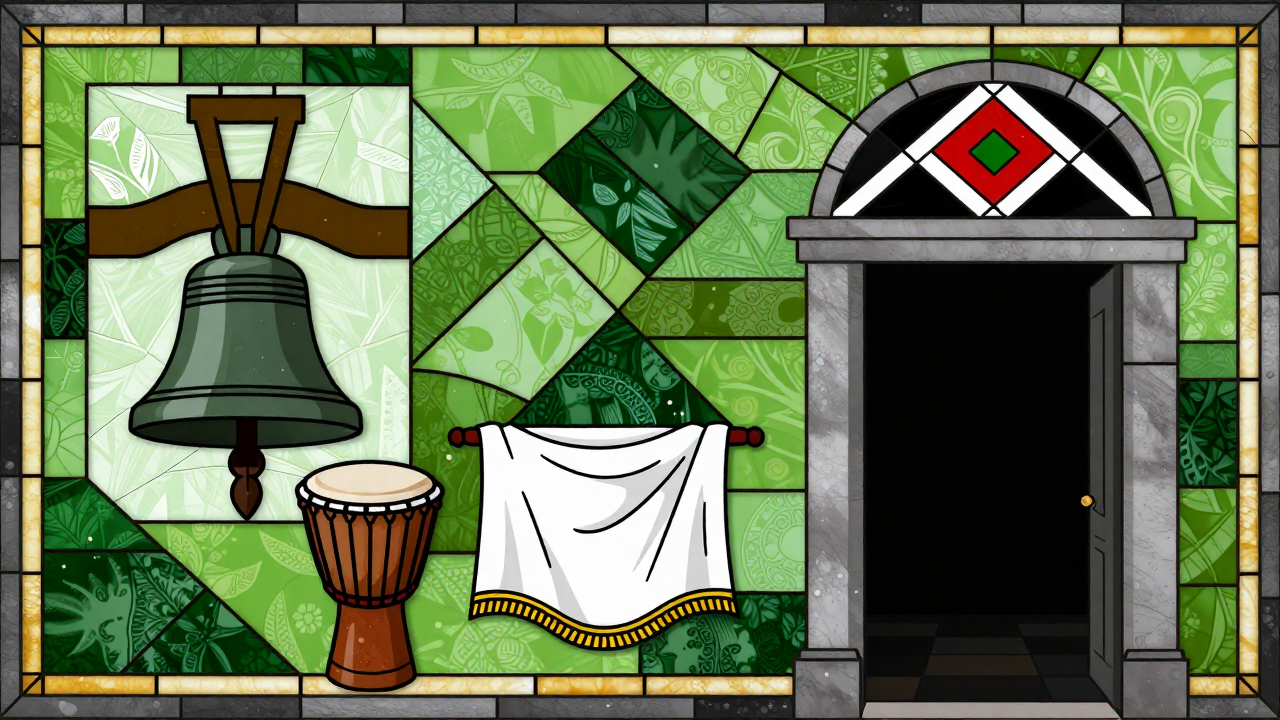
The observance is a heartfelt celebration filled with music, prayer, and communal gatherings, where members of the Spiritual Baptist faith come together to reflect on their journey and the importance of their traditions. Vibrant parades, lively drumming, and joyful singing fill the streets, creating a spirit of unity and celebration. Spiritual Baptist Liberation Day serves not only as a reminder of the struggles faced by the community but also as a testament to their enduring spirit and faith, inviting everyone to join in honoring the legacy of those who fought for their right to worship and express their beliefs freely.
History
Spiritual Baptist Liberation Day, observed on March 30, commemorates the emancipation of the Spiritual Baptist faith in Trinidad and Tobago. This observance is rooted in the historical context of the Spiritual Baptist movement, which emerged in the early 20th century, blending African religious traditions with Christian beliefs. The Spiritual Baptists faced significant oppression and discrimination, particularly from colonial authorities who viewed their practices as a challenge to the established norms of Christianity. This culminated in the 1917 Baptism Act, which prohibited the Spiritual Baptist Church from holding public gatherings and performing baptisms, leading to widespread civil disobedience among practitioners.
The observance of Spiritual Baptist Liberation Day began in 1996, primarily as a response to the need for recognition and respect for the Spiritual Baptist community within Trinidad and Tobago. The day serves not only as a reminder of the struggles faced by Spiritual Baptists but also as a celebration of the resilience of the faith and its followers. Over time, the significance of this day has evolved, transforming it into a moment of cultural pride and unity for Spiritual Baptists across the nation. It has become a platform to promote awareness of the faith's rich traditions, values, and contributions to the broader cultural landscape of Trinidad and Tobago.
Culturally, Spiritual Baptist Liberation Day holds great significance as it highlights the intersection of religion and identity for many individuals within the community. The observance includes various activities such as church services, parades, and cultural performances, showcasing traditional music, dance, and rituals that are integral to the Spiritual Baptist faith. This day not only fosters a sense of belonging among practitioners but also educates the wider public about the historical injustices faced by the Spiritual Baptists and their ongoing journey towards acceptance and understanding within society.
In summary, March 30 is a pivotal date that serves as both a historical reminder and a celebration of the Spiritual Baptist faith. The evolution of Spiritual Baptist Liberation Day reflects the broader narrative of resilience and cultural affirmation among its adherents. As the observance continues to grow, it reinforces the importance of recognizing and honoring the diverse religious practices that contribute to the rich tapestry of Trinidad and Tobago's cultural heritage.