Sleep Apnea Awareness Day
United States, Canada, Australia, United Kingdom
About
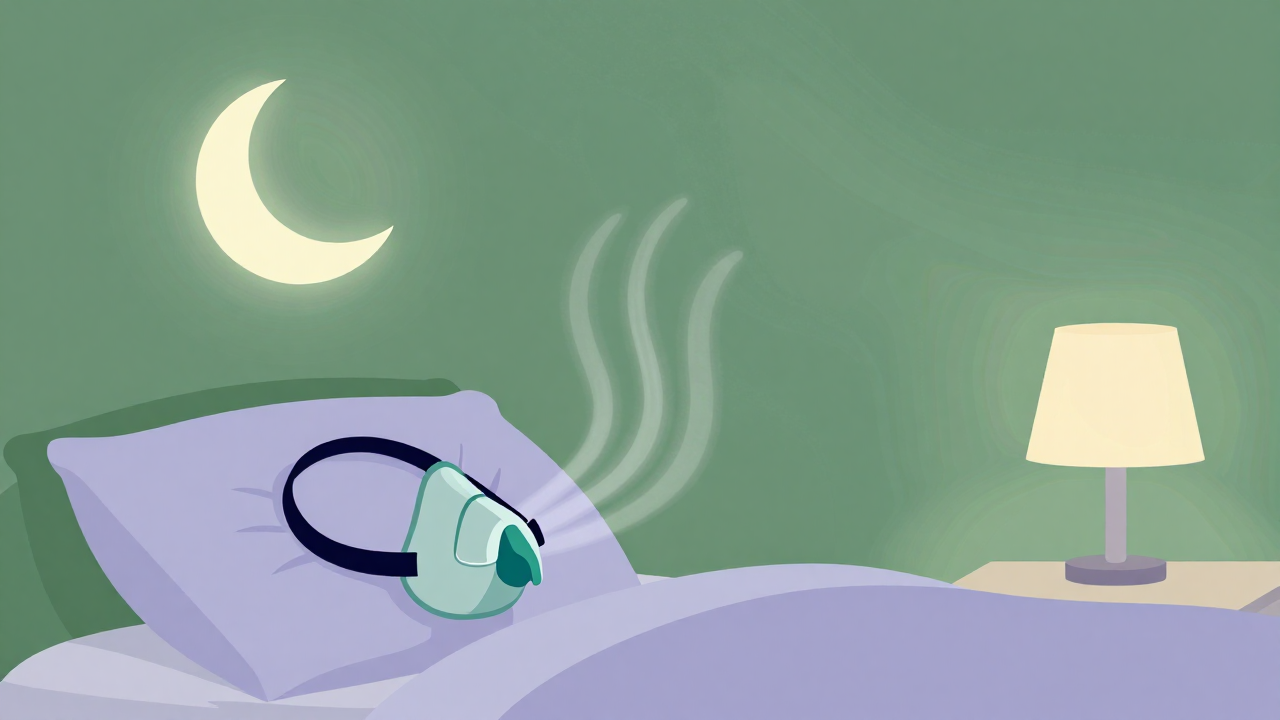
Sleep Apnea Awareness Day, observed on May 5, serves as an important reminder to shine a light on a condition that affects millions of individuals worldwide. Sleep apnea is a serious sleep disorder characterized by repeated interruptions in breathing during sleep, leading to fragmented rest and a host of related health issues. This day encourages open conversations about sleep health, empowering those affected to seek help and raising awareness about the signs and symptoms of this often-overlooked condition.
On this day, communities come together to educate themselves and others about the impact of sleep apnea on daily life, from increased fatigue and mood changes to heightened risks for serious health conditions like cardiovascular disease. Events and activities may include educational seminars, health screenings, and social media campaigns aimed at spreading knowledge about the importance of proper diagnosis and treatment. By participating in Sleep Apnea Awareness Day, people can help foster a greater understanding of sleep health, encouraging those who may be struggling to take the steps necessary for a better night's sleep and improved overall well-being.
History
Sleep Apnea Awareness Day is observed annually on May 5, a day dedicated to raising awareness about sleep apnea, a serious sleep disorder characterized by repeated interruptions in breathing during sleep. The origins of this observance can be traced back to the growing recognition of sleep disorders in the late 20th century. As research began to uncover the prevalence and health implications of sleep apnea, healthcare professionals and advocacy groups sought to highlight the importance of diagnosis and treatment, leading to the establishment of specific days dedicated to this cause.
The evolution of Sleep Apnea Awareness Day reflects advancements in medical understanding and public health initiatives. Initially celebrated within smaller medical communities, the observance gradually gained traction as more individuals began to understand the symptoms and risks associated with sleep apnea, such as cardiovascular problems and cognitive impairments. By the early 2000s, organized campaigns aimed at educating the public about the disorder and promoting screening and treatment options became more prevalent, underscoring the need for awareness at a national level.
Culturally, Sleep Apnea Awareness Day serves as a vital platform for education and advocacy. It emphasizes the significance of sleep health in overall well-being and encourages individuals to seek medical advice if they suspect they may suffer from sleep apnea. Events, workshops, and social media campaigns are often organized on this day, providing resources and support for those affected by the disorder. By fostering a greater understanding of sleep apnea, the observance helps destigmatize the condition, making it easier for individuals to discuss their experiences and seek help.
As Sleep Apnea Awareness Day continues to grow in recognition, it plays an essential role in public health education. The observance not only highlights the challenges faced by those living with sleep apnea but also inspires action within communities to promote better sleep hygiene and awareness about sleep disorders. Observed each year on May 5, this day serves as a reminder of the importance of prioritizing sleep health and the ongoing need for research and resources in the fight against sleep apnea.