Shavuot
Israel, United States, Canada, France, United Kingdom, Australia, Argentina, South Africa
About
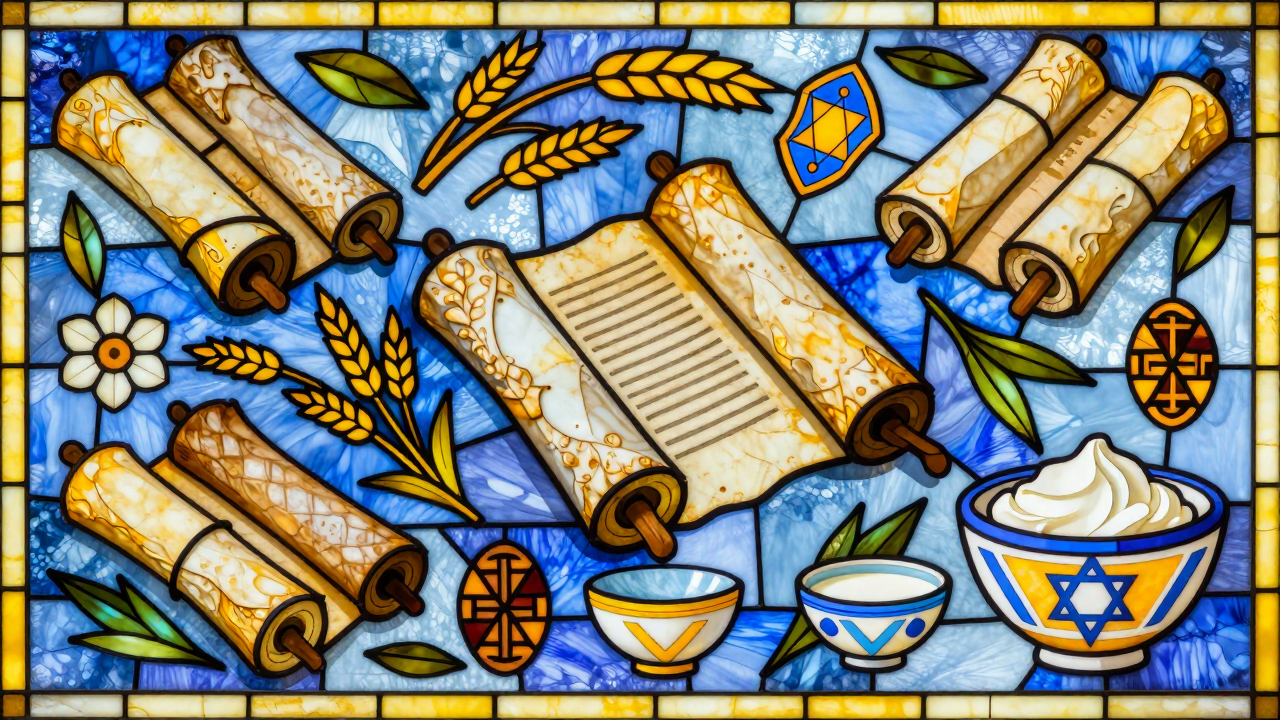
Shavuot, celebrated on June 11, is a vibrant and meaningful holiday in the Jewish calendar, marking the giving of the Torah at Mount Sinai. This significant event symbolizes the covenant between God and the Israelites, representing the moment when they embraced the laws and teachings that would guide their lives. As communities gather to commemorate this pivotal occasion, Shavuot also honors the harvest season, highlighting themes of gratitude and connection to the land.
Traditionally, Shavuot is observed with all-night study sessions known as Tikkun Leil Shavuot, where participants delve into sacred texts and discuss the wisdom of the Torah. Many also partake in festive meals featuring dairy dishes, a delightful nod to the sweetness of the Torah itself. As families and friends come together to celebrate, Shavuot serves as a reminder of the importance of community, learning, and shared values, fostering a sense of unity and purpose as they reflect on their spiritual journey.
History
Shavuot, also known as the Feast of Weeks, is a significant Jewish holiday observed on June 11. Its origins trace back to ancient agricultural practices in Israel, where it marked the end of the grain harvest. Initially, this festival celebrated the first fruits of the season, with farmers bringing offerings to the Temple in Jerusalem. The biblical commandment to observe Shavuot is outlined in the Torah, specifically in the Book of Exodus, where it is designated as a time for rejoicing over the harvest and giving thanks for God’s bounty.
As Jewish religious practices evolved, Shavuot took on a new layer of significance, commemorating the giving of the Torah at Mount Sinai. This transformation is believed to have occurred during the Second Temple period, when the holiday acquired a dual purpose: both as a harvest festival and a celebration of spiritual renewal. By linking the agricultural aspect of Shavuot with the receiving of the Torah, the holiday emphasized the relationship between the Jewish people and their covenant with God, highlighting the importance of both material sustenance and spiritual fulfillment.
Over the centuries, Shavuot has continued to grow in cultural significance within Jewish communities. It is marked by various customs, including the reading of the Book of Ruth, which underscores themes of loyalty and conversion, and the practice of consuming dairy foods, symbolizing the sweetness of the Torah. Additionally, many Jewish communities engage in all-night study sessions known as "Tikkun Leil Shavuot," where participants immerse themselves in the study of Torah and other religious texts. This tradition reinforces the connection between learning and the holiday's themes of enlightenment and divine revelation.
In contemporary times, Shavuot remains a vibrant celebration within the Jewish calendar, observed on June 11 each year. It serves not only as a reminder of the historical events surrounding the giving of the Torah but also as a time for families and communities to come together, share meals, and foster a deeper understanding of their faith. The holiday’s blend of agricultural roots and spiritual significance continues to resonate, ensuring its relevance in the lives of Jewish people around the world.