Setsubun
Japan
About
Setsubun, celebrated on February 3, marks the transition from winter to spring in Japan, a time steeped in tradition and symbolism. This vibrant festival is rooted in the ancient belief that the changing of the seasons can bring both fortune and misfortune. As winter gives way to spring, families across the country engage in a delightful ritual to ward off evil spirits and invite good luck into their homes. The name "Setsubun" translates to "division of seasons," perfectly encapsulating the essence of this lively observance.
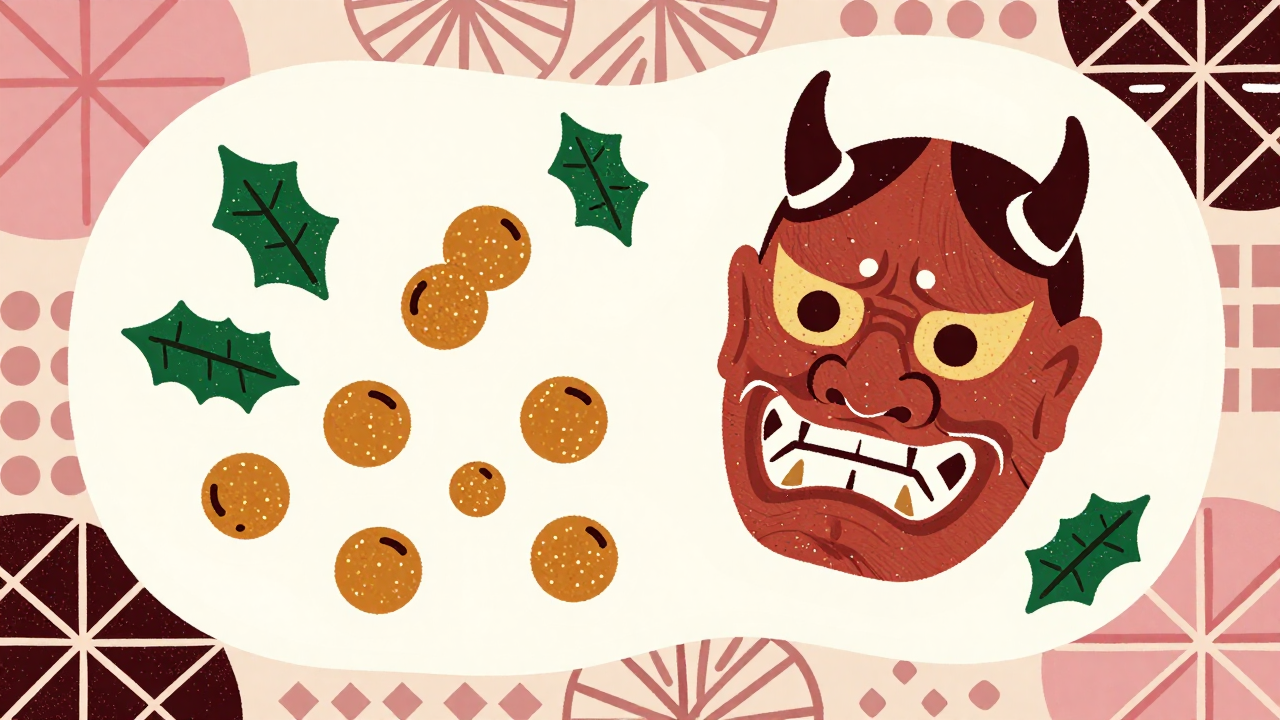
One of the most cherished customs of Setsubun is the practice of "mamemaki," where roasted soybeans are thrown either out the door or at a family member wearing a demon mask, symbolizing the expulsion of negativity and the welcoming of positive energy. Children and adults alike participate with laughter and joy, as the act of tossing beans is believed to bring good fortune for the coming year. As families gather together, they share delicious treats like sushi rolls known as "ehomaki," traditionally eaten while facing the auspicious direction of the year. Setsubun is not just a celebration of spring; it’s a heartwarming reminder of the importance of family, hope, and renewal as the world awakens from its winter slumber.
History
Setsubun, celebrated annually on February 3, is a traditional Japanese festival that marks the transition between seasons, specifically the end of winter and the beginning of spring. The term "setsubun" translates to "seasonal division," and its origins can be traced back to ancient agricultural practices and beliefs. Historically, the festival was linked to the lunar calendar, which indicated important seasonal changes, and it was during these times that communities would engage in rituals to ensure a bountiful harvest and ward off evil spirits.
The observance of Setsubun has evolved significantly from its early roots. Initially, it involved various purification rites, including the throwing of beans to drive away malevolent spirits known as "oni," or demons. This practice, known as "mame-maki," symbolizes the casting out of bad luck and misfortune while inviting good fortune into homes. The significance of beans is rooted in their association with fertility and prosperity, and the act of throwing them, often performed by family members, is accompanied by the chant "Oni wa soto! Fuku wa uchi!" which means "Demons out! Good luck in!" This custom has remained a central feature of Setsubun celebrations.
Over the centuries, Setsubun has incorporated various cultural elements and local customs, resulting in diverse regional practices across Japan. In some areas, people also partake in eating "ehomaki," a special sushi roll, as part of the festivities. The direction in which the roll is eaten is believed to bring good fortune, and the practice reflects how Setsubun has adapted to modern culinary trends while maintaining its core festive spirit. Additionally, temples and shrines often hold special ceremonies and events, drawing large crowds to participate in the celebrations.
Culturally, Setsubun represents a time of renewal and hope, resonating deeply with the themes of change and the cyclical nature of life. As a bridge between winter and spring, it serves as a reminder of the importance of community, family, and the collective effort to invite prosperity and happiness into one's life. The festival highlights the rich tapestry of Japanese traditions, showcasing how historical practices can transform while still retaining their essential meanings. Thus, on February 3, Setsubun continues to be a vibrant and cherished occasion, reflecting both the cultural heritage and the enduring spirit of the Japanese people.