Savitri Amavasya
India, Nepal
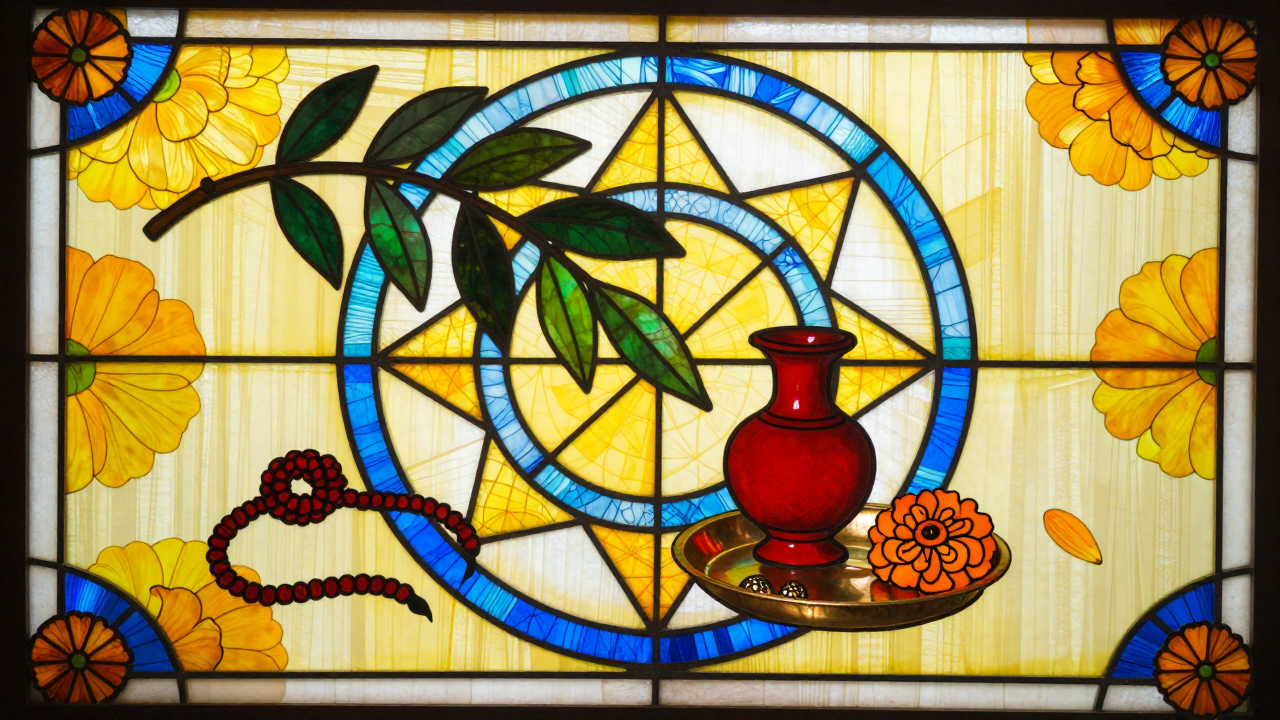
About
Savitri Amavasya, observed on June 4, is a heartfelt occasion celebrated predominantly in India, honoring the legendary tale of Savitri and Satyavan. This day is steeped in tradition and cultural significance, symbolizing the unwavering devotion and love of Savitri, who is revered for her courage and determination. According to Hindu mythology, Savitri's loyalty and strength were so profound that she managed to bring her husband, Satyavan, back from the clutches of death, showcasing the power of love and commitment.
On this day, married women partake in rituals that express their devotion to their husbands and pray for their long life and well-being. The observance often includes fasting, visiting sacred sites, and performing special prayers. Families come together, sharing stories of Savitri’s devotion and reflecting on the values of love, fidelity, and resilience that her story embodies. Savitri Amavasya serves not only as a reminder of the rich tapestry of Indian mythology but also as an opportunity for families to strengthen their bonds and celebrate the profound connections that exist in their lives, making this day a truly special observance.
History
Savitri Amavasya, observed on June 4, is a significant day in Hindu tradition, particularly for married women. The observance is rooted in the ancient Indian epic, the Mahabharata, which tells the poignant story of Savitri, a devoted wife who exemplifies the virtues of love, loyalty, and determination. According to the legend, Savitri was married to Satyavan, a prince destined to die within a year of their marriage. Upon learning of his fate, Savitri undertook a rigorous fast on Amavasya, the new moon day, pleading with Yama, the god of death, to spare her husband's life. Impressed by her devotion and tenacity, Yama granted her a boon that allowed her to bring Satyavan back to life. This tale highlights the importance of marital fidelity and the power of a devoted wife's love.
Over the centuries, the observance of Savitri Amavasya has evolved into a ritual where married women perform specific rites to honor Savitri and seek the well-being of their husbands. Traditionally, women fast from sunrise to sunset, abstaining from food and water, and engage in prayers and rituals that include lighting lamps, offering water to their ancestors, and reciting sacred texts. The day serves as a reminder of the strength and resilience of women, as well as a celebration of the marital bond. It has become a time for families to come together and honor both the living and the memory of deceased relatives, reinforcing the interconnectedness of life and death.
Culturally, Savitri Amavasya holds great significance in various parts of India, where it is celebrated with regional variations. In some communities, the observance is marked by communal gatherings and storytelling sessions that recount the tale of Savitri and Satyavan. The day is also seen as an auspicious time for performing ancestral rites, known as Shradh, as it is believed that the souls of departed loved ones are particularly receptive to offerings made during this time. Consequently, this observance fosters a sense of continuity and respect for familial ties, bridging past and present.
As society has progressed, the observance of Savitri Amavasya continues to adapt to contemporary contexts while maintaining its core values. Many women today see it as an opportunity to reflect on their roles and relationships, embracing the spirit of Savitri as a symbol of empowerment. While the rituals may vary from one household to another, the essence of devotion, love, and remembrance remains at the heart of this observance, making Savitri Amavasya a revered occasion in the Hindu calendar every June 4.