Save The Rhino Day
South Africa, Kenya, India, Namibia, Zimbabwe, United States, United Kingdom
About
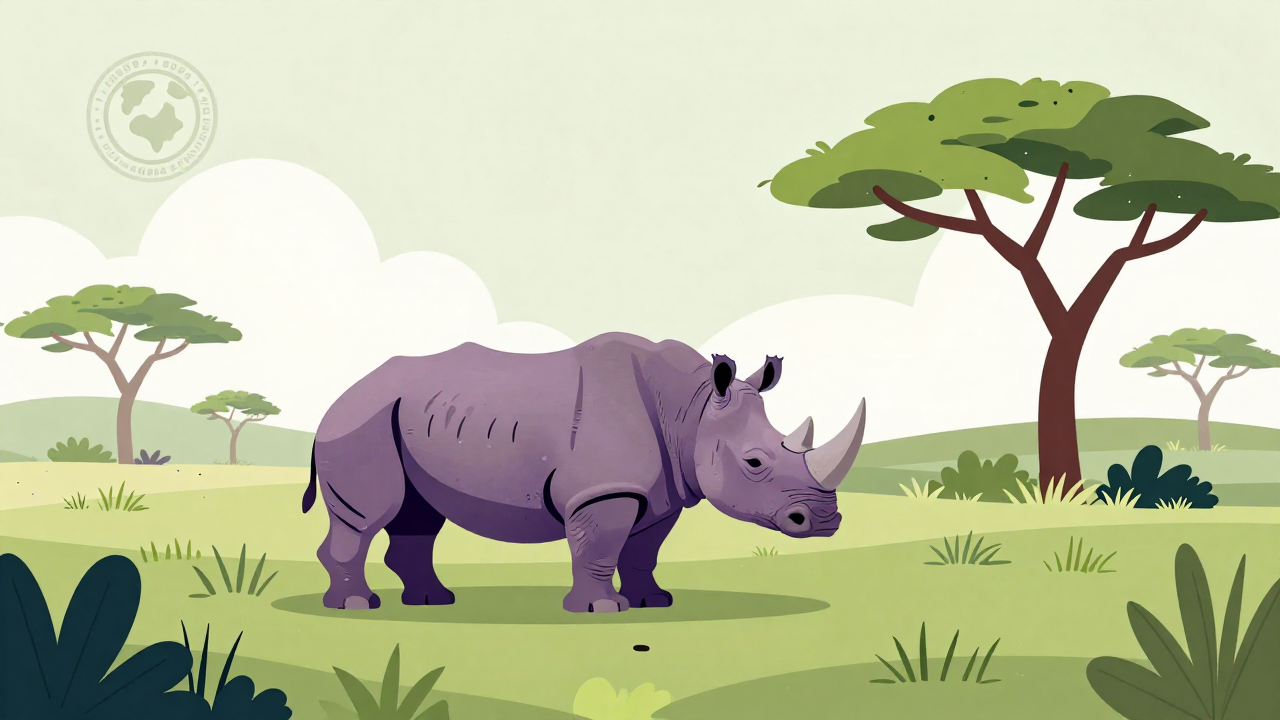
Save The Rhino Day, celebrated on May 1, is a heartfelt observance that brings attention to the plight of one of the world's most magnificent yet endangered species—the rhinoceros. This day serves as a reminder of the critical need to protect these incredible creatures from poaching and habitat loss, which have pushed them to the brink of extinction. With their iconic horns often sought after for traditional medicine and ornamental purposes, rhinos face numerous threats that require urgent action and awareness.
On this special day, conservationists, wildlife enthusiasts, and communities around the globe come together to promote education and advocacy for rhino protection. Activities may include fundraising events, educational workshops, and social media campaigns aimed at raising awareness about the importance of rhinos in our ecosystems. By participating in Save The Rhino Day, individuals can play a vital role in supporting conservation efforts and ensuring that future generations will have the opportunity to appreciate these majestic animals in their natural habitats. Join in the celebration on May 1 and lend your voice to a cause that truly makes a difference!
History
Save The Rhino Day is observed annually on May 1, a day dedicated to raising awareness and support for the preservation of rhinoceroses, which are critically endangered due to poaching and habitat loss. The observance has its roots in the broader conservation movement that gained momentum in the late 20th century. The plight of rhinos became particularly prominent in the 1970s and 1980s when poaching for their horns surged, driven by demand in traditional medicine and as symbols of status. This led to significant declines in rhino populations, prompting conservationists to advocate for protective measures.
The official recognition of Save The Rhino Day can be traced back to various initiatives and organizations focused on wildlife conservation. Organizations like the International Rhino Foundation and Save the Rhino International have played pivotal roles in organizing campaigns, fundraising events, and educational programs designed to inform the public about the challenges facing rhinos. Over time, the day has evolved from a simple awareness campaign into a global movement, engaging communities, schools, and individuals in efforts to protect these magnificent creatures. The observance encourages people to participate in various activities, including donating to conservation efforts, participating in educational workshops, and spreading the word through social media.
Culturally, Save The Rhino Day serves as a reminder of the interconnectedness of human activities and wildlife conservation. It highlights the importance of biodiversity and ecosystems, emphasizing that the survival of rhinos is tied to the health of their habitats, which ultimately affects human populations as well. The observance fosters a sense of responsibility and stewardship toward the environment, encouraging individuals to take action in their local communities to support wildlife protection initiatives.
As the awareness of the challenges facing rhinos continues to grow, Save The Rhino Day has also become an opportunity to celebrate the successes in conservation. Many regions have implemented effective anti-poaching measures and habitat restoration projects, showcasing the positive impact of concerted conservation efforts. On May 1, activists, wildlife enthusiasts, and concerned citizens join together to advocate for rhinos, ensuring that future generations can experience these incredible animals in the wild. The day not only honors the struggle for rhino conservation but also inspires collective action towards a sustainable future for all wildlife.