Samoa Independence Day
Samoa
About
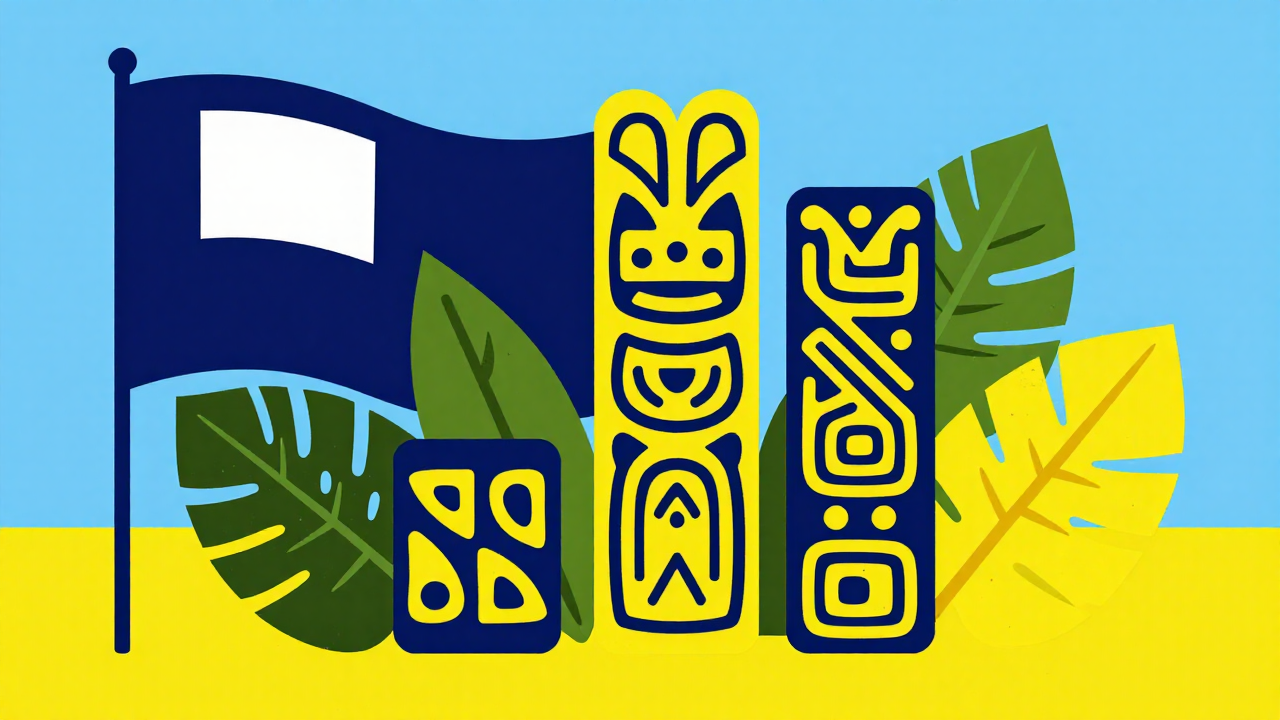
Samoa Independence Day, celebrated on June 1, is a momentous occasion that marks the day in 1962 when Samoa became the first Pacific island nation to gain independence from colonial rule. This day is a heartfelt celebration of national pride and cultural heritage for the Samoan people. It's a time when families and communities come together to honor their history, reflect on their journey to sovereignty, and embrace the vibrant traditions that make Samoa unique.
The festivities typically include colorful parades, traditional music and dance performances, and feasting on local delicacies. It’s a day filled with joy, as Samoans express their gratitude for their freedom and the sacrifices made by those who fought for their independence. Communities gather to share stories, engage in cultural activities, and enjoy the beauty of their island home. Samoa Independence Day serves not only as a reminder of the nation’s rich history but also as an opportunity to inspire future generations to cherish and uphold their cultural identity.
History
Samoa Independence Day is celebrated annually on June 1, marking the day in 1962 when Samoa became the first Pacific island nation to gain independence from colonial rule. This significant event followed decades of political and cultural changes on the islands, which were originally inhabited by Polynesian peoples. In the late 19th century, Samoa became a focal point for international interests, leading to a division between the United States, Germany, and Britain. By the early 20th century, the islands were governed under German control until World War I, when New Zealand took over administration under a League of Nations mandate.
The push for independence in Samoa gained momentum during the 1940s and 1950s, fueled by a growing sense of national identity and a desire for self-governance. The formation of the Mau movement, a non-violent resistance group comprised of various Samoan leaders and citizens, played a crucial role in advocating for independence. Their efforts culminated in the constitutional convention held in 1961, leading to the establishment of a parliamentary system and the formal declaration of independence on June 1, 1962. This day marked not only the end of colonial rule but also the beginning of a new era for the Samoan people.
Over the years, Samoa Independence Day has evolved into a celebration of national pride and cultural heritage. Festivities typically include parades, traditional music and dance, and community events that showcase Samoan culture. Schools and local organizations participate in educational programs that reflect on the importance of independence and the sacrifices made by previous generations. The day also serves as a reminder of the ongoing efforts towards self-determination and governance, fostering a sense of unity among Samoans both at home and in the diaspora.
Culturally, Samoa Independence Day holds profound significance as it symbolizes the resilience of the Samoan people and their ability to reclaim their identity on the global stage. It is a time for reflection on the nation’s journey, honoring those who fought for freedom while also looking forward to the future. The observance of this day reinforces the values of community, heritage, and pride, making June 1 a cornerstone of Samoan national identity and a cherished occasion in the hearts of its people.