Sami National Day
Norway, Sweden, Finland, Russia
About
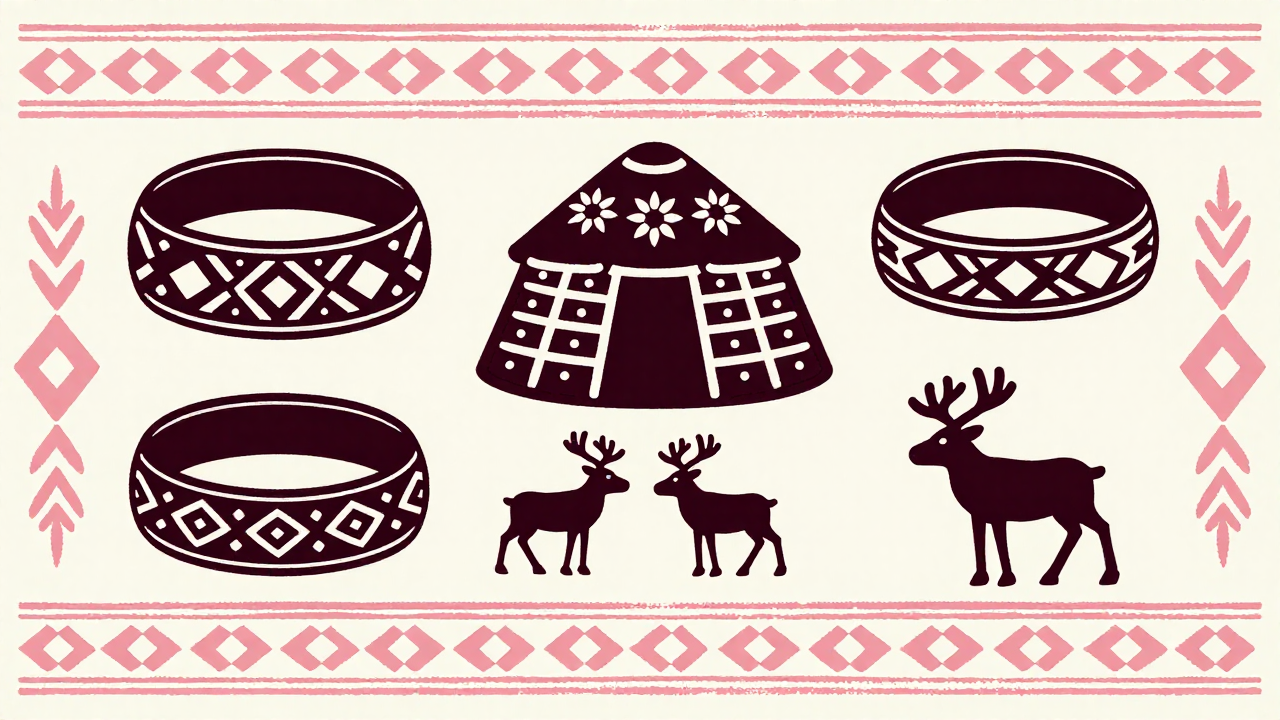
Sami National Day, celebrated on February 6, is a vibrant and meaningful observance that honors the rich cultural heritage of the Sami people, an indigenous group from the northern regions of Norway, Sweden, Finland, and Russia. This day marks the anniversary of the first Sami congress held in 1917, where representatives gathered to discuss their rights and the preservation of their unique cultural identity. It is a time for the Sami community to come together, celebrate their traditions, and raise awareness about the challenges they continue to face.
On Sami National Day, festivities often include traditional music, dance, and art, showcasing the Sami's deep connection to nature and their ancestral lands. Many participate in events that highlight important aspects of Sami culture, such as joik (a form of singing), crafts, and storytelling. Schools and organizations may host educational programs to teach others about Sami history and contemporary issues. As communities unite in celebration, this day serves as a powerful reminder of resilience and pride, encouraging everyone to honor and respect the diverse cultures that enrich our world.
History
Sami National Day, observed annually on February 6, commemorates the indigenous Sami people's culture, heritage, and rights. The origins of this day trace back to the first Sami conference held in 1917 in Trondheim, Norway, which marked a significant moment in the Sami struggle for recognition and self-determination. This gathering established a platform for the Sami to discuss their issues, unite their voices, and advocate for their rights across the Nordic countries. The date was officially designated as Sami National Day in 1992 during the second Sami conference held in Åre, Sweden, serving as a symbolic occasion to celebrate Sami identity and heritage.
Over the years, Sami National Day has evolved into a vibrant celebration of Sami culture, encompassing various activities, including traditional music, dance, arts and crafts, and culinary experiences. In modern times, events are held not only in Sami communities but also in cities across Norway, Sweden, Finland, and Russia, reflecting a growing awareness and appreciation of Sami culture. The day serves as a reminder of the ongoing challenges faced by the Sami people, including issues related to land rights, cultural preservation, and political representation, highlighting their resilience and commitment to maintaining their traditions.
Culturally, Sami National Day is a vital expression of identity for Sami people, emphasizing their unique languages, folklore, and traditional livelihoods such as reindeer herding and fishing. The observance also fosters a sense of solidarity among the Sami, as well as raising awareness among non-Sami populations about their history and cultural contributions. It serves as an opportunity for education and outreach, promoting understanding and respect for indigenous rights and cultures. As the day continues to inspire celebrations and discussions, it plays a crucial role in advocating for the recognition of the Sami people's rights and preserving their rich cultural heritage for future generations.