Saba Saba Day
Tanzania, Kenya
About
Saba Saba Day, observed on July 7, is an important public holiday in Tanzania that celebrates the country’s history, culture, and economic progress. The name “Saba Saba” means “seven seven” in Swahili, reflecting the date. It also commemorates the founding of the Tanganyika African National Union (TANU) in 1954, a movement that played a key role in the nation’s journey toward independence.
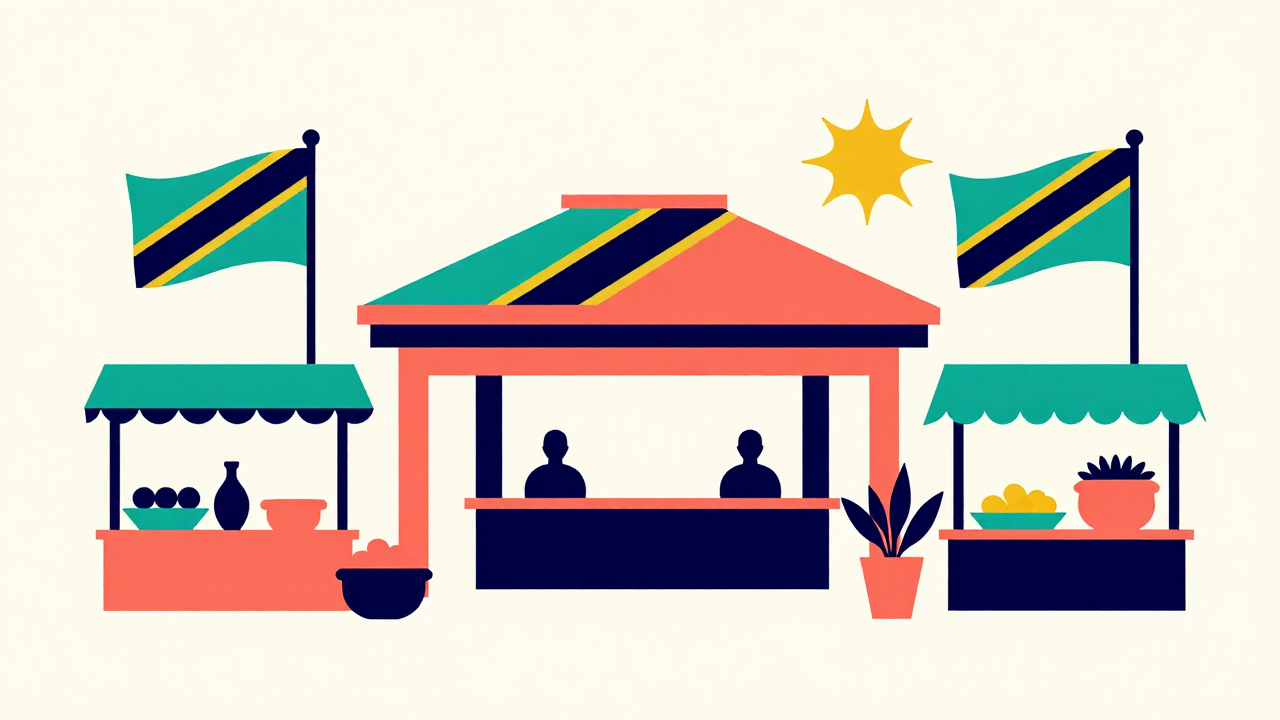
The day is closely associated with the Saba Saba International Trade Fair in Dar es Salaam, where businesses, farmers, artisans, and innovators showcase their products and ideas. Through exhibitions, cultural performances, and community activities, Saba Saba Day offers an opportunity to honor Tanzania’s heritage while celebrating entrepreneurship, cooperation, and hopes for the future.
History
Saba Saba Day is observed in Tanzania on July 7. The name comes from the Swahili phrase *saba saba*, meaning “seven seven,” a reference to the seventh day of the seventh month. The observance is closely associated with the founding of the Tanganyika African National Union (TANU) on July 7, 1954. Under the leadership of Julius Nyerere, TANU became a central force in the movement for self-government and independence from British colonial rule. For this reason, Saba Saba Day carries an important political and historical meaning in Tanzania’s national story.
The day also developed a strong economic and commercial identity. In Dar es Salaam, July 7 is associated with the annual Dar es Salaam International Trade Fair, commonly known as the Saba Saba trade fair. The fair brings together Tanzanian businesses, manufacturers, farmers, artisans, investors, and international exhibitors. Its emphasis on locally made goods and commercial exchange reflects Tanzania’s efforts to promote industrial development, entrepreneurship, and regional trade.
Over time, Saba Saba Day therefore evolved from an anniversary rooted primarily in nationalist politics into a broader public observance combining historical remembrance with economic promotion. Government institutions, businesses, and civic organizations use the occasion to highlight national development, investment opportunities, technological progress, and Tanzanian products. Trade-fair activities often include exhibitions, product demonstrations, cultural presentations, and opportunities for commercial networking.
Culturally, Saba Saba Day connects the country’s independence-era heritage with contemporary national aspirations. It recalls the organized political activity that helped shape Tanzania’s path toward independence while also celebrating the contribution of commerce, enterprise, and innovation to the country’s future. Observed on July 7, the day remains both a remembrance of Tanzania’s nationalist foundations and a prominent occasion for displaying its economic and cultural life.